
Stock-Supported Solid Fabrics for Fashion Brands
Standard running fabrics are generally available, subject to verification and confirmation of the article, colour, metres and dispatch date.
From the Lombardy Textile District, ARNIA supports fashion brands with Made in Italy base cloths and ready-to-develop fabrics for sampling, capsule collections, colour trials, print trials and faster sourcing routes — subject to availability and technical validation.
Discover Our Running Solid Fabrics Stock supported with Color Palette
Choose from selected running fabrics and colour cards for prototyping, sampling and small-batch production. We confirm availability and dispatch timing for your chosen article, colour and quantity.

What Does “Fabrics Stock Supported” Mean?
When we say “fabrics stock supported”, we mean a selection of high-quality textiles that are supported by running qualities and stock programmes, with current lot availability confirmed before order. This allows your team to:
-
Develop collections with speed and flexibility
-
Match ready-made color palettes with seasonal needs
-
Plan against confirmed stock quantities and dispatch timing
In short, it’s our way to support fashion brands through agile, reliable sourcing
Why Choose Our Running Solid Fabrics Stock Service?
Check Documentation for the Selected Stock Lot
For certified orders, ARNIA checks availability separately, including whether eligible greige fabric is available. Where feasible, dyeing or printing can be arranged on request. A shipment-specific Transaction Certificate (TC) is issued where the applicable certification scheme provides for one and the order meets its chain-of-custody requirements.
See our textile certification and traceability requirements.
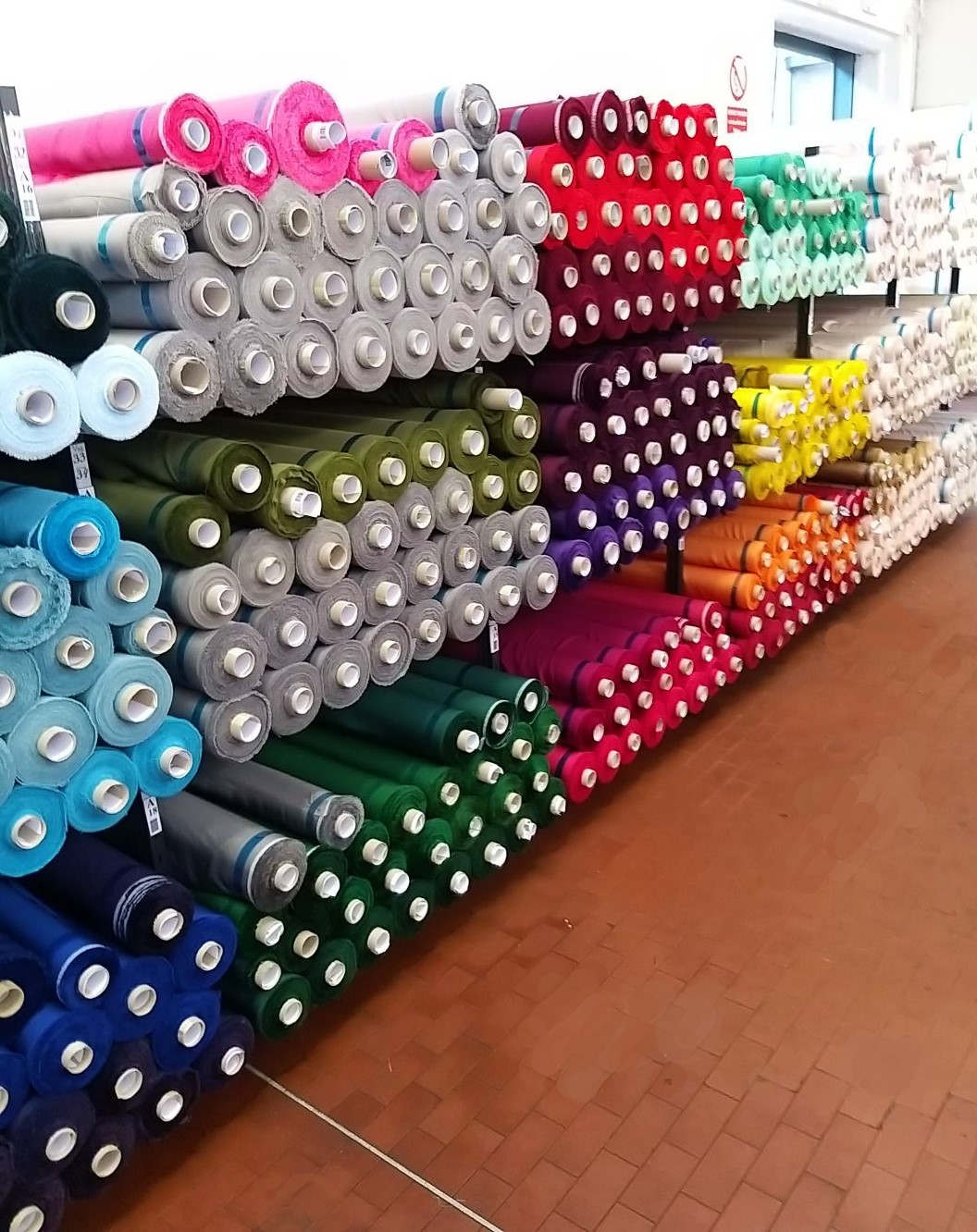
Extensive Color Palette for All Seasons
We offer a curated color palette aligned with current fashion trends and market demands. From basics to bold tones, our solid fabrics are ready to elevate your creative process.
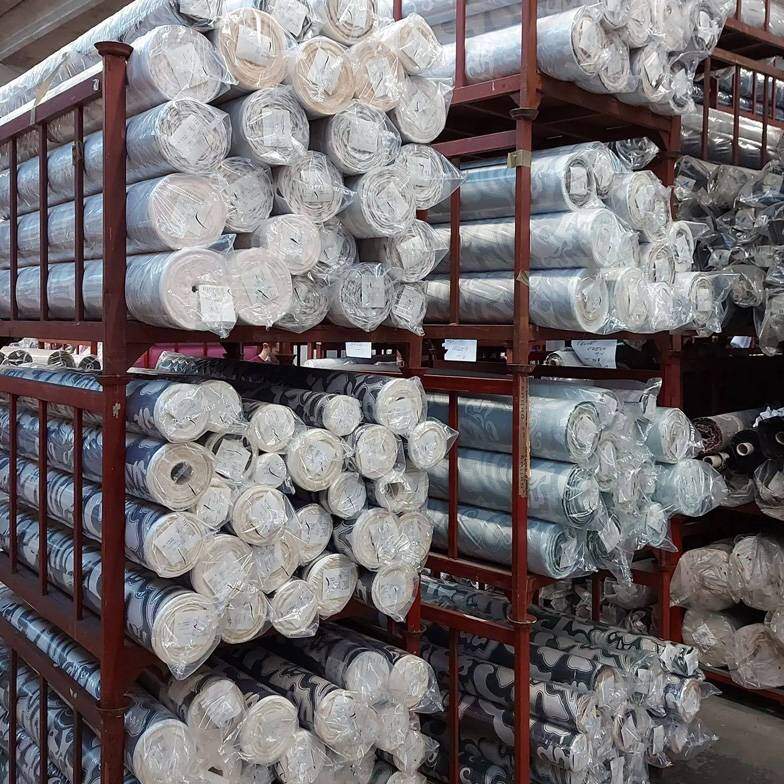
Dispatch from Our Italian Warehouse
Ask us to confirm the dispatch date for the available lot before planning your sampling or production schedule.
Who Benefits from Stock Supported Solid Fabrics?
This service is ideal for:
-
Emerging fashion brands
-
Design studios
-
Fast-paced production teams
-
Sustainable fashion labels
With our fabrics stock supported model, you can plan against confirmed stock and request documentation for the selected lot.
Check Stock and Request Swatches
Share the article reference, colour, estimated metres, intended use and required date. We can check available lots, dispatch timing and any documentation you need.
Evidence for Your Stock-Lot Decision
Confirm the article reference, composition, available metres, colour lot and dispatch timing for the stock you intend to buy. Certification claims require evidence for that specific lot.
Use ARNIA's certificate scope and official verification sources when a certified route is part of your brief. For supplier qualification, review the dated financial evidence.
FAQ
What does “stock supported” mean?
Standard running fabrics are generally available, subject to verification and confirmation of the article, colour, metres and dispatch date.
Which colors are always available?
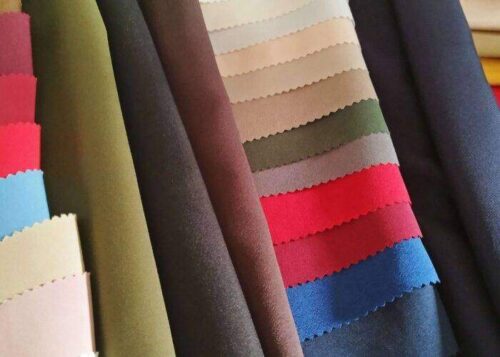
Core colors like black, white, navy, and the color of the article COLOR CARD.
On request we can dye your own color - MOQ mt. 500 or mt. 100/120 +30%surcharge / MT. 50/60 +50%surcharge
Can I request custom colors in stock-supported fabrics?
Yes, with an MOQ and lead time for dyeing.
We can dye your own color - MOQ mt. 500 or mt. 100/120 +30%surcharge / MT. 50/60 +50%surcharge
On request before dye your own color we can provide a LAB DIP for color approval (it takes about 2 weeks)
What is the lead time for stock items?
We confirm dispatch timing for the selected lot after checking availability and order requirements.
Are stock-supported fabrics sustainable?
For certified orders, ARNIA checks availability separately, including whether eligible greige fabric is available. Where feasible, dyeing or printing can be arranged on request. A shipment-specific Transaction Certificate (TC) is issued where the applicable certification scheme provides for one and the order meets its chain-of-custody requirements.
Plain COTTON Base
SOLID
with full color palette
color card
STOCK SERVICE
Plain VISCOSE Base
SOLID
with full color palette
color card
STOCK SERVICE
Plain POLYESTER Base
SOLID
with full color palette
color card
STOCK SERVICE
Plain SILK & BLEND
Base Cloths
STOCK SUPPORTED
for Solid & Printed
CUSTOMIZED developments
Plain SILK Base
SOLID
with full color palette
color card
STOCK SERVICE
Plain LACES & TULLE Base
SOLID
with full color palette
color card
STOCK SERVICE
Plain KNIT Base
SOLID
with full color palette
color card
STOCK SERVICE
Plain VELVET Base
SOLID
with full color palette
color card
STOCK SERVICE
How to specify stock-supported fabrics for a fashion project
Stock-supported fabrics are intended to make sampling and project starts more efficient by providing running qualities or bases that can be checked quickly for current availability. They are not an e-commerce stock guarantee: each article, colour and quantity is confirmed before supply.
Start from the garment requirement
Use the stock-supported range to identify a technically suitable starting point for sampling, capsule developments or repeatable production. Describe the garment category, required hand, structure, drape, colour and any later process such as printing, dyeing or embroidery.
Describe the product category, silhouette and the role the material must perform. Explain whether the garment needs fluidity, controlled structure, transparency, stretch, volume, surface relief or a specific visual effect. The construction and finishing route should be assessed together with the intended use rather than inferred from a generic category name.
Confirm the exact article and reference
Record the article name or code, the preferred colour and the photograph or card used for selection. If several qualities are being compared, keep each reference separate and note what you prefer in each one. Physical swatches should be used to confirm hand, drape, colour, transparency and surface before approval.
Colours and textures seen on screen are useful for shortlisting but are not production standards. Review physical references under consistent lighting and together with the linings, trims or secondary fabrics that will appear in the garment.
Availability must always be checked
Regular fabrics are generally available subject to verification and confirmation. Certified fabrics require a separate availability check: a greige base may be available while the certified finished colour or printed article still requires production and the specific Transaction Certificate or supporting documentation applicable to the order.
For certified programs, availability of a greige or base quality does not automatically mean that a certified finished colour is immediately available. The applicable dyeing, printing, finishing and documentation route must be confirmed for the selected article and order.
Separate sampling from production planning
State the metres required for sample development and the estimated metres required for the first production, divided by colour where relevant. Sample needs, pilot quantities and production quantities can follow different commercial conditions. Giving both figures allows ARNIA to assess stock, replenishment, standard production or custom development more accurately.
Also indicate the target sample-review date, the intended production window and the delivery destination. Timing is confirmed against the actual article, finish, quantity and documentation required.
Evaluate technical behaviour before approval
Review the actual article specification, including composition, weight, usable width, care implications and the behaviour required by the garment. Stock availability should never replace physical sample approval or technical validation.
If the fabric will be used close to the skin, in a sensitive product category or under a brand-specific RSL/MRSL, identify those requirements at enquiry stage so the relevant declarations or tests can be assessed for the selected article.
Use custom development only where it adds value
A stock-supported base can sometimes be the most efficient route to a custom colour, print or finish because the underlying quality is already defined. The feasibility, minimums and schedule of the customized step are confirmed separately from the base availability.
When requesting a modification, state what must remain unchanged and what may change. Keep approved swatches, strike-offs, lab references or sample panels as the common standard for later production decisions.
Confirm certification and traceability requirements early
If the brief includes GOTS, GRS or FSC requirements, ask ARNIA to confirm the applicable article, production route, technical minimums and supporting documentation. A certified upstream material does not automatically make the final garment a certified product; the relevant Chain of Custody pathway and the brand’s certification status must be considered before a final-product claim is made.
For traceability-sensitive orders, define the documentation required by the brand or sustainability team at order stage. ARNIA can confirm the available records for the selected SKU or lot.
Prepare a buyer-ready request
- Article or page reference and preferred colour or variant.
- Garment category, silhouette and intended use.
- Sample metres and estimated production metres by colour.
- Required finish, custom colour, print or other development.
- Testing, certification or traceability requirements.
- Target approval date, production window and delivery destination.
Prices shown on historical cards or archived photographs are indicative references only. Request a current quotation for the selected article, colour and quantity together with confirmation of availability and applicable conditions.
ARNIA works as a B2B textile development and production partner in the Lombardy district, connecting material selection with technical validation, quality control, documentation and a controlled supply-chain route.
Send your fabric project brief to ARNIA to confirm the current options and next step.
Before ordering stock-supported fabrics: a practical buyer checklist
A strong fabric enquiry should allow the buyer, designer and supplier to make the same decision from the same information. Before requesting a quotation, define not only the article you like but also the garment, quantity, colour, approval method and commercial objective. This reduces unnecessary sampling and makes it easier to compare existing stock with a new production or custom development.
1. Separate the visual choice from the technical approval
The visual shortlist answers one question: does the material support the collection concept? Technical approval answers another: can the selected article perform correctly in the intended garment and be repeated under the required production conditions? Keep these decisions separate. A fabric may be visually attractive but unsuitable for the required drape, seam construction, care route or end use.
Use stock-supported qualities to create a practical shortlist based on garment function rather than only colour. Compare the base that best matches the required drape, structure, hand and later process.
2. Define what “available” means for your project
Ask whether the exact article and colour are physically available now, whether only the base quality is available, or whether a new dyeing, printing or finishing step is required. These situations have different implications for timing, minimum quantities and documentation. A stock-supported range is designed to create a practical starting point, but the selected colour and quantity still need confirmation.
If the project requires certified materials, distinguish between availability of the base fabric and availability of the finished certified article. A greige or running base can exist while the required certified colour or printed version still needs a dedicated production route. Ask which documents can apply to the proposed order before making any certification or sustainability claim.
3. Build the quantity request by colour and stage
Do not combine sample metres and production metres into one figure. State the amount needed for swatches, prototypes or sales samples separately from the expected first production. Then divide the production requirement by colour. This helps evaluate stock, replenishment and custom production more accurately and avoids treating a small development request as if it were already a confirmed bulk order.
For each colour, identify whether the quantity is a current estimate or a committed requirement. If a brand is still testing demand, state that clearly. ARNIA can then assess whether an existing base, a stock-supported colour or a more scalable production route is appropriate.
4. Approve colour with a physical standard
Screen colours, photographs and digital moodboards are useful creative references but are not production standards. Use a physical swatch, lab reference or other agreed sample for approval. Record the article, colour reference and date of approval so the purchasing and production teams can refer to the same standard later.
Existing colours should be checked physically and confirmed for current stock. If a new colour is required, the project moves from immediate stock selection to a development or production route with its own conditions.
5. Check garment construction before final fabric approval
A material should be reviewed with the actual construction points that matter in the garment: seams, hems, folds, gathers, linings, pockets, closures, reinforcement and any area subject to stress. If the garment contains unusual construction, provide a sketch or technical drawing. This is especially important when a fabric is fluid, open, directional, textured or sensitive to pressing.
Where possible, use the intended production sewing method during sampling. A fabric that looks suitable as a flat swatch can behave differently once stitched, folded or pressed. Record any construction limitation found during the prototype stage and include it in the final approval.
6. Define care and testing requirements early
State the intended care route and destination market before production is approved. If the garment must meet a brand-specific RSL/MRSL, skin-contact requirement or other test protocol, identify the exact need in the brief. Testing should be linked to the selected article and project rather than assumed from the generic material family.
Where a test is optional rather than mandatory, decide whether it is needed before sampling, before bulk production or as part of final compliance documentation. This avoids late testing requests that can delay shipment or force a material change after the garment has already been developed.
7. Decide when custom development is justified
Custom colour, print, finish or other development should solve a real design or commercial requirement. Before requesting it, compare the existing range with the project objective. If an existing article is already suitable, using it can reduce development time and simplify repeat orders. If customization is important to the brand identity, define exactly what should change and why.
A running base can often simplify a custom project because the underlying quality is already known. However, customization still needs its own feasibility, minimums and approval steps; stock status of the base does not automatically make the customized version immediately available.
8. Keep the approval trail simple and traceable
Use one clear reference for each approved stage: article, colour, sample, development version and final production approval. Avoid multiple informal approvals through screenshots or chat messages that are difficult to reconcile later. A short approval record protects both the buyer and the production team and reduces the risk of misunderstandings.
For certified or traceability-sensitive projects, keep the commercial approval and the documentation request connected to the same article and order. This makes it easier to verify which certificate, declaration or traceability dataset applies to the material actually purchased.
9. Provide the information needed for a current quotation
- Exact article or page reference.
- Colour or development reference.
- Sample metres required.
- Estimated production metres per colour.
- Garment category and intended use.
- Required finish, print or customization.
- Certification, testing or documentation requirements.
- Target date for sample approval and production availability.
- Delivery destination.
A quotation is meaningful only when it refers to the current article, quantity and production route. Historical prices in collection cards or photographs should therefore be treated as orientation only. Ask for a current commercial confirmation before using the cost in your collection budget.
10. Use the fabric decision to protect repeatability
Premium sourcing is not only about finding an attractive material once. The stronger decision is one that can be repeated, documented and communicated internally. When evaluating two similar articles, consider which one provides the best balance between design, technical suitability, availability, documentation and future continuity.
ARNIA’s role is to connect material selection with development, quality control and a controlled local supply-chain process. A complete buyer brief gives the project team a better basis for confirming what is immediately available, what requires development and what needs a specific certified or documented route.
Share the complete fabric brief when requesting a shortlist or quotation so the proposed route can be evaluated on the actual project requirements.
EXPLORE ARNIA TEXTILE - MADEINITALY Range of PRODUCTS
TEXTILE COLLECTIONS
Fabrics for Spring/Summer and Autumn/Winter
Our Textile Collections represent lines of contemporary fashion products designed following new market trends.
CUSTOMIZED TEXTILE
SUSTAINABLE ESG
Custom textile development with article-specific material and documentation options. GOTS, GRS and FSC® pathways are assessed separately from branded-fibre and other responsible sourcing options. Eligibility and permitted claims are confirmed for the selected order.
TEXTILE SOURCING
Fabrics Tailored to Your Specific directions or reproduction of archive/vintage samples.
FABRIC STOCK SUPPORTED
Selected running fabrics and bases for print development may be available from stock. Ask us to confirm the article, colour, metres and dispatch date.
CUT & SEW SERVICES
We offer high-quality, sustainable production for emerging fashion brands. Exact services, from prototyping to final delivery, we ensure efficiency, precision, and eco-conscious practices. Easy cummunications - quick replies.

