
Welcome to ARNIA Textile Fashion - MADEINITALY
MADEINITALY Textile Ambassador for International Fashion Brands
ARNIA Textile Fashion is:
a textile converter in Lombardy (Milan–Como–Varese), supporting fashion brands with Made in Italy development and production.
ARNIA Textile Fashion is the trading name of ARNIA – Società Cooperativa Sociale, an Italian social cooperative based in Lombardy. MadeInItaly.social is our initiative for transparent, responsible Made‑in‑Italy textile sourcing and production
What we do
- Fabric & garment development (from idea to production)
- Supplier coordination within a short, controlled supply chain
- Quality checks and production oversight
- Certified or certification-ready options on request
Where
-
Lombardy textile district: Milan–Como–Varese
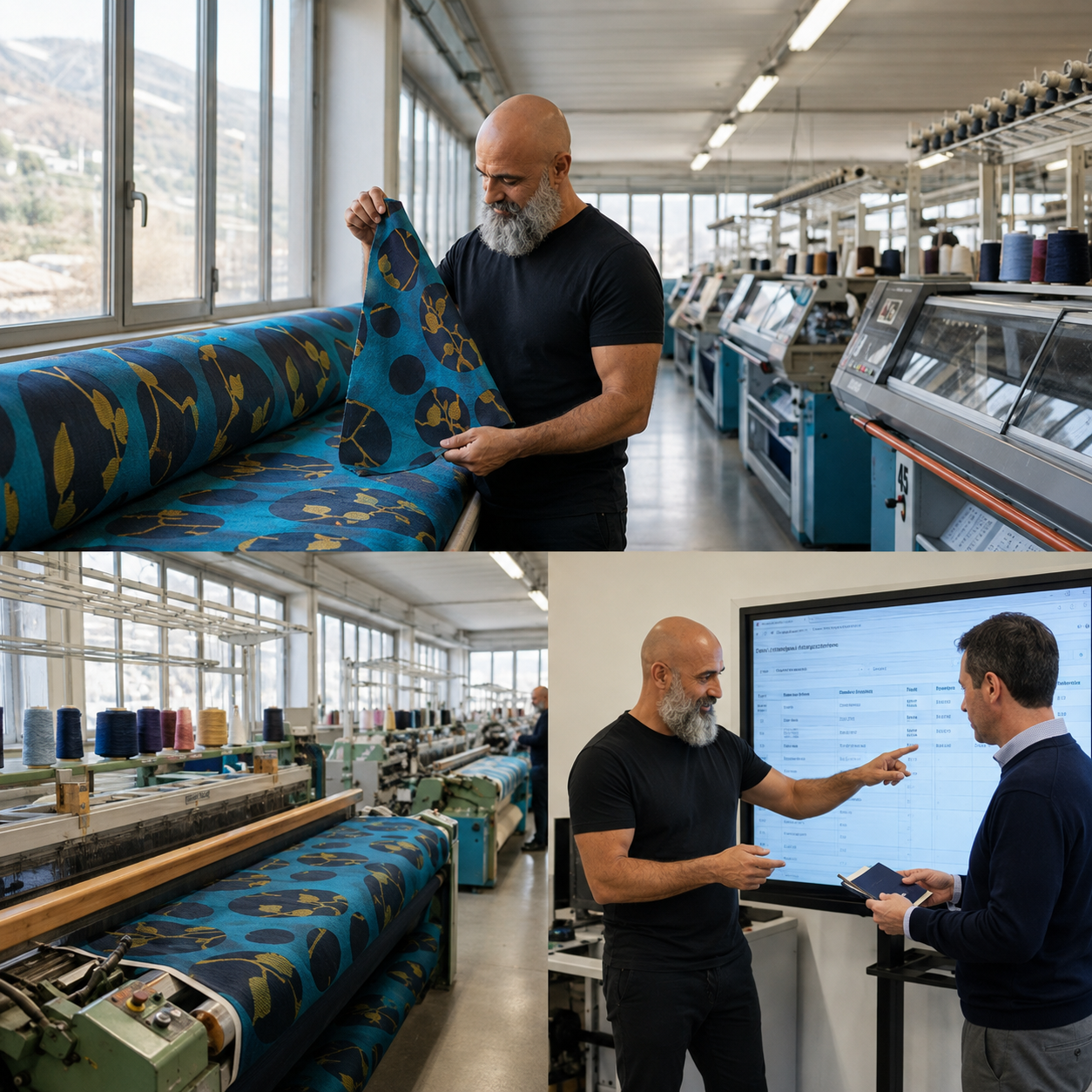
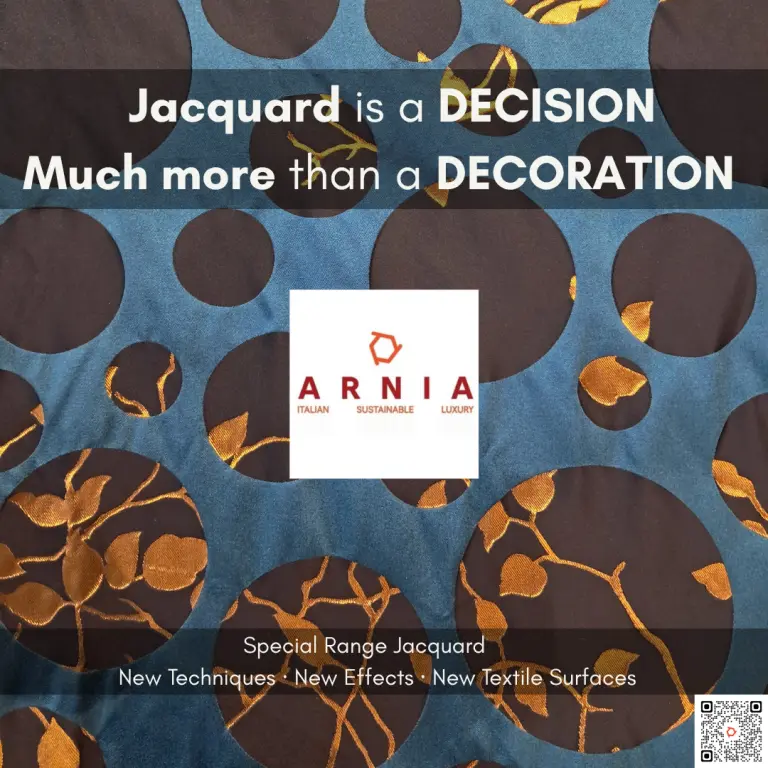
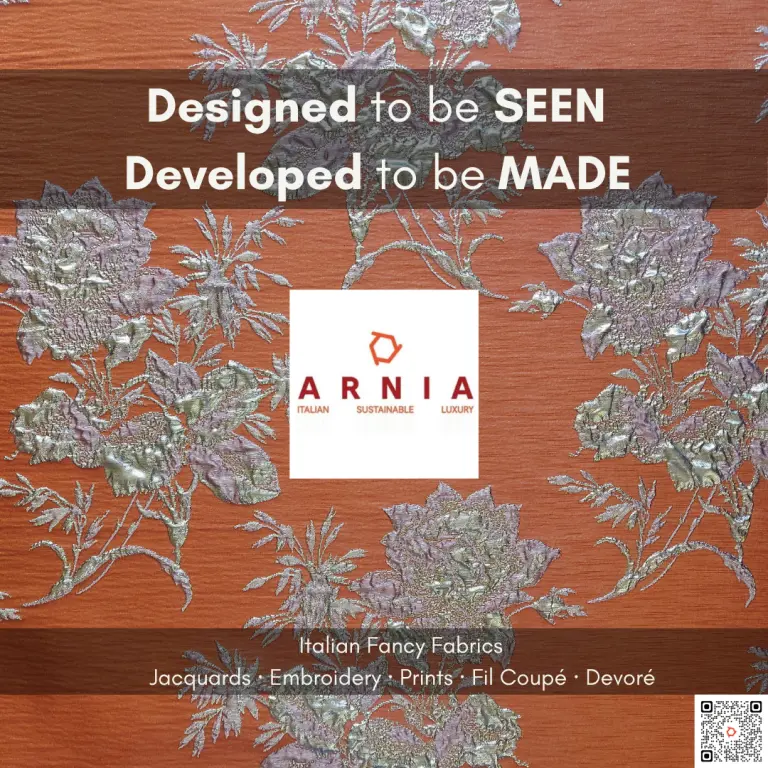
We specialize in MADEINITALY designing, developing, managing the production and the supply chain of attire fabrics: textile woven fabric, brocade fabric, silk fabric, print fabric, jacquard fabric.
Why Fashion brands choose ARNIA TEXTILE FASHION - MADEINITALY
ARNIA connects distinctive textile development with coordinated Made in Italy production in the Lombardy district. We bring specifications, sampling, quality oversight and delivery planning into one accountable project framework, with responsibilities and documentation agreed for each order.
Discover why brands choose ARNIA for sustainable luxury textile manufacturing in Italy.
Assess the textile capabilities behind your development brief before selecting the sampling route.
SUSTAINABLE MADEINITALY - Textile Traceability and Certification
Material claims need evidence that matches the selected fabric, production route and lot. Review our certified textile supply chain pathways to define eligibility, technical minimums and documentation before ordering.
LUXURY MADEINITALY
- Rooted in aesthetic research and innovation, our fabrics embody creativity and modernity.
- Dedication to quality, service, and professionalism is at the heart of our mission, ensuring every textile we produce meets the highest standards of excellence.
- Our offerings include luxurious materials and processes, such as silk and exquisite finishing & ennoblement techniques.
MADEINITALY / ITALIAN TOUCH
- Specialty Craftsmanship
- Customized to Your Vision
- With that "Extra Something Special" / Italian Touch
Reasons to choose us
-
Plan with confidence: repeatability across lots, disciplined timelines.
-
Short-radius controls: speed, quality, and accountability in Lombardy.
-
Compliance you can trust: per-lot traceability, Chain of Custody and claim-ready docs.
-
From idea to delivery: sampling, industrialization, QA, shipment (from fabric to garment - end to end)
-
Capsule-friendly: possible small production batch (with price surcharge).
MADEINITALY
Italian Sustainable Luxury
FAQ
What types of fabrics / services ARNIA TEXTILE FASHION offers?
We supply high-end Italian fabrics including jacquards, eyelet embroidery, silk devoré, plain knits, and technical needlepunch textiles, all customizable to your project needs.
 INNOVATIVE FASHION COLLECTIONSINNOVATIVE FASHION COLLECTIONS - With a wide color palette and a selection of running solid fabrics, we ensure immediate availability for prototyping, sampling, and small batch production — all while maintaining premium quality standards.
 FABRICS SOURCINGFABRIC SOURCING - Fabric customizations from verified sources. TEXTILE TECHNICS / EMBELLISHMENTS that we can provide
- EMBROIDERY
- EMBROIDERY EMBOSSED
- EYELET EMBROIDERY / BRODERIE ANGLAIS
- FOILING
- HEAVY WEIGHT JACQUARDS
- JACQUARDS FIL COUPE
- JACQUARDS FURRY
- JACQUARD CLOTH
- LASER CUT & COLD CUT
- NEEDLE PUNCH
- PAILLETTES / SEQUINS
- PLEATING
- PRINT DIGITAL & ROTARY
- QUILTING
- SILK BURNOUT
- TAFFETAS
- VELVET BURNOUT
- VELVET JACQUARD
 SUSTAINABLE FABRICSSUSTAINABLE FABRICS / ECO FRIENDLY FASHION MATERIALS - Sustainability at ARNIA is woven into every step of our operations. From the materials we choose to how we treat people and the planet, everything reflects our ESG commitment.
- Eco-friendly and sustainable fashion materials
-
Ethical partnerships and responsible sourcing
-
A transparent, inclusive and circular production model
 FABRICS STOCK SUPPORTEDFABRICS STOCK SUPPORTED - With a wide color palette and a selection of running solid fabrics, we ensure immediate availability for prototyping, sampling, and small batch production — all while maintaining premium quality standards.
 CUT SEW SERVICESCUT & SEW SERVICES - We can provide tailored solutions for emerging and established brands alike, offering everything from prototyping and fitting to production (from 20 unit and up for model – split in different sizes), all under one roof.
Does ARNIA TEXTILE FASHION have a minimum order quantity (MOQ)?
MOQ depends on the fabric type and finishing. We often support lower MOQs for sampling and capsule collections with a price surcharge
Can ARNIA TEXTILE FASHION develop exclusive designs?
Yes, we co-develop fabrics under full confidentiality and can sign NDAs for intellectual property protection.
What is ARNIA TEXTILE FASHION standard lead time?
- INNOVATIVE TEXTILE COLLECTIONS range - We have often cutting (mt. 3 / 20) ready for the
If not available we can produce: Sampling: 2–4 weeks. Production: 6–8 weeks after sample approval, depending on complexity.
- FABRICS SOURCING - any customization is produced on order
Sampling: 2–4 weeks. Production: 6–8 weeks after sample approval, depending on complexity.
- FABRICS STOCK SUPPORTED - always available. Delivery in about 2 /4 days just the time to cut or inspect the goods before ship
Does ARNIA TEXTILE FASHION work with sustainable materials?
We develop luxury fabrics through our Lombardy textile supply chain. GOTS, GRS and FSC® pathways are available only for eligible articles and production routes. The applicable scope, Chain of Custody, order documentation and permitted claims must be confirmed for each project before ordering; certification does not automatically cover every fabric or final garment.
What is ARNIA TEXTILE FASHION’s core business?
We are an Italian textile converter specializing in high-end fabrics for fashion brands, combining style research, innovation, and sustainable practices.
Where are ARNIA TEXTILE's fabrics produced?
100% in Italy, mainly in the Lombardy textile district, with a fully traceable, short supply chain.
Can ARNIA TEXTILE work under NDA with brands?
Absolutely. We regularly sign NDAs to protect our clients’ intellectual property and designs.
Does ARNIA TEXTILE require a deposit before starting a project?
Yes. Our General Commercial Sales Conditions require a 30% deposit before sampling, production, or development.
If instead the goods are already available we submit immediately the proforma for the prepayment.
Is MadeInItaly.social a company?
MadeInItaly.social is an initiative and digital hub by ARNIA Textile Fashion. Our legal entity is ARNIA – Società Cooperativa Sociale (Italy).
What is ARNIA Textile Fashion?
ARNIA Textile Fashion is the trading name of ARNIA – Società Cooperativa Sociale, a Lombardy-based textile converter for fashion brands.
EXPLORE ARNIA TEXTILE - MADEINITALY Range of PRODUCTS
TEXTILE COLLECTIONS
Fabrics for Spring/Summer and Autumn/Winter
Our Textile Collections represent lines of contemporary fashion products designed following new market trends.
CUSTOMIZED TEXTILE
SUSTAINABLE ESG
Custom textile development with article-specific material and documentation options. GOTS, GRS and FSC® pathways are assessed separately from branded-fibre and other responsible sourcing options. Eligibility and permitted claims are confirmed for the selected order.
TEXTILE SOURCING
Fabrics Tailored to Your Specific directions or reproduction of archive/vintage samples.
FABRIC STOCK SUPPORTED
Running fabrics, complete with a color palette, readily available from our warehouse. Ongoing qualities prepped for printing, where we ensure immediate availability from our stock for fast print developments.
CUT & SEW SERVICES
We offer high-quality, sustainable production for emerging fashion brands. Exact services, from prototyping to final delivery, we ensure efficiency, precision, and eco-conscious practices. Easy communications - quick replies.
Ready to shortlist fabrics you can plan production around?
Book 20 minutes · Email us · WhatsApp Business

My name is Carlo ROLA, a textile professional with more than 35 years of experience. Elected by ARNIA’s members, I serve as President of the Board, Commercial Manager and Sustainability Risk Manager.
ARNIA – Società Cooperativa Sociale Made in Italy is a member-governed Type B social cooperative and B2B textile partner in the Lombardy textile district. Together with our team, we support premium fashion brands and qualified startups with luxury fabric development, Cut & Sew, Fashion Startup Lab, textile project management, and certified, traceable supply chains for Made in Italy production. Our cooperative model combines industrial reliability, environmental responsibility and work inclusion.
The Team ARNIA TEXTILE FASHION - MADEINITALY offers your:
- Our proficiency in crafting and delivering bespoke, eco-friendly luxury textiles, perfectly suited for global fashion brands.
- The rich expertise and knowledge accumulated over 35 years in the textile industry.
- An array of uniquely designed patterned fabrics, each offering a blend of creative design and aesthetic appeal.
- Textile products and methodologies rooted in ESG sustainability, designed to elevate the eco-consciousness of your fashion line.
We REFLECT and Embody the ETHICAL VALUES of Your BRAND.


We regularly cooperate with 10+ TOP FASHION BRANDS in special customized textile developments

We supply fabrics to over 290 FASHION CONTEMPORARY & EMERGING BRANDS Worldwide

We have produced the GARMENTS COLLECTION to 6 EMERGING BRANDS Worldwide

We EXPORT over the 70% of our total turnover
Live Shows - FAIRS
No Results Found
The page you requested could not be found. Try refining your search, or use the navigation above to locate the post.
The BLOG:
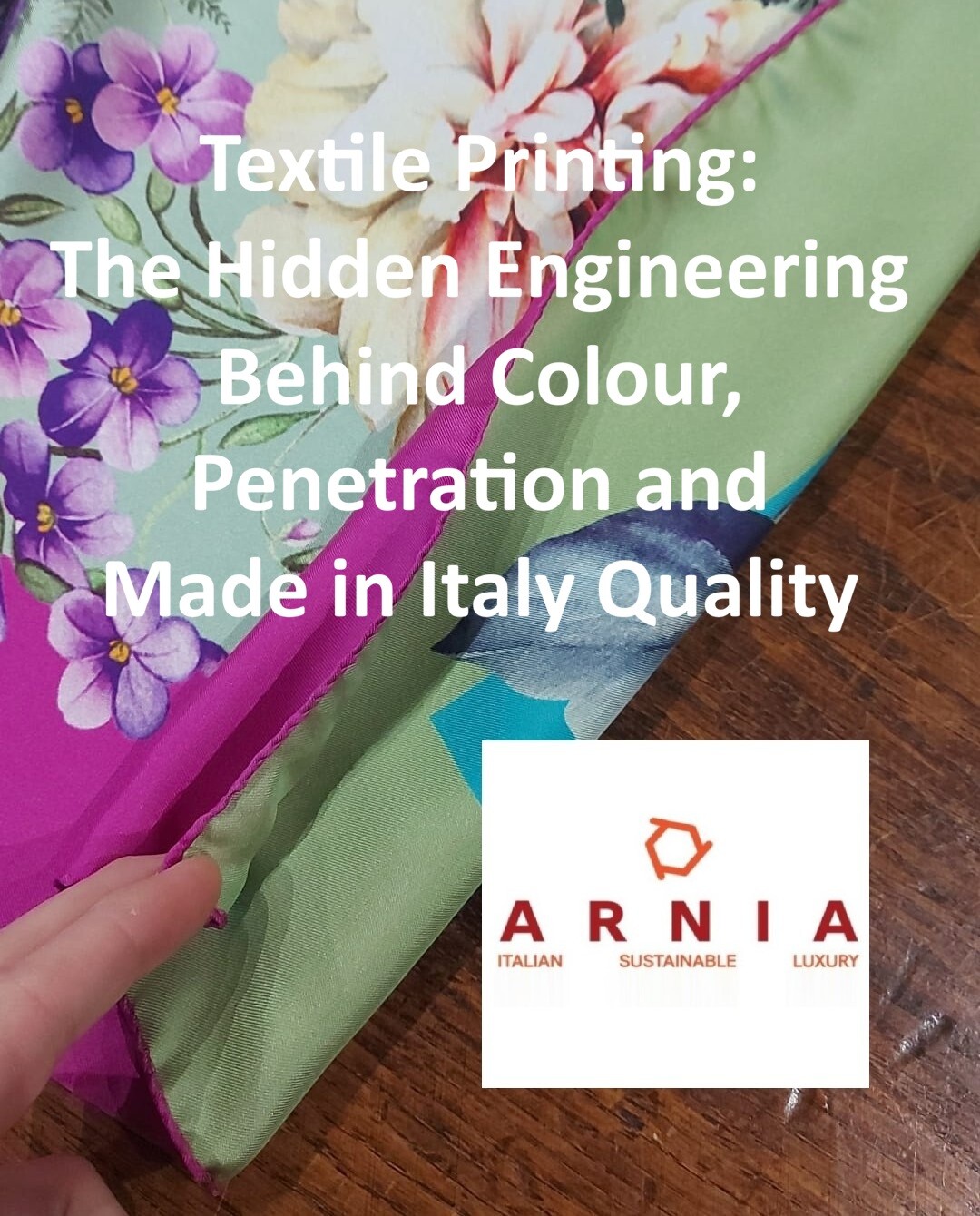
Textile Printing: The Hidden Engineering Behind Colour, Penetration and Made in Italy Quality
From fabric preparation to colour fixation, textile printing is a precise combination of chemistry, technology and craftsmanship. This guide compares rotary, flat screen, digital and transfer printing, examining colour penetration, fibre-specific processes, sustainability implications and advanced solutions for luxury fabrics, scarves and accessories.
FW27 Textile Pre-Collection and Special Jacquard Jumbo: From BLOSSOM Paris to Première Vision
Explore ARNIA’s FW27 textile pre-collection, first presented at BLOSSOM Paris, and the new Special Jacquard Jumbo collection: prints, jacquards, gobelins and embroidery with immediate meterage, custom colours and professional B2B access.
Sustainable Fashion Supply Chain
Emerging designers often want certified organic fabrics and sustainable collections, but MOQ, Transaction Certificates and Chain of Custody rules can create real barriers. ARNIA explains why responsible fashion should begin with truthful claims, ethical codes, continuous improvement and kindness as an operational method.
Sustainable Fashion Due Diligence, GOTS 8.0 and Emerging Brands: Why Responsible Fashion Starts Before the First Prototype
Sustainable fashion due diligence, GOTS 8.0 and European greenwashing rules are changing how emerging brands and startups should approach textile sourcing, certification claims, chain of custody and responsible communication.
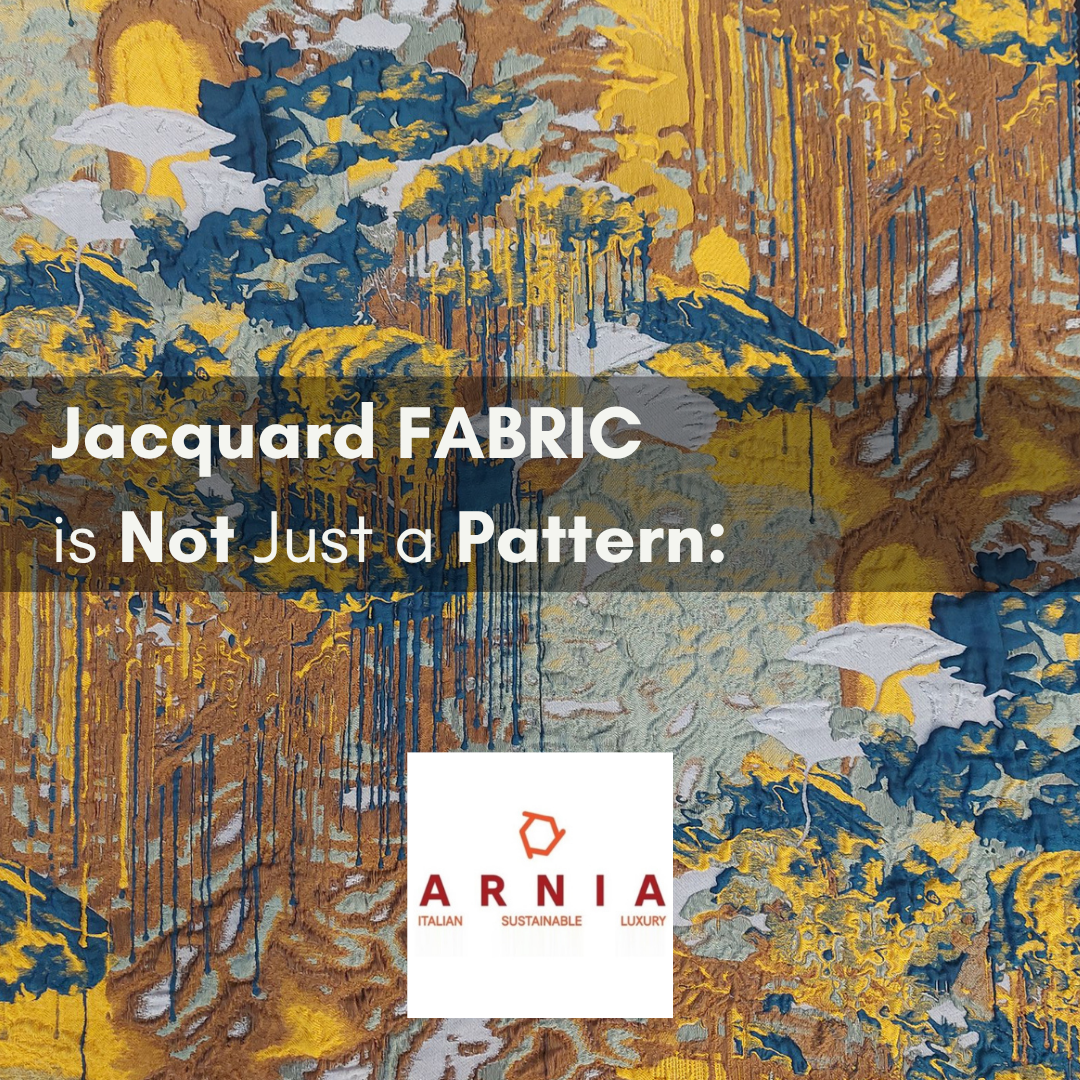
Jacquard FABRIC is Not Just a Pattern: Why Structure Matters in Luxury Pre-Collections
Jacquard fabric is not just a pattern. Learn why structure, yarn, scale, drape and technical feasibility matter in luxury pre-collections, capsule collections and startup sourcing — and meet ARNIA TEXTILE at BLOSSOM Paris.
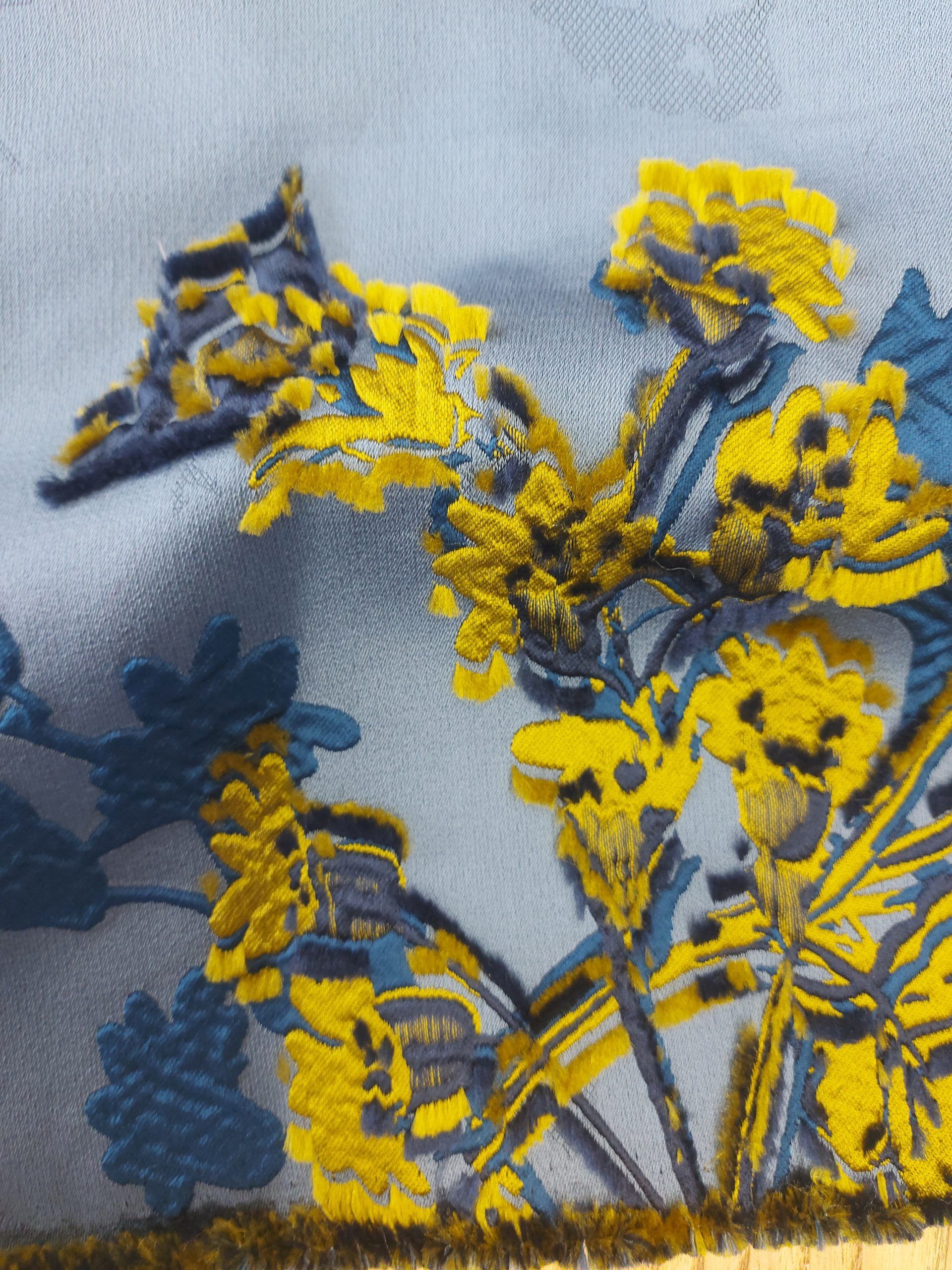
BLOSSOM Paris Wild Matter and the Lombardy Textile District: How Italian Know-How Translates Nature into Luxury Surfaces
How BLOSSOM Paris Wild Matter connects with the Lombardy Textile District: Como, Milan and Varese as a luxury supply chain transforming nature into Made in Italy textile surfaces.
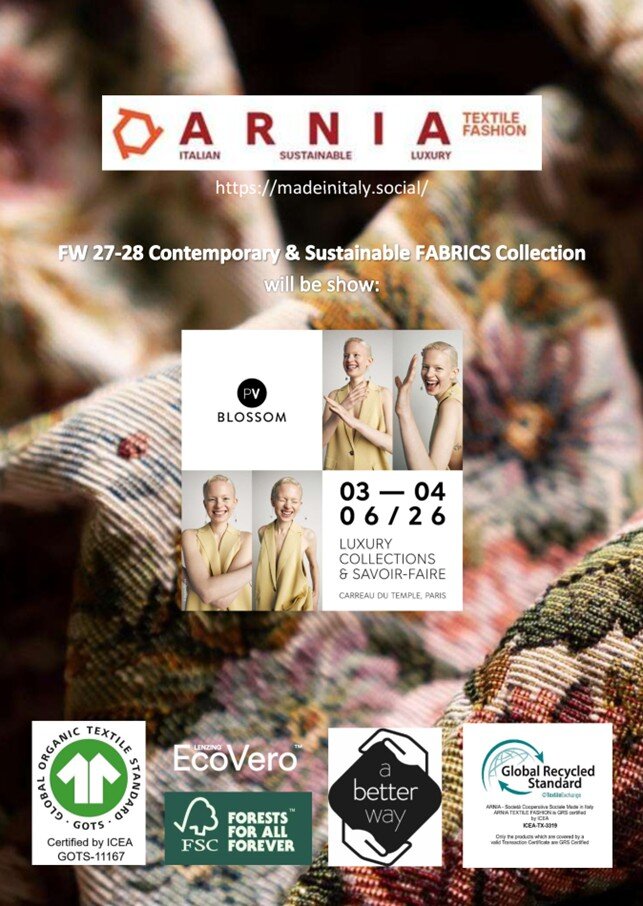
Why BLOSSOM Paris Is the Right Place to Start a Luxury Pre-Collection Textile Sourcing Project
Luxury Pre-Collection Textile Sourcing fairs still matter because fashion begins before the garment exists In fashion, the final garment is only the visible part of a much longer decision-making process where Luxury Pre-Collection Textile Sourcing fair ar at the...
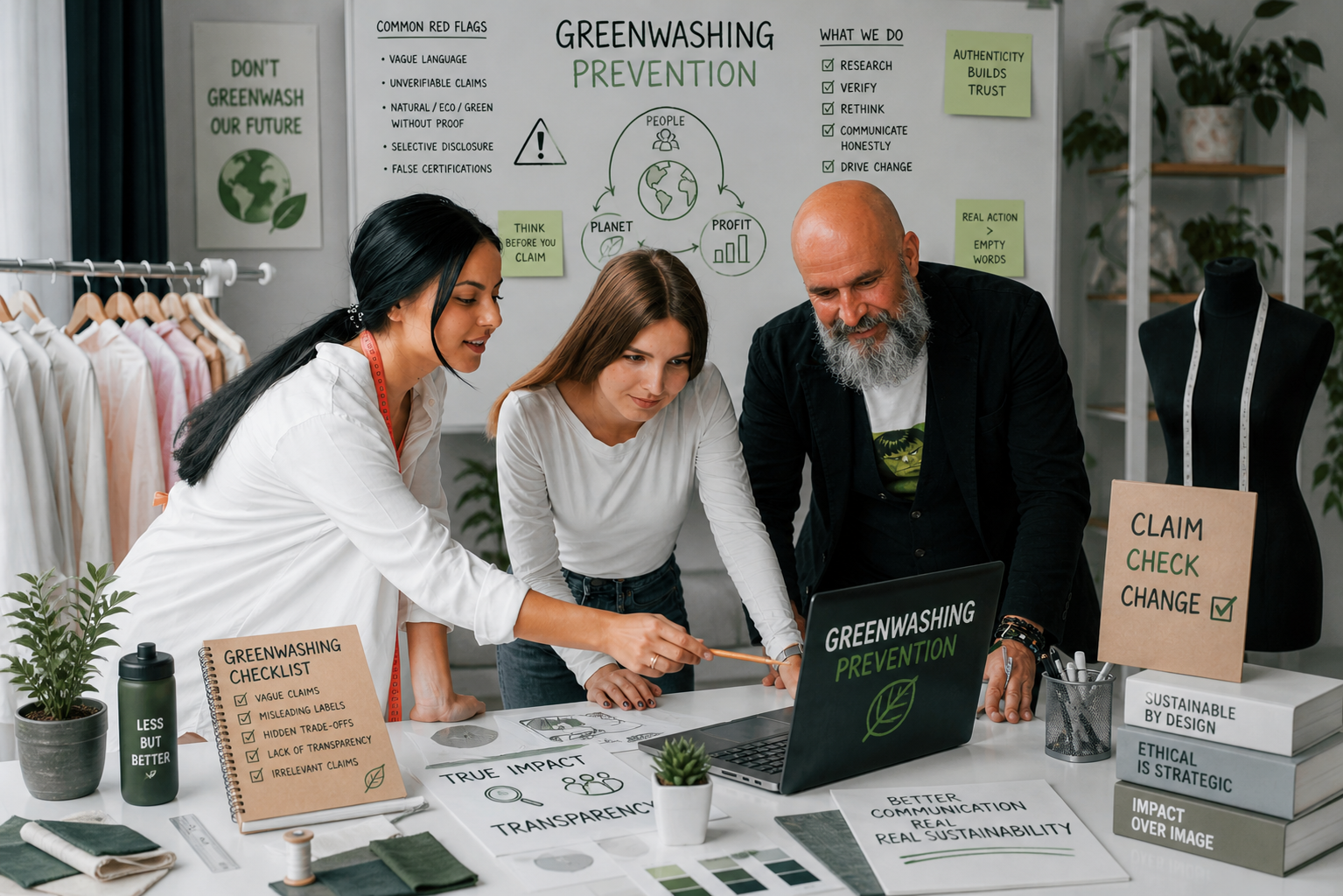
Greenwashing in Fashion and Textile: Sustainable Claims Need Proof
Why “Sustainable”, “Organic” and “Eco” Claims Need Certification Chains, Traceability and Proof Greenwashing in fashion and textiles, starts from words that have become very powerful. “Sustainable.”“Organic.”“Eco-friendly.”“Conscious.”“Responsible.”“Low...

Selling Price and Production Costs in Fashion: Why Your Price Point Shapes the Entire Project
Selling Price and Production Costs: the difference is not semantic. It is structural. In fashion, many founders begin from the wrong end of the equation. They ask, “How much will this garment cost to produce?” before they have defined the more strategic question: “At...
We operate with clients in 45 Countries Worldwide
Armenia - Argentina - Australia – Austria – Bahrain – Belgium – Brazil – Bulgaria – Canada – Chile – China – Cyprus – Denmark – Finland – France – Germany – Greece – Hungary – Ireland – Italy – Japan – Lebanon – Lithuania – Mexico – Morocco – Netherlands – Poland – Portugal – Qatar – Romania – Russia – Saudi Arabia – Singapore – Slovenia – South Korea – Spain – Sweden – Switzerland – Turkey – Turkmenistan – Ukraine – United Arab Emirates – United Kingdom – USA

Carlo ROLA
WORLDWIDE Coordinator
Founding Member, President of the Board, Commercial Manager & Sustainability Risk Manager
Mob/WA: +39 348 44 22 956
arnia.textile@madeinitaly.social
ARNIA - MADE IN ITALY
Via Gabrio Serbelloni, 1
20122 – MILANO – MI
ITALY

José Luis EZCURRA
SPAIN
Mob/WA: +34 660 331 939
J. EZCURRA REPRESENTACIONES SL
C/ Bidasoa, 5, Bosque Center
Local A07
28670 - Villaviciosa de Odón
_Madrid_

Lisa HOLLAND
GREAT BRITAIN
Mob/WA: +44 7879 44 44 09
lisa@cunart.co.uk
CUNART TEXTILES
Farthings, The Holme
NG250NF - Southwell
Nottingham

Grażyna WALAROWSKA
POLAND
Mob/WA: +48 500 241 678
rozamunde.fabrics@yahoo.pl
ROZAMUNDE FABRICS
Mariacka 18 m.4
40‑014 Katowice

Aliki MATSA
GREECE
Tel +30 210 965 8404
M / WA: +30 6932 530 005
alikima@otenet.gr
LE BUSTIER
19, Nireos Str., Voula
16673 – Athens

Carmo MACHADO
PORTUGAL
Tel. +351 252378219
M / WA: +351 963 133666
MAXEL Representações Unipessoal, Lda.
Rua D. Sancho I, 459
4760-325 V.N. Famalicao

Hakan UZEL
TURKEY
Tel: +90 212 221 29 75
Mob / WA: +90 533 581 51 94
TEKSTISYA Tekstil San ve Tic ltd Sti
Emniyettepe mah.mehmet akif
Ersoy cad. no:20/A
34060 Eyup
_İstanbul_

Oliver HEE (许伟德)
SINGAPORE
Tel: +65 6336 00 70
Mob/WA: +65 9828 71 70
HEE FABRIC AGENCIES PTE LTD
21 Tan Quee Lan Street
#02-05 Heritage Place Building
188108 - Singapore

Elliot CHOI
S. KOREA
Mob/WA: +82 10 4555 4093
Tel: +82 70 8866 4093
ato.int.elliot@gmail.com
ATO INTERNATIONAL
Rm.302, 10, Sooyang Bldg 15,
Nonhyeon-ro / 75-gil,
Gangnam-gu, 06247 – Seoul

Gordon GAO
CHINA
Tel. + 86 020 382 519 83
Mob/WA: + 86 189 227 117 98
GOLDTEX TRADING CO. LTD
Room 3002, C Block,
The Concordia City Garden
33, Lin he Street
Tian He District
510610 - Guangzhou

Tommy YUAN
TAIWAN ROC
Tel. +886 2 279 62 610
Mob/WA: +886 935 757 260
ctet.tommy@msa.hinet.net
UANG JYH-MIN
6F-6. No.28, Lane 123, Sec.6,
Minquan E.Rd.,
Nei-Hu (114),Taipei

Hiroaki HASHIOMOTO
JAPAN
Tel: +81-6-6485-7161
Fax: +81-6-6485-7162
interworks@outlook.jp
INTER WORKS LLC
room 56
1ー13ー2, Kyomachibori
550-0003 - Nishi-Ku - OSAKA

Nicole SALVEMINI
USA
Tel. +1 212 203 79 95
NOVELTY FABRICS NYC
241 W., 37th st - room 408
10018 – NEW YORK – NY

Raul MAZZA
ARGENTINA
Tel +54 911 637 43676
Mob/WA: +30 6932 530 005
rmazzausa@aol.com
MAZZA
3 de Febrero, 1256
1426 - BUENOS AIRES

Monica & Omar CHAHIN
BRAZIL
Tel. +55 11 3326-3839
Monica +55 11 7829-4255
monica.chahin@lotex.com.br
import@lotex.com.br
LOTEX TECIDOS / FASHION FABRICS
Tx Commercial De Tejidos E Armarihinos Ltda
Rua Vanhagen, 26 - Centro
01022-010 - Sao Paulo – SP

Steven CHICHESTER
AUSTRALIA
Mob/WA: 0411701675
Tel: +61 2 8338 8801
Fax: +61 2 8338 8802
SC8 FABRICS
Unit 4 / 10-18 Ocean St
NSW 2019 – Banksmeadow

Working with ARNIA TEXTILE FASHION: a practical guide for fashion brands
ARNIA TEXTILE FASHION is a B2B textile development and production partner based in the Lombardy textile district. The company works with fashion brands that need more than a generic material supplier: fabric research, custom development, coordinated specialist production, garment sampling, quality control, traceability and project documentation can be brought into one managed route. This guide explains how to decide where to start and what information helps ARNIA evaluate a project professionally.
1. Start with the business problem, not with a generic supplier request
A brand may contact ARNIA because it needs a fabric, because an existing reference must be reproduced, because a capsule collection needs manufacturing support, or because the sustainability team needs a more controlled and documented supply chain. These are different problems and they should not be handled through the same generic request for “prices and MOQ”.
Begin by identifying the decision you need ARNIA to help with. If you are choosing materials, explain the garment and the textile characteristics required. If you are developing a garment, explain the technical stage and prototype status. If you are reviewing certification, explain the required standard, article and intended claim. A clear starting question reduces unnecessary work and makes the next step more useful.
2. Use the textile collections as a design and sourcing resource
ARNIA’s seasonal collections bring together jacquards, prints, embroidery, fil coupé, devoré and other distinctive constructions for premium fashion development. The galleries are useful for discovering surface, scale and colour directions, but a seasonal image is only the first step. After shortlisting a reference, the buyer should confirm the article, colourway, physical sample, current availability and intended garment use.
Historic collection pages can remain useful even after the original season because they document constructions and design directions. If the exact article is no longer available, ARNIA can assess whether a current alternative or a new development can reproduce the characteristics that matter most to the brand.
3. Use fabric sourcing when the material is not yet defined
Fabric sourcing is appropriate when a brand has a moodboard, sketch, reference garment, archive swatch or technical requirement but has not yet selected the production article. The brief should identify the product category, composition preferences, target hand, drape, weight, transparency, stretch, surface and any finishing requirement.
Provide sample metres and expected production metres separately, divided by colour. Target retail price or material-cost context can also help determine whether the sourcing direction is commercially coherent. If a certification or testing requirement is mandatory, it should be included before the shortlist is final so visually suitable but non-compliant options can be excluded early.
4. Use custom fabric development when an existing article is close but not correct
A custom development should solve a specific design problem. The most efficient brief explains which characteristic of the reference must be preserved and which characteristic should change. The requested change may concern colour, motif, scale, yarn effect, surface, finishing or construction.
Custom development requires physical approvals. Digital images can communicate direction, but colour, hand, texture and drape need to be evaluated on the actual material. Each approved stage should be identified clearly so later changes are treated as new versions rather than informal corrections to an already approved sample.
5. Use stock-supported bases to reduce uncertainty at the beginning of a project
Stock-supported qualities can help brands begin sampling with a known base instead of developing every material from zero. This can be useful for prototypes, capsule projects and repeatable production, but “stock-supported” does not mean unlimited or permanently guaranteed availability. The selected article, colour and quantity must always be checked and confirmed.
A base or greige fabric can also support custom colour, print or finishing. In that case, the base may be available while the finished customised article still requires production. Certified programs require an additional check because availability of a base does not automatically mean the required certified finished colour is ready for immediate supply.
6. Use Cut & Sew when the project includes finished garments
Cut & Sew requires technical information beyond a fabric selection. Share the style list, quantities by style and colour, size range, technical files, current pattern and prototype status, fabric references, trim requirements and target launch timing. The more complete the brief, the easier it is to identify which development steps remain open.
ARNIA generally starts Cut & Sew projects from 20 pieces per style, subject to the actual product and technical route. Final production pricing is confirmed after prototype validation, fabric confirmation and technical approval because construction details, sewing operations and materials determine the real production cost. A prototype is therefore an industrial reference, not only a presentation sample.
7. Understand the role of the Textile Project Manager
A collection can involve fabric suppliers, pattern makers, sample rooms, trim suppliers, specialist processes and production partners. When these actors are managed separately, the brand can lose time reconciling different timelines and versions. A Textile Project Manager creates one decision framework across the project.
The PM can coordinate open decisions, approvals, documentation and milestones according to the agreed scope. This is particularly valuable when materials and garment development are happening at the same time or when the brand does not have an experienced internal production manager.
8. Treat sustainability as a documented project requirement
Sustainability should be translated into specific sourcing and documentation requirements. ARNIA can coordinate GOTS, GRS and FSC pathways for eligible materials and production routes, but the applicable standard must be confirmed for the actual article, processing route and order. An organisational certificate does not automatically certify every fabric or finished garment.
If the brand intends to make a final-product claim, Chain of Custody and the brand’s own certification status must also be considered. A certified upstream fabric should not be converted into a broad “certified garment” claim unless the applicable rules and documentation support that statement.
9. Separate certification, traceability and chemical compliance
These concepts support different buyer decisions. Certification verifies defined requirements under a standard. Traceability connects the actual article or lot with relevant supply-chain information. Chemical compliance addresses legal or brand-specific restrictions such as REACH or RSL/MRSL requirements. Laboratory testing can provide additional evidence for a selected material.
For production orders, ARNIA can define traceability information for the selected SKU or lot when requested at order stage. Testing requirements should also be stated before production approval so they can be connected to the actual article rather than requested after the project is finished.
10. Protect know-how while maintaining due diligence
A professional supply chain must balance accountability with legitimate confidentiality. Buyers may need evidence on facilities, processes, certifications, legal compliance or traceability. At the same time, supplier identities, specialist process details, patterns, prototypes and costing can be commercially sensitive information.
ARNIA uses selective and purpose-limited disclosure for sensitive supply-chain information. NDA and supply-chain protection clauses can be used where detailed disclosure is required. The objective is to give the buyer the evidence needed for due diligence without turning the industrial network into unrestricted public information.
11. Use physical samples as the approval standard
Luxury textiles are tactile materials. Hand, drape, transparency, relief, lustre and colour response cannot be approved reliably through screen images alone. For complex jacquards, velvet, fil coupé, devoré, tulle and other distinctive constructions, the physical sample should remain the common reference for design and production teams.
When the material is used in a garment, the prototype provides an even stronger approval because it reveals how the fabric behaves at seams, folds, shaped panels and on the body. Keep the approved sample, article, colourway and prototype version connected in the project file.
12. Define the commercial architecture before requesting final prices
A meaningful quotation requires a defined scope. For fabrics, ARNIA needs the selected article, colour, quantity and production route. For garments, final pricing depends on the approved construction, fabric, trims and prototype. Asking for a final number before these elements are defined can produce misleading comparisons between suppliers using different assumptions.
Brands should also separate development budget from production budget. Pattern work, samples, fitting, grading, sourcing and technical coordination occur before repeat bulk production and should be considered as part of professional product development.
13. Give timing information as project milestones
Instead of asking for a generic lead time, provide the date by which the sample must be reviewed, the planned production window and the intended launch or delivery date. ARNIA confirms realistic timing after technical review, material validation and the required approvals. Custom fabrics, certified programs and specialist finishes can have different dependencies from a stock-supported article.
A clear calendar also identifies which decisions belong to the brand. Late artwork, delayed fit approval or changes after sample confirmation can affect the schedule even when production capacity is available.
14. Use supplier reliability as part of the sourcing decision
The lowest unit price does not represent the complete cost of a fashion supply chain. Repeated samples, unclear documentation, missed approvals, inconsistent quality or late deliveries can create commercial costs that are much larger than the initial difference between quotations. Premium sourcing therefore evaluates reliability, communication and process control alongside price.
ARNIA’s positioning is based on a controlled short supply-chain model, quality oversight, project-specific traceability and an internal social mission. The objective is to help brands protect product quality and reputation while working with specialist Made in Italy capabilities.
15. Understand ARNIA’s social cooperative model
ARNIA is a Type B social cooperative. Its social mission is based on professional inclusion through real work and responsibility. The internal team includes activities such as development coordination, documentation, quality control, commercial support and sustainability, while specialised external production stages can be performed by selected partners in the Lombardy district.
This operating model is not a substitute for industrial competence. It is designed to combine the cooperative’s inclusion mission with the specialist skills required by premium textile and fashion production. Social value, technical quality and economic sustainability are treated as connected responsibilities.
16. Prepare one consolidated project brief
The most efficient first contact combines the information already available into one brief rather than sending separate requests for fabric, pricing, certification and production. A useful brief includes:
- Brand and product category.
- Style list or intended garment.
- Reference images, swatches or article names.
- Required composition, construction and performance.
- Sample requirements.
- Estimated production quantity by style or colour.
- Target retail price or material-cost context where relevant.
- Technical files and prototype status.
- Certification, testing and traceability requirements.
- Target sample review, production and delivery dates.
- Delivery destination.
17. What happens after the brief
ARNIA reviews the information to identify the appropriate route and the missing decisions. A straightforward fabric request may move into article confirmation and sampling. A custom textile may require development stages. A complex Cut & Sew project may require a structured technical strategy call and project-management support. A certification-sensitive program may require confirmation of technical minimums and Chain of Custody before the material is approved.
The purpose of this first review is to prevent the brand from spending on the wrong sample, wrong material or wrong production architecture. Technical feasibility, commercial conditions and timing are then confirmed against the validated scope.
18. When ARNIA is the right fit
ARNIA is designed for brands that value Made in Italy textile know-how, controlled development, premium quality, traceability, responsible supply-chain management and professional communication. The model is particularly relevant when the project needs coordination across materials, specialist processes and garment development rather than a simple commodity purchase.
If the project priority is solely the lowest possible price regardless of development, documentation or supply-chain control, the model may not be the most appropriate route. ARNIA competes through reliability, technical coordination, traceability and the ability to connect specialised Lombardy textile capabilities into one managed project.
19. From research to action
Use the website to research textile techniques, collections, sourcing, certification and manufacturing, then convert that research into a concise brief. The more precisely the brand defines the problem, the more efficiently ARNIA can evaluate the material, development or production route.
Send your project brief to ARNIA when you are ready to move from browsing to a defined B2B textile or garment-development discussion.
