ESG Sustainability, Social Inclusion and Governance at ARNIA
ARNIA TEXTILE FASHION combines textile development and production coordination with the social mission of an Italian Type B social cooperative. Our approach brings together environmental considerations, inclusive employment and accountable business relationships.
Social Inclusion and Responsible Relationships
We support professional integration through work and develop relationships with specialist textile partners in the Lombardy district. Our Code of Ethics and Values Charter guide expectations for conduct, working relationships and the protection of client reputation. Read about ARNIA’s participation in the Adriano Olivetti National Award and its connection with a human-centred idea of enterprise.
Evidence and Clear Responsibilities
Company governance, social impact and textile certification answer different questions. ARNIA’s social cooperative status does not automatically certify a client’s fabric, garment or collection. Product claims require evidence relevant to the selected article and production route.
Consult our public company documents, ESG assessments and environmental, social and governance commitments for organisational information.
Choose the Right Information for Your Project
For material eligibility and order documentation, use our certified and traceable textile supply chain guide. For custom development and coordinated production, explore ARNIA’s luxury textile manufacturing model in Italy.

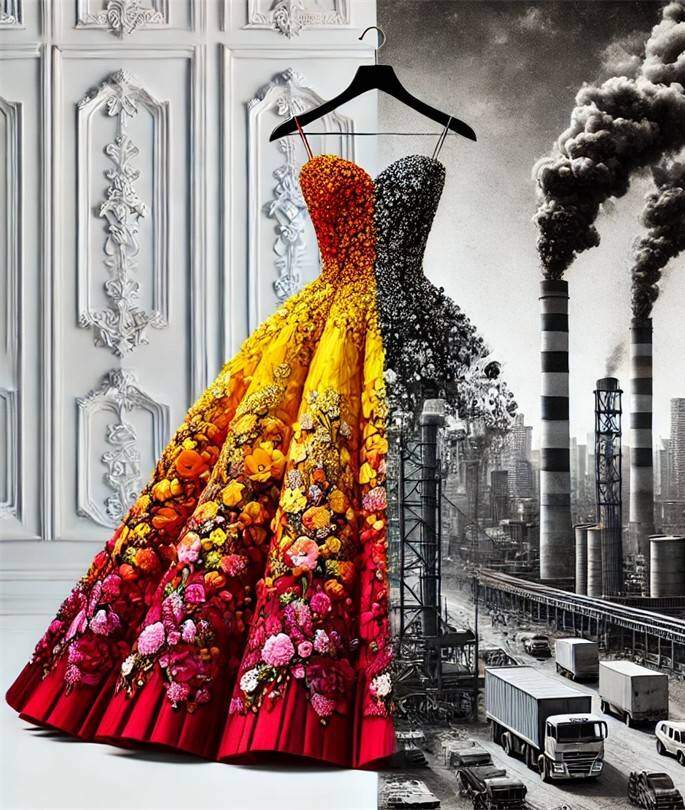
How fashion brands should use ARNIA’s sustainability information
Sustainability information is useful only when the claim, evidence and production route refer to the same project. ARNIA separates organisational sustainability, textile certification, social inclusion, supply-chain due diligence and product documentation because each answers a different question for a buyer or sustainability team.
Organisation, material and final product are different levels
ARNIA’s status as a Type B social cooperative describes the company and its social mission. GOTS, GRS and FSC pathways concern eligible materials and certified supply-chain routes. Neither automatically turns every fabric or garment into a certified final product. The applicable claim must follow the actual article, lot, Chain of Custody and documentation for the order.
Ask for evidence that matches the claim
If a brand wants to communicate a specific sustainability attribute, begin by defining the exact statement it wants to make. Then identify the evidence required to support that statement. For a certified-material claim, the relevant scope and transaction evidence may be important. For a traceability claim, the brand may need information linked to the SKU or lot. For a social-impact statement, organisational evidence is more relevant than a textile certificate.
This approach reduces greenwashing risk because the communication starts from evidence rather than from a broad marketing adjective.
Plan certification before ordering
Certification requirements should be identified before the fabric and production route are finalized. Technical minimums, dedicated processing and segregation requirements can affect feasibility. A small sample order or prototype is not automatically eligible for the same certification route as a production program.
If the brand itself is not certified under the relevant Chain of Custody, it cannot simply present the finished garment as certified because an upstream fabric is certified. The final claim must be checked against the applicable standard and project documentation.
Traceability should be defined by project and lot
A useful traceability request identifies what the buyer needs to know and why. For production orders, ARNIA can define the information available for the selected SKU or lot, including relevant composition, process and supply-chain documentation. The request should be made at order stage so the required fields can be incorporated into the project documentation.
Supplier identity and sensitive process information are not disclosed indiscriminately. ARNIA combines transparency on compliance, traceability and governance with protection of know-how and trade secrets. Detailed disclosure can therefore be purpose-limited and subject to appropriate contractual safeguards.

Testing and chemical compliance are separate decisions
REACH, brand RSL/MRSL requirements and optional laboratory tests answer different compliance questions. A buyer should state the destination market, product category and internal brand requirements before production approval. The testing plan can then be linked to the selected article rather than assumed from a generic sustainability label.
Where OEKO-TEX Standard 100 testing is requested, ARNIA can assess testing on request; this does not mean ARNIA is itself an OEKO-TEX-certified supplier. The distinction between testing, conformity and certification should remain clear in brand communication.
Social inclusion is part of the operating model
ARNIA’s social model is based on work, responsibility and inclusion rather than on a marketing donation attached to a product. The internal team combines textile, commercial, quality, documentation and sustainability functions, while selected specialist partners perform production stages that require specific equipment or technical specialization.
The external production network does not remove ARNIA’s responsibility for coordination. ARNIA maintains oversight of development, quality control, documentation, traceability and ethical expectations while protecting the dignity and confidentiality of both workers and client projects.
Due diligence protects the buyer’s reputation
Supply-chain due diligence should not be reduced to collecting certificates. It includes identifying risks, checking legal and ethical expectations, monitoring relevant partners and managing corrective actions when necessary. The objective is to provide the brand with a more controlled production route and better evidence for its own governance and reputation management.
Use the right evidence in brand communication
- For certified-material claims: confirm the applicable standard and project documentation.
- For traceability claims: use information linked to the actual SKU or lot.
- For social-impact claims: refer to organisational and social-cooperative evidence.
- For chemical-compliance claims: use the relevant declaration or test.
- For supply-chain claims: distinguish verified process information from confidential supplier know-how.
Broad statements such as “fully sustainable” or “zero impact” are not useful substitutes for specific evidence. Clear, bounded claims are stronger for both the buyer and the final customer.
What to include in a sustainability brief
- Product and material category.
- Destination market.
- Required certification or standard.
- Brand certification status where relevant.
- Expected quantity and colour count.
- Required testing or RSL/MRSL.
- Traceability fields required by the buyer.
- Claims the brand intends to make publicly.
ARNIA’s public Sustainability and Transparency pages provide organisational evidence and the framework for textile certification and traceability. Project-specific applicability is confirmed for the selected article and order.
Benefits for Your Line:
- Eco-Friendly Practices
We carefully source raw materials, reduce waste, and limit emissions through low-impact production. As a result, your collections become part of a more responsible future.
- Ethical Supply Chain
We respect human rights at every stage. We collaborate with local communities, follow fair labor standards, and maintain full traceability. This ensures accountability and integrity in every product.
- Quality and Durability
Our fabrics are made to last. Thanks to premium materials and expert craftsmanship, your garments will be more durable and need fewer replacements — reducing overall consumption.
- Social Responsibility
We go beyond fashion. By actively supporting inclusion, diversity, and community well-being, we turn production into a force for good.
- Continuous Innovation
We constantly invest in R&D to discover new materials and processes. Through innovation, we help brands move confidently toward a greener future.
ESG Sustainability
As a non-profit social enterprise, sourcing from ARNIA helps brands meet international ESG (Environmental, Social, Governance) standards.
ARNIA can provide organisation-level and project-specific evidence that may support supplier due diligence and ESG reporting. Any public sustainability claim must be assessed against the relevant product, production lot, documentation and applicable rules.

FAQ
What sustainability certifications do ARNIA TEXTILE fabrics carry?
GOTS, GRS and FSC® pathways may be available for eligible articles and production routes. An organisational certificate does not certify every product or order. Confirm the selected article, lot, chain of custody, applicable transaction evidence and permitted claim before ordering. See our textile certification and traceability pathways for project-specific requirements.
Do sustainable fabrics cost more?
Not always. Costs depend on fiber type, dye/print/weave and finishing costs, and production scale
Can sustainable fabrics meet luxury quality standards?
Absolutely. Our sustainable ranges meet the same quality and aesthetic standards as our luxury lines.
What does sustainability mean for ARNIA TEXTILE?
For us, sustainability is not a marketing slogan, but a measurable, verifiable commitment.
It means integrating environmental responsibility, social inclusion, and ethical governance into every step of our production. We operate under ESG principles and are regularly audited by independent third parties to ensure that our actions match our claims.
Can small orders or samples be certified as sustainable?
A small order is not automatically eligible for a certification claim. At ARNIA, the available route depends on the article, production process, technical minimums, chain of custody and documentation. Our published minimums are project and production constraints, not universal minimum quantities imposed by every certification standard.
-
GRS: 300 m
-
FSC: 500 m
-
ECOVERO: 800 m
-
GOTS: 1000 m
Confirm eligibility before ordering; a sample alone is not proof that a later production lot or garment will be certified.
If ARNIA TEXTILE supplies a certified fabric, can the client label their product as certified?
Not automatically. The applicable standard determines the requirements for the finished product, the companies involved, chain of custody, supporting documents and claim approval. A fabric certificate alone does not authorise a final-garment label or a general sustainability claim. Review the intended wording and label against the relevant scheme before use.
For FSC®, a fabric purchase does not automatically authorise the buyer to use FSC trademarks or make a component or finished-product claim. The intended wording, relevant Chain of Custody requirements, any applicable certification or promotional licence, and required approval must be checked before publication or labelling.
How does ARNIA TEXTILE ensure supply chain sustainability?
ARNIA uses its Code of Ethics and Values Charter to define expectations for supplier relationships. Project responsibilities, quality requirements and available traceability evidence are reviewed within the agreed scope. These controls support responsible production, but do not create a blanket certification of every supplier, article or finished garment.
How does ARNIA TEXTILE prevent greenwashing?
We distinguish organisational commitments from product-level evidence. Material and environmental claims must relate to the selected article, production route and available documentation. Certification requirements and intended claim use should be discussed before ordering, so that the brand communicates only what the evidence supports.
Is sustainability a one-time achievement?
No. Sustainability is a continuous improvement process. We start with the best possible practices, set achievable goals, and progressively raise our standards over time. This journey requires honesty, humility, and transparent sharing of progress.
What social impact does ARNIA TEXTILE create?
Over 30% of our workforce comes from disadvantaged backgrounds (disabilities, mental health conditions, ex-offenders).
We focus on empowerment, skill-building, and integrating people into excellence-driven production processes, proving that inclusion and high-quality results can go hand in hand.
Why should brands choose ARNIA TEXTILE as a sustainable supplier?
Brands can assess ARNIA TEXTILE through its textile development expertise, coordinated production model, social cooperative mission and public company evidence. For the commercial fit, read why brands choose ARNIA as a luxury textile manufacturing partner in Italy. For product eligibility, use our textile certification and traceability pathways.
Are your social-cooperative audits the same as textile certifications like GRS, GOTS or FSC?
No. The statutory cooperative audit (“revisione cooperativa”) verifies our governance, legal compliance and social mission as an Italian Social Cooperative. Textile certification relates to a defined scope, supply chain and eligible products. GOTS and GRS deliveries require the applicable transaction evidence. For FSC®, verify the current Chain of Custody certificate, eligible product scope, and the applicable FSC claim and certificate code on the relevant sales and delivery documents. These requirements are separate from the statutory cooperative audit.
What social requirements are verified?
For work-integration social cooperatives, Italian law requires that disadvantaged workers represent at least 30% of the workforce, based on documentation issued by public authorities. The statutory audit checks compliance with the cooperative framework and related obligations - ref. Law 381/1991
What traceability information can ARNIA provide?
For textile projects, ARNIA can define article- and lot-specific traceability information based on the available production records, Chain of Custody requirements and agreed disclosure level. Coverage is confirmed project by project and should not be interpreted as an unconditional claim of complete public transparency.
Does ARNIA operate only in textile fashion?
No. ARNIA – Società Cooperativa Sociale Made in Italy is the legal entity behind distinct business lines. ARNIA Textile Fashion focuses on textiles and fashion-production coordination, while ARNIA Agro-Industrial Projects addresses selected agro-industrial project-development initiatives through a dedicated specialist network.
Is ARNIA Agro-Industrial Projects part of ARNIA Textile Fashion?
No. They are separate business lines connected to the same ARNIA legal entity and governance model. Their technical scope, specialists, evidence, commercial process and claims are managed separately.
Do ARNIA’s textile certifications apply to agro-industrial projects?
No. GOTS, GRS, FSC® and textile Chain of Custody references apply only within their stated textile scope and, where relevant, to eligible articles or production lots. They do not certify agro-industrial plants, machinery or projects.
What connects ARNIA’s different business lines?
The common elements are ARNIA’s social purpose, responsible project coordination, specialist networks, due diligence, documentation and commitment to measurable value creation. The technologies and technical standards remain specific to each business line.
SUSTAINABILITY ESG COMMITMENT
SUSTAINABLE CUSTOMIZATION ESG
EXPLORE ARNIA TEXTILE - MADEINITALY Range of PRODUCTS
TEXTILE COLLECTIONS
Fabrics for Spring/Summer and Autumn/Winter
Our Textile Collections represent lines of contemporary fashion products designed following new market trends.
CUSTOMIZED TEXTILE
SUSTAINABLE ESG
Custom textile development with article-specific material and documentation options. GOTS, GRS and FSC® pathways are assessed separately from branded-fibre and other responsible sourcing options. Eligibility and permitted claims are confirmed for the selected order.
TEXTILE SOURCING
Fabrics Tailored to Your Specific directions or reproduction of archive/vintage samples.
FABRIC STOCK SUPPORTED
Running fabrics, complete with a color palette, readily available from our warehouse. Ongoing qualities prepped for printing, where we ensure immediate availability from our stock for fast print developments.
CUT & SEW SERVICES
We offer high-quality, sustainable production for emerging fashion brands. Exact services, from prototyping to final delivery, we ensure efficiency, precision, and eco-conscious practices. Easy cummunications - quick replies.
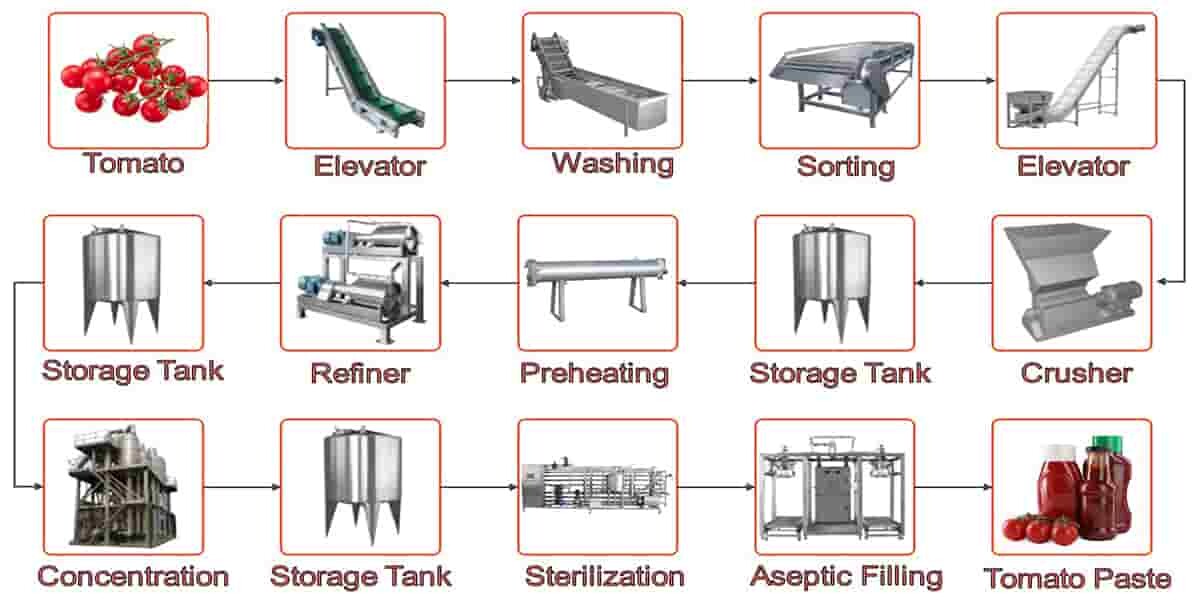
ARNIA Agro-Industrial Projects — A Separate Business Line
Turnkey solutions for Agro-Allied Industries. From feasibility to plant delivery, we support African entrepreneurs with high-impact, sustainable projects.
Beyond textile fashion, ARNIA also coordinates selected agro-industrial project-development initiatives through a dedicated network of technical specialists and Italian engineering partners.
This separate business line focuses on project assessment, process definition, equipment selection and coordination for agro-processing and related industrial projects.
Each project is subject to its own technical, commercial, financial and contractual validation. Responsibilities, origin claims, performance assumptions and supporting evidence are defined project by project.
Textile certifications and textile supply-chain claims do not apply to ARNIA’s agro-industrial projects.
At ARNIA MADE IN ITALY, we provide turnkey agro-allied solutions that go beyond machinery. Our model combines Italian engineering excellence, sustainability, and social value. This approach helps African entrepreneurs transform local resources into competitive agro-industrial businesses.
Moreover, we ensure each project is practical, bankable, and scalable—no theory, no charity, just real solutions that work on the ground.