
Certified and Traceable Textile Supply Chains in Italy
Define the evidence your textile project needs before choosing the material or confirming the order. ARNIA TEXTILE FASHION coordinates certified-material pathways and traceability requirements for premium fashion brands working with the Lombardy textile district.
GOTS, GRS and FSC® pathways are assessed separately for the selected article, production route and lot. Branded fibres and other sourcing options have their own documentation and claim conditions. Company certification does not automatically cover every fabric, shipment or finished garment.
We review technical minimums, chain of custody, available transaction evidence and intended claim use with your project requirements. Eligibility and the documentation to be supplied must be confirmed before order.
For organisational certificates and public company documents, visit ARNIA’s certificates and official verification sources.
Certified textile sourcing: how to define the correct evidence before ordering
For a fashion buyer, the most important question is not simply “is this fabric certified?” but “which standard applies to this article, this processing route and this order, and what evidence can support the claim I intend to make?” ARNIA separates company certification, eligible material pathways, transaction evidence, testing and final-product claims so that sustainability communication remains connected to the actual supply chain.
Start with the intended claim
Before selecting the material, write the claim the brand expects to use. Examples can concern certified fibres, recycled content, responsible forestry inputs, traceability or chemical compliance. Then identify which evidence is required for that exact statement. This reverses the common process of choosing a fabric first and trying to create a sustainability claim afterward.
Company certification does not certify every product
A scope certificate confirms that an organisation is certified for defined activities and materials under a standard. It does not mean that every fabric displayed on a website, every future colour or every garment made from an upstream material can automatically be marketed as certified. Applicability must be checked against the specific article, process, lot and transaction documentation.
Chain of Custody determines whether the claim can continue downstream
Certification is designed to follow controlled material through a defined chain. If a brand or downstream actor is outside the required Chain of Custody, the final-product claim can be restricted even when the fabric itself was supplied through a certified upstream route. Buyers should therefore discuss the intended claim, the brand’s own certification status and the required transaction evidence before approving the final material.
Different materials can require different certification routes
ARNIA can coordinate GOTS pathways for eligible natural-fibre programs, GRS pathways for eligible recycled synthetic programs and FSC Chain of Custody pathways for relevant cellulosic sourcing. The applicable standard depends on the selected material, construction, process and order. These pathways should not be treated as interchangeable labels.
When a material combines different fibres or uses a special finishing process, the buyer should ask how the selected construction affects certification eligibility and documentation. The visually preferred option may need a different route from the commercially or compliance-preferred option.
Technical minimums are part of certification feasibility
Certified production can require segregation, dedicated processing and minimum quantities that are different from ordinary sampling or small-run garment production. A fabric may be technically producible at a small quantity while a fully certified route with the required documentation is not commercially or operationally appropriate at that scale.
For this reason, buyers should state both the sample requirement and expected production quantity before assuming that a certified route applies. ARNIA can then assess whether the project should use an available certified article, a larger dedicated program or a non-certified sample route followed by a certified production stage.
Stock, greige availability and certified finished fabric are different
A base or greige fabric can be available while the required certified finished colour still needs dyeing, printing or finishing. Availability must therefore be confirmed at the level of the finished article the buyer intends to order. The existence of a certified base does not automatically mean that every colour shown in a seasonal range is ready as certified stock.
Custom colour and printing require the certification route to be checked again
When a buyer requests a custom dye, digital print, rotary print or other finishing, the processing stage becomes part of the certification pathway. The selected process, facility and material inputs must be compatible with the standard if the project intends to maintain a certified chain. Define this before approving artwork or lab references.
Transaction evidence is order-specific
Transaction Certificates and related evidence refer to defined certified transactions. They are not generic marketing documents that can be attached to any future product. Buyers should identify the order, article, quantity and required claim so the correct documentation can be planned and requested through the applicable certification route.
Evidence and buyer requirements
Traceability is broader than certification
A certification standard verifies defined requirements, while traceability can include information about article code, composition, colour, lot, process stages and facilities relevant to the order. For production projects, ARNIA can define a per-SKU or per-lot traceability dataset when requested at order stage. The exact fields should be agreed according to the buyer’s reporting or due-diligence needs.
Traceability does not require unrestricted public disclosure of every supplier. Supplier identities and sensitive process information can be purpose-limited and protected under NDA or other appropriate supply-chain protection clauses while still allowing compliance review and project documentation.
REACH, RSL/MRSL and OEKO-TEX testing answer different questions
Chemical compliance should be defined by the destination market, product category and brand requirements. REACH conformity, a brand-specific RSL/MRSL and an OEKO-TEX Standard 100 test are different forms of evidence. ARNIA is not an OEKO-TEX-certified supplier, but testing to the relevant Standard 100 class can be assessed on request for a selected article.
If the brand needs specific testing, communicate the requirement before production approval. Testing performed on another article or historic lot should not be assumed to cover the current order.
Certified fabric and certified garment are not the same claim
A garment contains more than its shell fabric. Linings, trims, sewing thread, labels, processing and downstream certification status can affect the permitted final claim. A brand should therefore avoid turning “fabric supplied through a certified route” into “certified garment” unless the applicable Chain of Custody and product requirements have been met.
Marketing language should follow the evidence
Useful sustainability communication is specific. Instead of a broad phrase such as “100% sustainable”, identify the actual evidence: certified material under the applicable standard, recycled content supported by documentation, traceability data for the lot, a chemical test, or the social-enterprise status of the supplier. Clear boundaries reduce greenwashing risk and make the claim easier to defend.
Buyer questions to resolve before approving a certified textile
- Which standard is required and why?
- Which article and colour are being considered?
- What quantity is needed for samples and for production?
- Does the project require custom dyeing, printing or finishing?
- What is the brand’s own Chain of Custody status?
- Which transaction or scope evidence is required?
- Which traceability fields are required by the buyer?
- Are REACH, RSL/MRSL or laboratory tests required?
- What public claim does the brand intend to make?
How to request a compliant quotation
Include the article, colour, quantity, destination market, required standard, testing needs and intended claim in the enquiry. This allows ARNIA to evaluate the material and documentation route together rather than quoting a visually suitable fabric that later fails the compliance brief.
How ARNIA protects both transparency and industrial know-how
ARNIA’s approach is to be transparent on compliance, traceability and governance while protecting legitimate supplier and process know-how. This means evidence can be shared according to the project purpose, but detailed supplier identities or sensitive process information are not treated as unrestricted marketing content.
Use certification as part of risk management
For a premium fashion brand, certification is valuable when it supports sourcing decisions, documentation and reputation management. It should not be used as a substitute for supplier due diligence, quality control or honest communication. A controlled project combines the applicable certification pathway with technical approval, traceability, testing where required and clear responsibilities across the supply chain.
Send the selected material, expected quantity and certification requirement to ARNIA so the applicable route and documentation can be assessed before order confirmation.
Project-Specific Sustainable Textile Development:
ARNIA can adapt an existing fabric, identify a close alternative or develop a new textile route from a creative brief, physical swatch, archive reference or intended garment application.
We evaluate fibre composition, construction, colour, finishing, performance, repeatability, target price, technical MOQ, timing and documentation requirements together.
Certified, traceable or branded-fibre options are proposed only where technically and commercially applicable to the selected article and production route.
Social impact derives from ARNIA’s operating model as a Type B non-profit social cooperative. It does not automatically make the client’s product, collection or supply chain sustainable or certified.
From colour selection to weaving, printing, dyeing and finishing, the applicable environmental, social, technical and documentary requirements are defined according to the selected project and production route.
Practical Benefits for Fashion Brands:
• Customisable constructions, patterns, colours and finishing options.
• Technical review of intended use, composition, performance, repeatability and production feasibility.
• Realistic project timelines confirmed after review of the article, process, quantity, material availability and current production capacity.
• Project quotations based on approved specifications, quantities, testing, certification and documentation requirements.
• Quality requirements, approval stages and testing protocols defined according to the project.
• Made in Italy production routes documented according to the actual manufacturing process and applicable origin requirements.
• Project-specific, order- and lot-level traceability documentation, where available and agreed at the beginning of the project.
• Guidance on certification boundaries, Chain of Custody and admissible environmental or product claims.
• Delivery targets, approval milestones and responsibilities confirmed in writing for each order.
FAQ
What’s the difference between GOTS and GRS?
GOTS covers organic natural fibers and processing criteria; GRS covers recycled content with chain-of-custody, social and environmental requirements.
Does ARNIA TEXTILE FASHION provide FSC®-certified viscose?
We can assess an FSC® viscose route for a defined order, with indicative technical minimums of 500 metres per design/colour, subject to article and production-route review. An FSC-certified supply claim is confirmed only where current certification scope, Chain of Custody and transaction documentation support the order.
Under the current surveillance derogation, ARNIA must notify CSI as soon as it intends to produce, label or sell FSC-certified or FSC Controlled Wood material; CSI will then schedule surveillance. See our dated FSC® status and surveillance update.
What are ARNIA TEXTILE MOQ and lead times?
Certified production requires segregation, documentation, traceability and, depending on the process, dedicated machine cleaning or production set-up.
Typical technical minimums currently start from:
• GRS woven jacquard, yarn-dyed: approximately 300 metres;
• GRS printed or piece-dyed fabrics: approximately 500 metres;
• FSC® pathways: approximately 500 metres;
• LENZING™ ECOVERO™ piece-dyed qualities: approximately 800 metres;
• LENZING™ ECOVERO™ printed qualities: approximately 500 metres;
• GOTS pathways: approximately 1,000 metres.
These values are indicative and may vary according to article, design, colour, process, partner mill and certification route.
Indicative lead time is generally around six weeks after order confirmation and receipt of all required approvals, subject to certified-input availability, segregation requirements, production capacity and the selected process.
Final MOQ and timing are confirmed in writing for each project.
You can find more information in our BLOG
Does ARNIA TEXTILE run testing and compliance checks?
Depending on the project scope, the available evidence may include technical data sheets, supplier declarations, pH and colour-fastness results, azo-dye information, REACH-aligned documentation and declarations against the brand’s RSL or MRSL requirements.
Independent laboratory testing can be arranged on request and quoted separately.
For GOTS- or GRS-related production, a Transaction Certificate or the applicable digital transaction evidence can be provided only for eligible production lots that meet the relevant standard, technical MOQ, segregation, documentation and Chain of Custody requirements.
Amazing Fabrics with a Social Heart
Certifications, Branded Fibres and Responsible Sourcing Options
Review ARNIA's published certificates, validity dates and official verification sources before confirming a certified material route.
An organisational Scope Certificate confirms the certified scope of the company. It does not automatically certify every fabric, production lot, shipment or finished garment.
Product-level certification and marketing claims depend on the selected material, article, process, production lot, technical MOQ, Chain of Custody and applicable transaction evidence.
ARNIA works with three distinct categories:
Third-party certified-material pathways:
GOTS · GRS · FSC®
Branded fibre options:
LENZING™ ECOVERO™
Responsible cotton sourcing options:
Better Cotton Physical or Mass Balance routes, subject to the applicable Chain of Custody and Claims Framework.

The Global Recycle Standard
The Global Recycle Standard (GRS) The Global Recycled Standard (GRS) certifies sustainable textiles made from recycled materials. It ensures traceability of content, limits chemical use, and promotes fair and safe working conditions across the supply chain.
ICEA Client/License No.: ICEA-TX-3319
Scope Certificate No.: ICA-GRS-23-3838/00C-02
Published certificate expiry: 20/11/2026
Status at 4 November 2026: issuance of the new certificate is pending. The replacement document, scope and validity dates will be published once issued. See the dated certification update and verification sources.
GOTS
The Global Organic Textile Standard (GOTS) is a leading certification for sustainable textiles made from organic fibers. It ensures compliance with ecological and social criteria throughout the full production chain.
GOTS Licence No.: GOTS-11167
Scope Certificate No.: SC-017797-0
Certification Body Reference: ICEA-GOTS-23-3839/00C-00
Published certificate expiry: 20/11/2026
Status at 4 November 2026: issuance of the new certificate is pending. The replacement document, scope and validity dates will be published once issued. See the dated certification update and verification sources.
The Better Cotton Initiative
The Better Cotton Initiative (BCI) supports cotton sourcing programmes with different chain-of-custody models. Physical BCI Cotton and Mass Balance follow different traceability and claim requirements. Availability, eligibility and permitted wording must be confirmed for each project against the applicable documentation before an order or product claim is approved.

LENZING™ ECOVERO™
Derived from certified renewable wood sources using an eco-responsible production process by meeting high environmental standards, LENZING™ ECOVERO™ fibers tailor to a sustainable lifestyle, contributing to a cleaner environment
FSC®
FSC® Chain of Custody supports verified sourcing of forest-based materials through documented supply-chain stages. Applicability and permitted claims must be confirmed for the selected article, production route and order.
Licence Code: FSC-C206170
Certificate Code: ICILA-COC-004751
Published certificate expiry: 27/01/2030
Status at 4 November 2026: a conditional surveillance derogation applies. ARNIA must notify CSI before producing, labelling or selling FSC-certified or FSC Controlled Wood material. Current FSC® status and verification sources.
What ESG Sustainable Textiles Mean at ARNIA
At ARNIA, “sustainable textiles” is not used as an absolute or universal product claim.
We use the expression to describe textile projects that combine one or more documented elements, such as:
- certified or verified fibre inputs;
- a defined and monitored production route;
- Chain of Custody and transaction evidence, where applicable;
- chemical-compliance documentation;
- order- and lot-level traceability data;
- responsible production governance;
- accurate and defensible marketing claims.
The evidence available varies according to the selected material, article, process and production lot.
Each project is therefore evaluated case by case, considering technical feasibility, minimum order quantities, certification requirements and the claims that can legitimately be supported.
Certified and Branded-Fibre Textile Pathways
Depending on the collection, intended use, production quantity and target market, ARNIA can assess the following textile pathways:
GRS — Global Recycled Standard
Recycled-content textile options supported by the applicable Chain of Custody, processing requirements and transaction evidence. Suitable for projects in which recycled content must be documented.
GOTS — Global Organic Textile Standard
Organic-fibre textile pathways covering certified processing and trading stages. A finished-product GOTS claim is possible only when all relevant stages and operators comply with the applicable requirements.
FSC® — Forest Stewardship Council®
Forest-based material options supported by an FSC® Chain of Custody across the relevant supply-chain stages. The admissible FSC® claim depends on the selected material and documented production route.
LENZING™ ECOVERO™
A branded viscose-fibre option developed by Lenzing. Availability, fibre identification, documentation and trademark use are confirmed according to the selected quality and project.
Better Cotton
Cotton sourcing options may follow Physical Better Cotton or Mass Balance models. Physical traceability and Mass Balance accounting support different levels of product and communication claims, which must be assessed according to the current Better Cotton Chain of Custody and Claims Framework.
For every pathway, ARNIA confirms the available documentation, applicable technical minimums and admissible claims before order.
Project-Specific Responsible Textile Development
ARNIA works with design, product-development, sourcing and sustainability teams to define the most realistic textile route for each project.
Our process can include:
- analysis of the creative brief, intended application, target price and expected quantities;
- evaluation of fibre, construction, colour, finishing and performance requirements;
- selection of certified-material, branded-fibre or responsible sourcing options where applicable;
- development of lab dips, strike-offs, woven trials, printed trials or finishing tests;
- confirmation of technical MOQ, production feasibility, timing and documentation requirements;
- review of the claims that may—and may not—be supported by the selected route.
Certification is not promised automatically for prototypes, samples or small production lots. It is confirmed only when the applicable Chain of Custody, segregation, technical minimums and transaction requirements can be maintained.
Evidence, Traceability and Anti-Greenwashing Support
A certified upstream material does not automatically make the finished garment or the entire collection certified.
Depending on the project and the records available from the selected supply chain, ARNIA can support the brand with:
- composition and supplier documentation;
- order- and lot-level traceability data;
- Scope Certificates and applicable transaction evidence;
- Chain of Custody documentation;
- REACH-aligned chemistry information and declarations against brand RSL or MRSL requirements;
- independent laboratory test reports, where commissioned;
- guidance on accurate, evidence-based product and marketing claims - Practical Guide.
The type and extent of the available documentation are confirmed project by project.
The brand remains responsible for its final legal, regulatory and market-specific claims.
From Textile Evidence to a Production Brief
Tell us the intended garment, required composition, quantity, colourways, target budget and documentation your brand needs. Include any planned certification claim so that eligibility can be reviewed alongside technical feasibility.
To assess ARNIA’s broader development and production role, read why brands choose ARNIA as a sustainable luxury textile manufacturing partner in Italy. Use this page to define the material, traceability and certification requirements for that project.
Selected Certified-Material and Responsible-Fibre Options
The articles below are examples of textile qualities that may be available or developable through certified-material, branded-fibre or responsible sourcing pathways.
Availability, current composition, certification pathway, technical MOQ, price and lead time must be reconfirmed before order.
Images, historical quotations and technical information are provided for reference and may require updating.
Use of GOTS, GRS, FSC®, LENZING™ ECOVERO™ or Better Cotton claims is permitted only where current documentation and the applicable Chain of Custody support the specific article, production lot and transaction.
The word “ECO” in an internal article name is not, by itself, a certification or environmental claim.
** Prices shown in historical images are not current and must not be used for purchasing decisions. Updated quotations are issued only after confirmation of the article, quantity, process, certification route and required documentation.
Please do not hesitate to contact us for any kind of questions or inquiries and we'll be happy to assist you
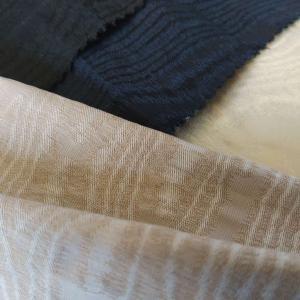
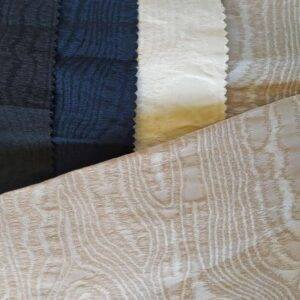
MIKADO yarn dyed / POLYSTER RECYCLED GRS®
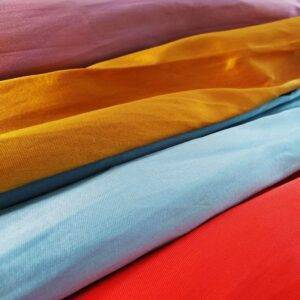
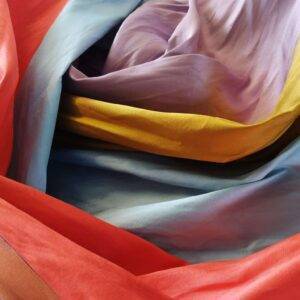
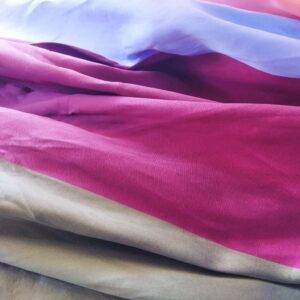
100% Polyester GRS®
Gr/mtl 180
Yard Dyed
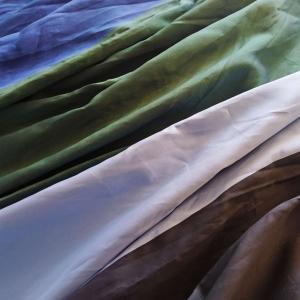
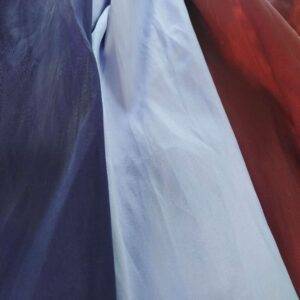
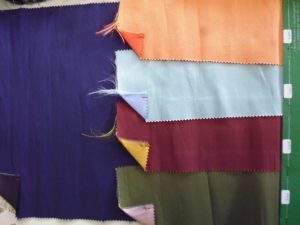
100% Polyester GRS®
Gr/mtl 270
Yard Dyed
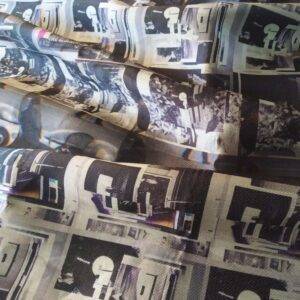
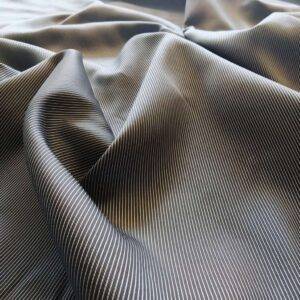
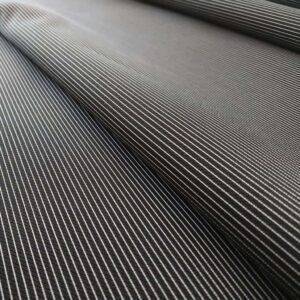
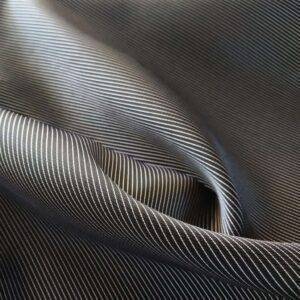
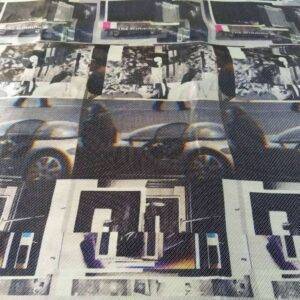
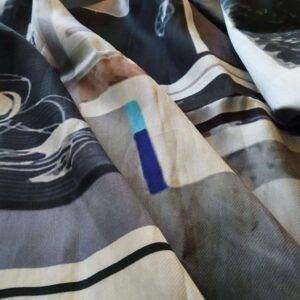
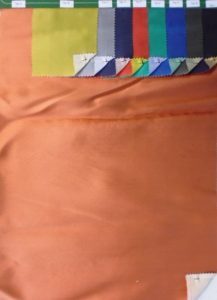
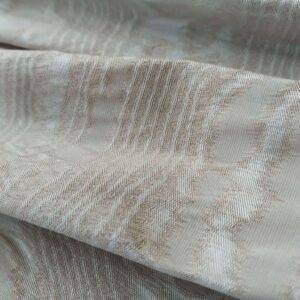
87%Polyester GRS® 13%silk
Gr/mtl 200
Yarn Dyed
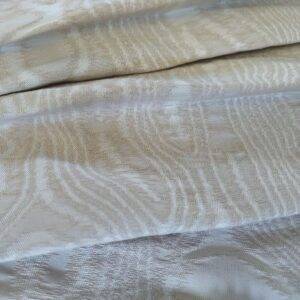
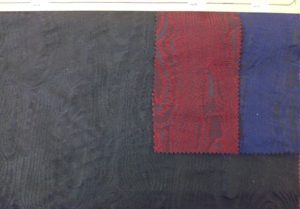
100% Polyester GRS®
Gr/mtl 214
Yard Dyed
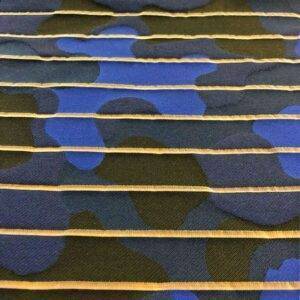
DUBLINO ECO
100%PL (RECYCLED 90% GRS ®)
Gr/mtl 254
Yarn Dyed
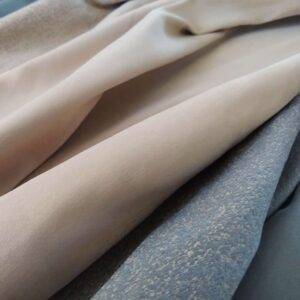

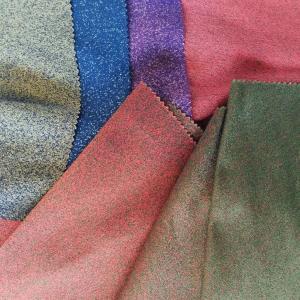
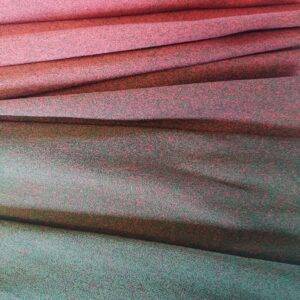
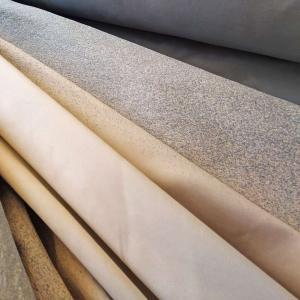
91% Polyester GRS® 9%Polyammyde/Nylon
Gr/mtl 234
Yard Dyed
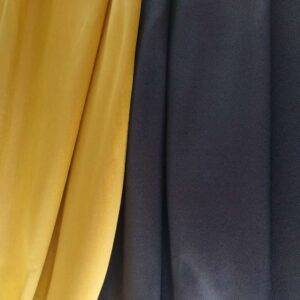
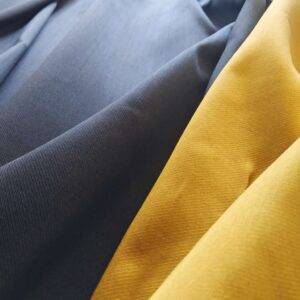
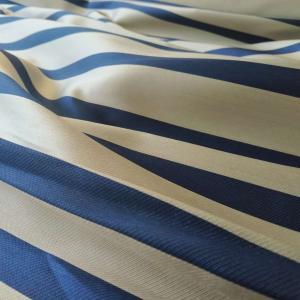
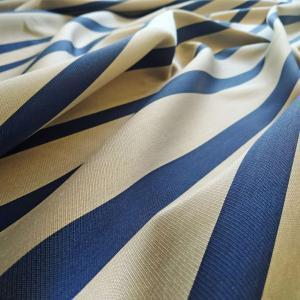
91%Polyester GRS® 9%Silk
Gr/mtl 300
Yarn Dyed
PLAIN WEAVE & SATIN Piece dyed & Printed DIGITAL / VISCOSE ECOVERO®
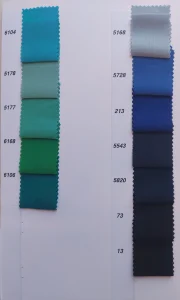
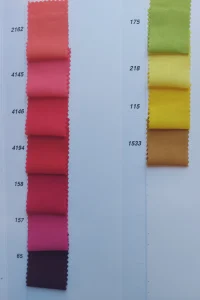
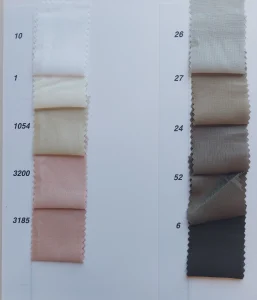
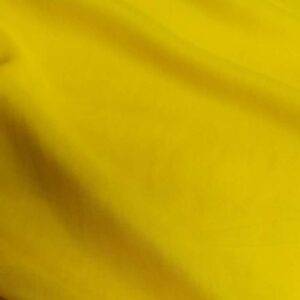
TANYA ECO SOLID
Plain weave viscose
100%Viscose ECOVERO®
Gr/mtl 135
Piece dyed
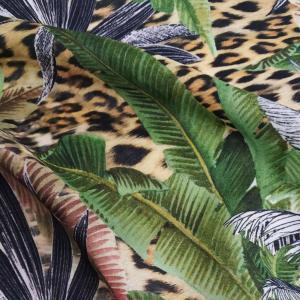

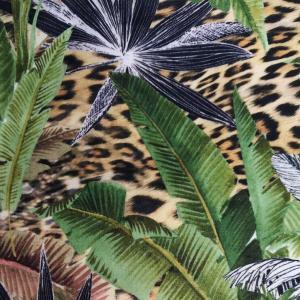
TANYA ECO PRINT
Plain weave viscose printed
100%Viscose ECOVERO®
Gr/mtl 135
Printed
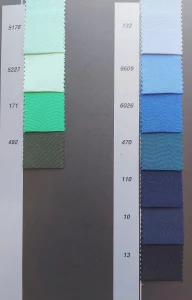
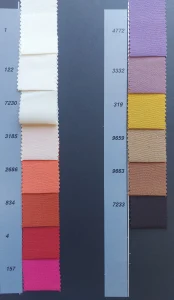
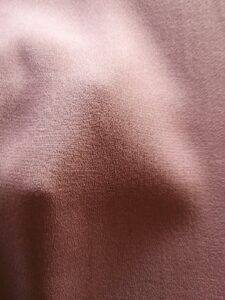
BIACCO ECO SOLID
Plain weave viscose
51%Viscose ECOVERO® 49%Rayon
Gr/mtl 180
Piece dyed
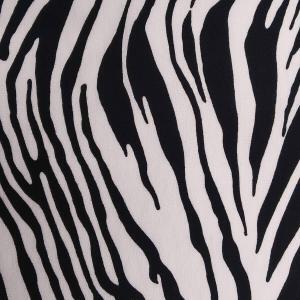
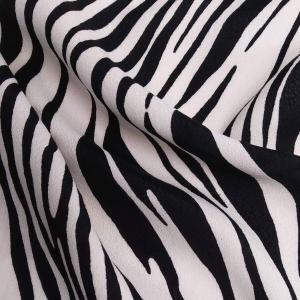
BIACCO ECO PRINT
Plain weave viscose printed
51%Viscose ECOVERO® 49%Rayon
Gr/mtl 180
Printed
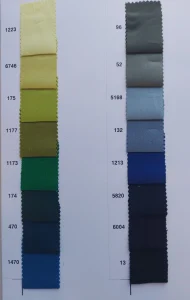
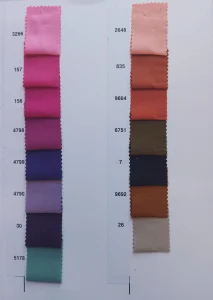
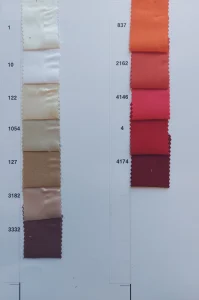
MALDIVE ECO SOLID
Satin viscose
100%Viscose ECOVERO®
Gr/mtl 140
Piece dyed
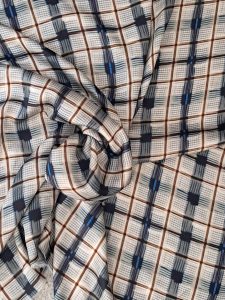
]
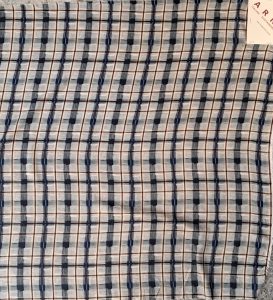
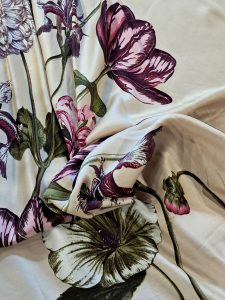
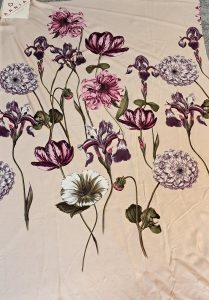
MALDIVE ECO PRINT
Satin viscose printed
100%Viscose ECOVERO®
Gr/mtl 140
Printed
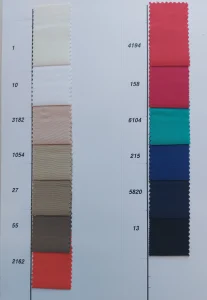
HASA ECO SOLID
Plain weave viscose
51%Viscose ECOVERO® 49%Rayon
Gr/mtl 165
Piece dyed
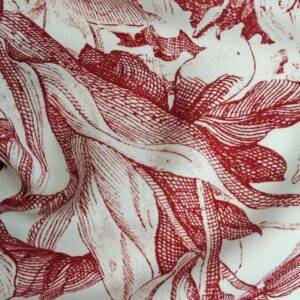
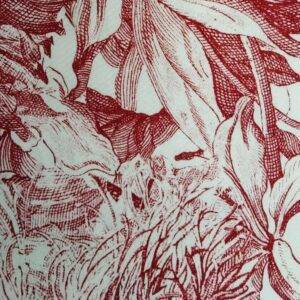
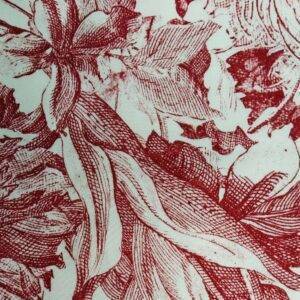
HASA ECO PRINT
Plain weave viscose printed
51%Viscose ECOVERO® 49%Rayon
Gr/mtl 165
Printed
VOILE - POPELINE TWILL Piece dyed & Printed DIGITAL / COTTON BCI®

Cotton super voile
100%CO – Better Cotton Initiative ®
Gr/mtl 72
Printed


Cotton voile
100%CO – Better Cotton Initiative ®
Gr/mtl 99
Printed

Cotton voile soft/slippery handfeel
100%CO – Better Cotton Initiative ®
Gr/mtl 99
Printed

Cotton popeline soft/slippery handfeel
100%CO – Better Cotton Initiative ®
Gr/mtl 155
Printed

Cotton satin
100%CO – Better Cotton Initiative ®
Gr/mtl 120
Printed

Cotton plain weave
100%CO – Better Cotton Initiative ®
Gr/mtl 143
Printed

Cotton popeline
100%CO – Better Cotton Initiative ®
Gr/mtl 150
Printed
CHIFFON - TWILL Piece dyed & Printed DIGITAL / POLYESTER RECYCLED GRS®

LUMUMBA ECO
Chiffon
100%PL (RECYCLED 55% GRS ®)
Gr/mtl 110
Piece dyed

LUMUMBA ECO PRINT
Chiffon
100%PL (RECYCLED 55% GRS ®)
Gr/mtl 110
Printed

OLIMPO ECO SOLID
Twill
100%PL (RECYCLED 56% GRS ®)
Gr/mtl 145
Piece dyed

OLIMPO ECO PRINT
Twill
100%PL (RECYCLED 56% GRS ®)
Gr/mtl 145
Printed
VOILE - POPELINE - TWILL - CANVAS Piece dyed & Printed DIGITAL / COTTON GOTS®


VENERE ECO
Organic cotton voile 60/60
100%CO GOTS®
Gr/mtl 110
Printed or Plain/Solid

SORRENTO ECO
Organic cotton Super Voile 100/100
100%CO GOTS ®
Gr/mtl 65
Printed or Plain/Solid

PANAREA ECO
Organic cotton Super Popeline 80/80 PLUS
100%CO GOTS®
Gr/mtl 140
Printed or Plain/Solid

PARIGI ECO
Organic cotton Twill 40/40
100%CO GOTS ®
Gr/mtl 170
Printed or Plain/Solid

PORTOFINO ECO
Organic cotton popeline 40/40
100%CO GOTS®
Gr/mtl 190
Printed or Plain/Solid

GUBEN ECO
Organic cotton Super Popeline 60/60
100%CO GOTS ®
Gr/mtl 155
Printed or Plain/Solid

OLBIA ECO
Organic cotton Twill Stretch 80/80 PLUS
98%CO 2%EL GOTS®
Gr/mtl 260
Printed or Plain/Solid

CANVAS STRETCH ECO
Organic cotton Canvas Stretch
98%CO 2%EL GOTS ®
Gr/mtl 280
Printed or Plain/Solid
POPELINE Yarn dyed / COTTON GOTS®

CHESTER ECO DIS. 1
Popeline
100%CO GOTS®
Gr/mtl 165
Yarn dyed

CHESTER ECO DIS. 3
Popeline
100%CO GOTS®
Gr/mtl 165
Yarn dyed

CHESTER ECO DIS. 40
Popeline
100%CO GOTS®
Gr/mtl 165
Yarn dyed

CHESTER ECO DIS. 38
Popeline
100%CO GOTS®
Gr/mtl 165
Yarn dyed

CHESTER ECO DIS. 333
Popeline
100%CO GOTS®
Gr/mtl 165
Yarn dyed
ARDENNE ECO
Super Popeline 120/2
100%CO GOTS®
Gr/mtl 165
Yarn dyed
CORDUROY STRETCH Piece dyed & Printed DIGITAL / COTTON GOTS®

CORDUROY 21W STRETCH ECO
Organic cotton Corduroy / Velvel 21W stretch
97%CO 3%EL GOTS ®
Gr/mtl 380
Printed or Plain/Solid
CADY Printed DIGITAL / VISCOSE — FSC® OPTIONS

PANZA ECO PRINT
Viscose cady
Composition: 100% viscose
Gr/mtl 210
Printed
An FSC®-certified supply option may be available for this quality, subject to confirmation of the eligible production route, applicable FSC claim and order documentation. See current FSC® status and conditions before ordering.

FORTE ECO PRINT
Viscose cady
Composition: 100% viscose
Gr/mtl 110
Printed
An FSC®-certified supply option may be available for this quality, subject to confirmation of the eligible production route, applicable FSC claim and order documentation. See current FSC® status and conditions before ordering.
Start a Responsible Textile Project with ARNIA
Tell us what you are developing, the required quantities or metres, intended application, current development stage, target timing and any certification, traceability or compliance requirements.
ARNIA will review the information and identify the most realistic textile and documentation pathway.
Availability, technical feasibility, timing, pricing and certification pathways are confirmed project by project after review.

