
Plain TULLE Solid
Standard running fabrics are generally available, subject to verification and confirmation of the article, colour, metres and dispatch date.
For certified orders, ARNIA checks availability separately, including whether eligible greige fabric is available. Where feasible, dyeing or printing can be arranged on request. A shipment-specific Transaction Certificate (TC) is issued where the applicable certification scheme provides for one and the order meets its chain-of-custody requirements.
STOCK SERVICE / stock-supported
Tulle is light, transparent and versatile, it is used when a garment needs softness, layering, visual lightness, or delicate volume. It can stay minimal and airy, or become the base for richer surfaces such as lace effects, embroidery, and sequins.
What Is Tulle?
Tulle is a very fine open-mesh fabric chosen for its ability to create transparency, depth, movement, and light volume without adding heavy structure. In fashion, it is appreciated for its delicate appearance and for the flexibility it offers in both minimal and decorative developments.
For a deeper comparison of mesh, hand feel and applications, read our guide to tulle structure, finishing and garment uses.
What Is Tulle Used For?
Tulle is widely used for veils, bridal layers, occasionwear, sheer sleeves, dress overlays, gathered panels, corsetry details, and decorative inserts. It also works as an excellent base for embellishment, especially when combined with embroidery, sequins, or other surface effects.
ARNIA’s Tulle Range
At ARNIA TEXTILE FASHION, we can support brands and designers with stock-supported tulle, mesh, and lace-based articles, as well as sourcing support for projects that require a specific construction, hand feel, or visual effect. Through our Fabric Sourcing service, we can start from a physical sample, a technical reference, or even a picture. Through our Cut & Sew Services, we can also support the next step from textile selection to garment development.
Tulle related Developments
For embellished developments, tulle can also be combined with Paillettes / Sequins. For adjacent product families, explore Laces and Fancy Knits. For stock-supported basics, see Plain LACES TULLE.
Our Tulle Articles
The article list below is based on the current ARNIA stock-supported range. All listed qualities are piece dyed and dyed/finished in Italy on the existing Plain LACES TULLE page; the “best for” notes below are editorial suggestions based on article type, weight, and width
Our tulle range is available in 150 cm width and in 300 cm width, and can be supplied both on roll and flat-folded in either format; flat-folded supply is available as an additional paid service. We work with polyamide, polyester, cotton and silk tulles, and we can also provide custom dyeing to match your sample. The range includes soft-hand or crisp-hand qualities, as well as both standard tulles and stretch power net options. Minimum purchase is one roll, with applicable surcharges depending on the requested article, format and service.
Please Note:
The prices shown in the photos are not updated and are purely indicative. Updated and official quotations will be provided upon request.
For any questions, further details, or sample requests, feel free to contact us. Our team will be happy to assist you promptly and professionally.
art. TULLE 001 / Tulle velo invisibile - SOLID
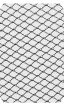
100%PA - gr/sqm 17
width cm. 145/150 - gr/mtl 25 - MOQ 1000 euro/mtl 3,00 exw
width cm. 290/300 - gr/mtl 50 - MOQ 500 euro/mtl 6,00 exw
mt. 100 +50%surcharge
mt. 50 +100%surcharge
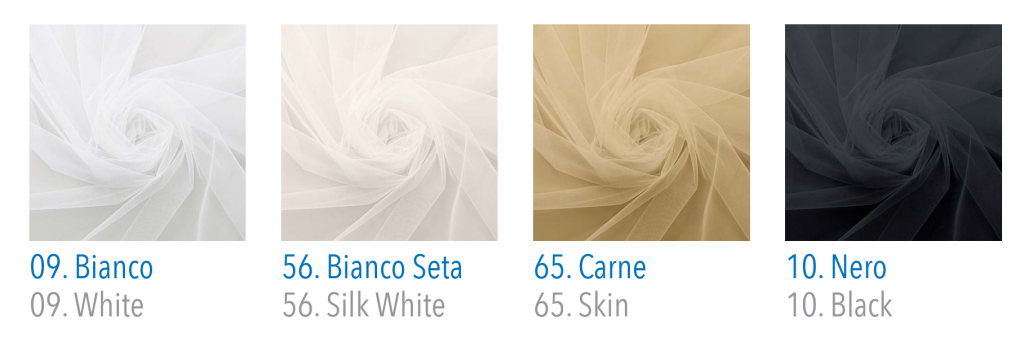
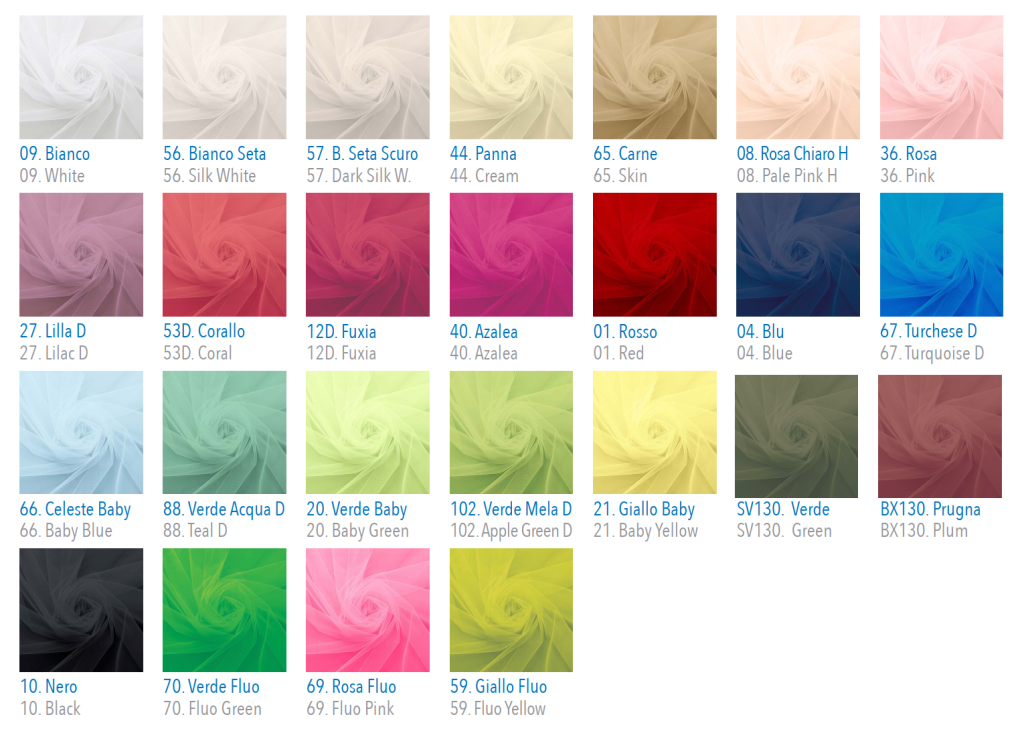
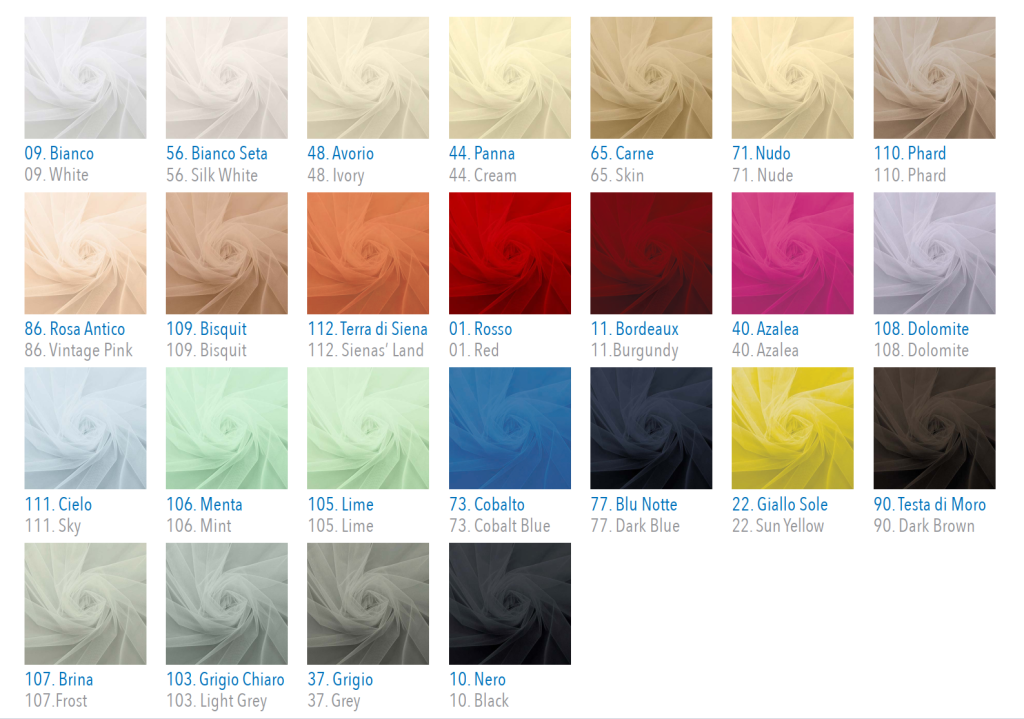
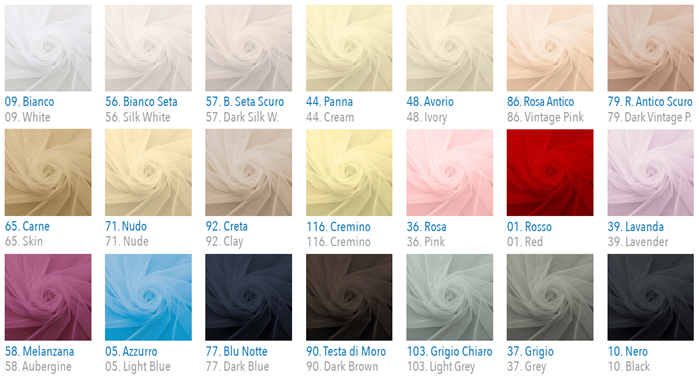
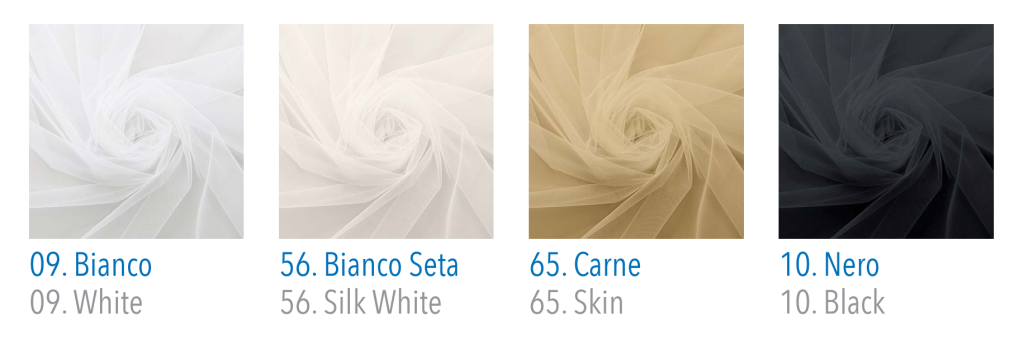
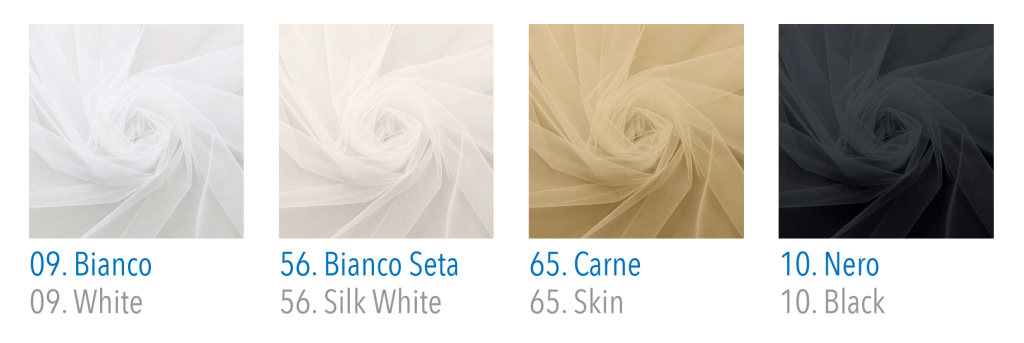
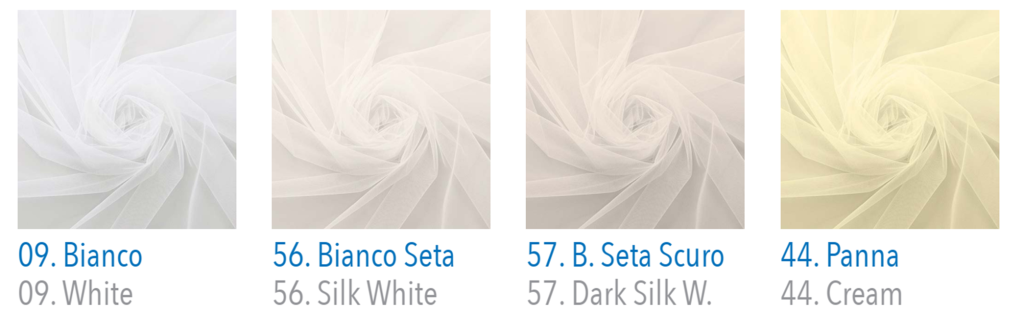
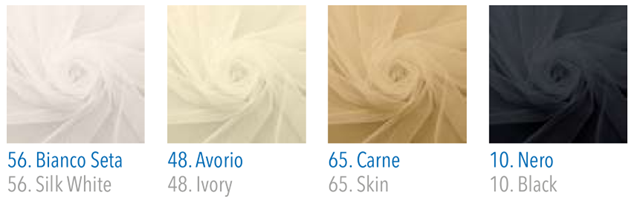
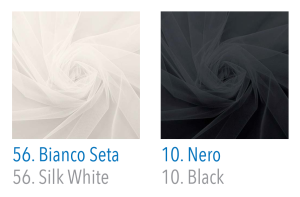
color card stock supported

art. TULLE 002 / Tulle piuma light - SOLID

100%PA - gr/sqm 25
width cm. 145/150 - gr/mtl 37 - MOQ 1000 euro/mtl 2,60 exw
width cm. 290/300 - gr/mtl 74 - MOQ 500 euro/mtl 4,90 exw
mt. 100 +50%surcharge
mt. 50 +100%surcharge
color card stock supported
art. TULLE 003 / Tulle piuma light shiny - SOLID
100%PA - gr/sqm 25
width cm. 145/150 - gr/mtl 37 - MOQ 1000 euro/mtl 2,60 exw
width cm. 290/300 - gr/mtl 74 - MOQ 500 euro/mtl 4,90 exw
mt. 100 +50%surcharge
mt. 50 +100%surcharge
color card stock supported

art. TULLE 004 / Tulle powernet - SOLID
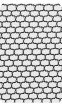
100%PA - gr/sqm 24
width cm. 145/150 - gr/mtl 36 - MOQ 500 euro/mtl 4,90 exw
mt. 128 +50%surcharge
mt. 64 +100%surcharge
color card stock supported
art. TULLE 005 / Tulle illusione - SOLID
100%PA - gr/sqm 17
width cm. 145/150 - gr/mtl 25 - MOQ 1000 euro/mtl 8,20 exw
width cm. 290/300 - gr/mtl 50 - MOQ 500 euro/mtl 16,50 exw
mt. 100 +50%surcharge
mt. 50 +100%surcharge
color card stock supported
art. TULLE 006 / Tulle illusione stretch - SOLID
80%PA 20%EL - gr/sqm 35
width cm. 145/150 - gr/mtl 37 - MOQ 1000 euro/mtl 8,40 exw
mt. 128 +50%surcharge
mt. 64 +100%surcharge
color card stock supported
art. TULLE 007 / tulle powernet stretch light - SOLID
86%PA 16%EL - gr/sqm 47
width cm. 145/150 - gr/mtl 70 - MOQ 500 euro/mtl 8,00 exw
mt. 120 +50%surcharge
mt. 60 +100%surcharge
color card stock supported

art. TULLE 008 / tulle matera bi-stretch - SOLID
93%PA 7%EL - gr/sqm 70
width cm. 145/150 - gr/mtl 107 - MOQ 500 euro/mtl 10,00 exw
mt. 100 +50%surcharge
mt. 50 +100%surcharge
color card stock supported

art. TULLE 009 / tulle powernet stretch compress - SOLID
85%PA 15%EL - gr/sqm 125
width cm. 145/150 - gr/mtl 187 - MOQ 500 euro/mtl 15,20 exw
mt. 100 +50%surcharge
mt. 50 +100%surcharge
color card stock supported
art. TULLE 010 / Tulle piuma heavy - SOLID

100%PA - gr/sqm 250
width cm. 145/150 - gr/mtl 75 - MOQ 800 euro/mtl 3,10 exw
mt. 100 +50%surcharge
mt. 50 +100%surcharge
color card stock supported
art. TULLE 011 / tulle point esprit - SOLID
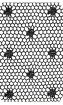
10'0%PA - gr/sqm 28
width cm. 145/150 - gr/mtl 40 - MOQ 500 euro/mtl 7,50 exw
mt. 100 +50%surcharge
mt. 50 +100%surcharge
color card stock supported
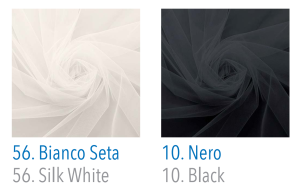
art. TULLE 012 / Tulle piuma invisibile - SOLID
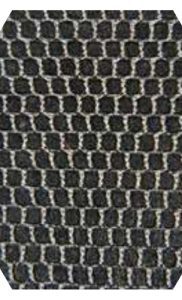
100%PA - gr/sqm 19
width cm. 145/150 - gr/mtl 28 - MOQ 1000 euro/mtl 4,70 exw
width cm. 290/300 - gr/mtl 56 - MOQ 500 euro/mtl 9,50 exw
mt. 100 +50%surcharge
mt. 50 +100%surcharge
color card stock supported
art. TULLE 020 / tulle cotton light - SOLID
100%CO - gr/sqm 47
width cm. 145/150 - gr/mtl 70 - MOQ 500 euro/mtl 10,40 exw
mt. 100 +50%surcharge
mt. 50 +100%surcharge
color card stock supported
art. TULLE 021 / tulle cotton heavy - SOLID
100%CO - gr/sqm 70
width cm. 145/150 - gr/mtl 105 - MOQ 500 euro/mtl 10,90 exw
mt. 100 +50%surcharge
mt. 50 +100%surcharge
color card stock supported
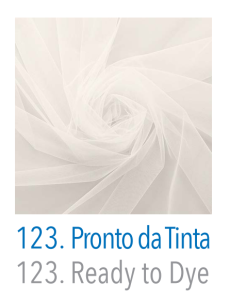
art. TULLE 022 / tulle cotton point esprit - SOLID
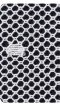
100%CO - gr/sqm 55
width cm. 145/150 - gr/mtl 82 - MOQ 100 euro/mtl 11,50 exw
mt. 40 +50%surcharge
mt. 20 +100%surcharge
color card stock supported
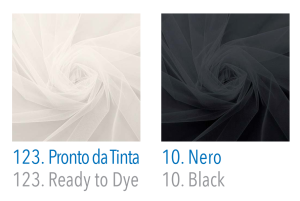
art. TULLE 022 / tulle cotton point esprit - SOLID
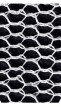
100%SE - gr/sqm 20
width cm. 145/150 - gr/mtl 30 - MOQ 100 euro/mtl 35,00 exw
mt. 40 +50%surcharge
mt. 20 +100%surcharge
color card stock supported
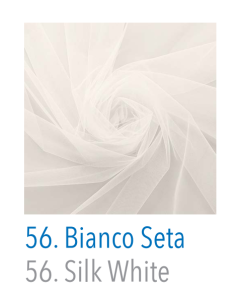
art. TULLE 040 / tulle file STIFF - SOLID
100%PA - gr/sqm 17
width cm. 145/150 - gr/mtl 25 - MOQ 1000 euro/mtl 1,70 exw
width cm. 290/300 - gr/mtl 50 - MOQ 500 euro/mtl 3,10 exw
mt. 100 +50%surcharge
mt. 50 +100%surcharge
color card stock supported
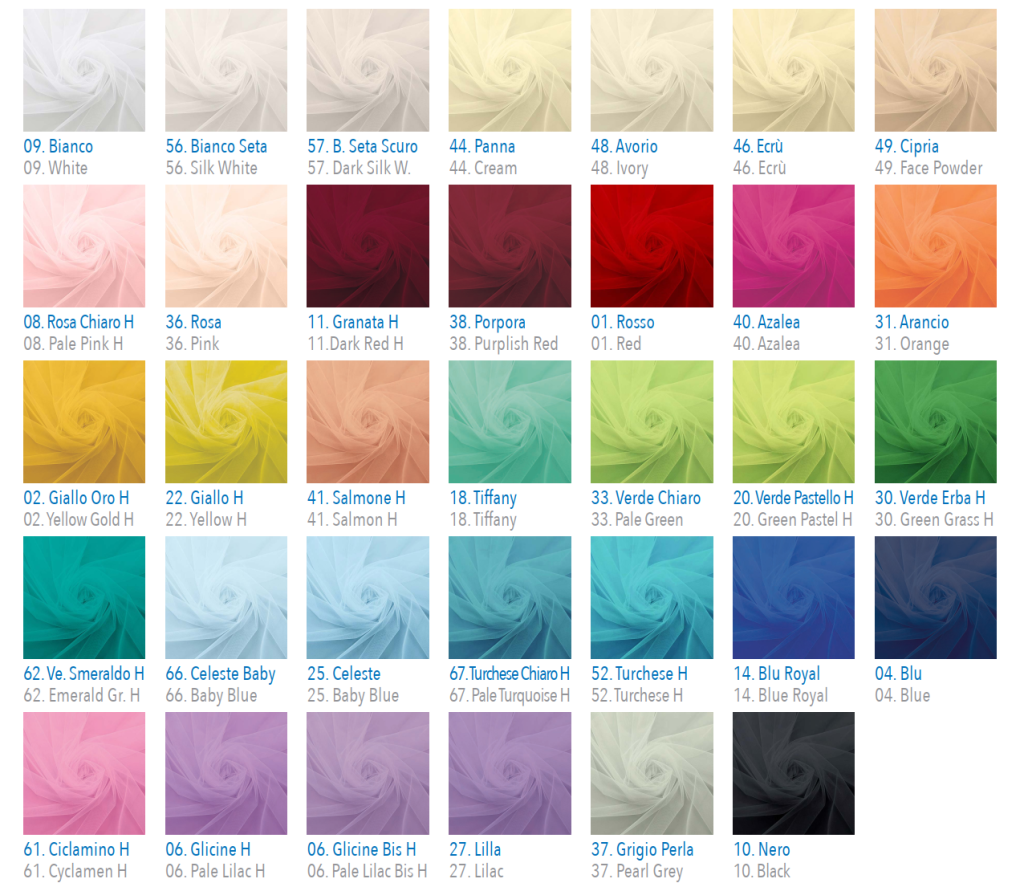
art. TULLE 041 / tulle file shyny STIFF - SOLID
100%PA - gr/sqm 14
width cm. 145/150 - gr/mtl 21 - MOQ 1000 euro/mtl 1,70 exw
width cm. 290/300 - gr/mtl 42 - MOQ 500 euro/mtl 3,10 exw
mt. 100 +50%surcharge
mt. 50 +100%surcharge
color card stock supported
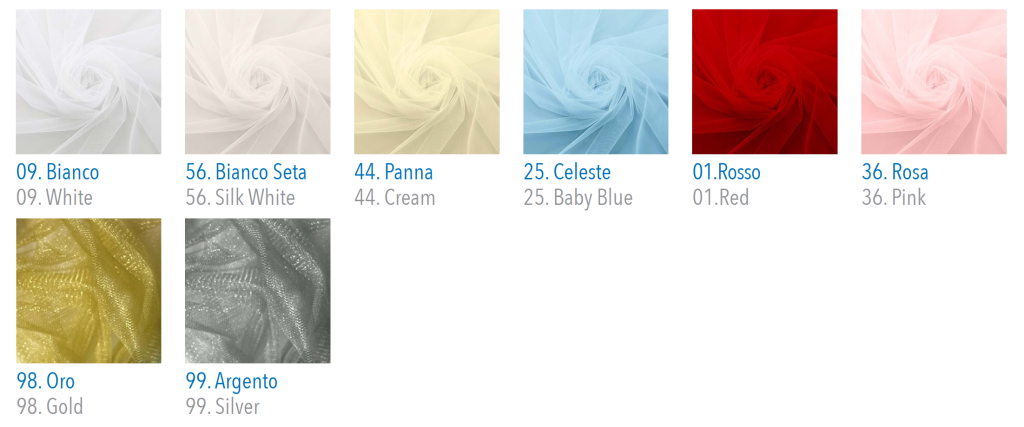
art. TULLE 042 / tulle file 40 STIFF - SOLID

100%PA - gr/sqm 25
width cm. 145/150 - gr/mtl 37 - MOQ 1000 euro/mtl 2,00 exw
width cm. 290/300 - gr/mtl 74 - MOQ 500 euro/mtl 3,60 exw
mt. 100 +50%surcharge
mt. 50 +100%surcharge
color card stock supported
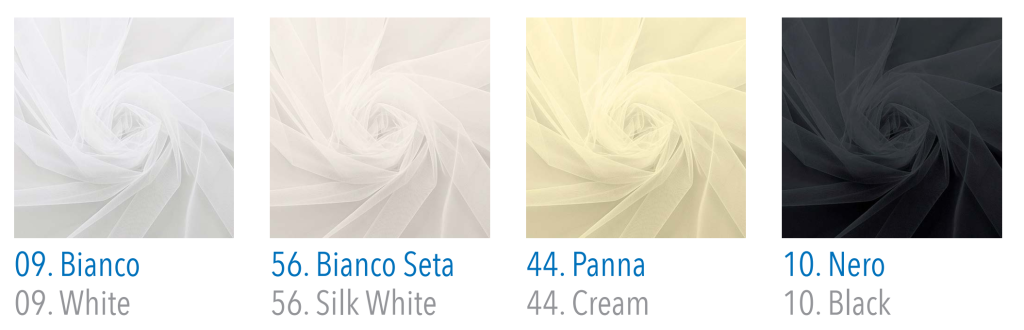
art. TULLE 043 / tulle 40 SG

100%PA - gr/sqm 50
width cm. 175/180 - gr/mtl 90 - MOQ 500 euro/mtl 3,90 exw
mt. 100 +50%surcharge
mt. 50 +100%surcharge
color card stock supported
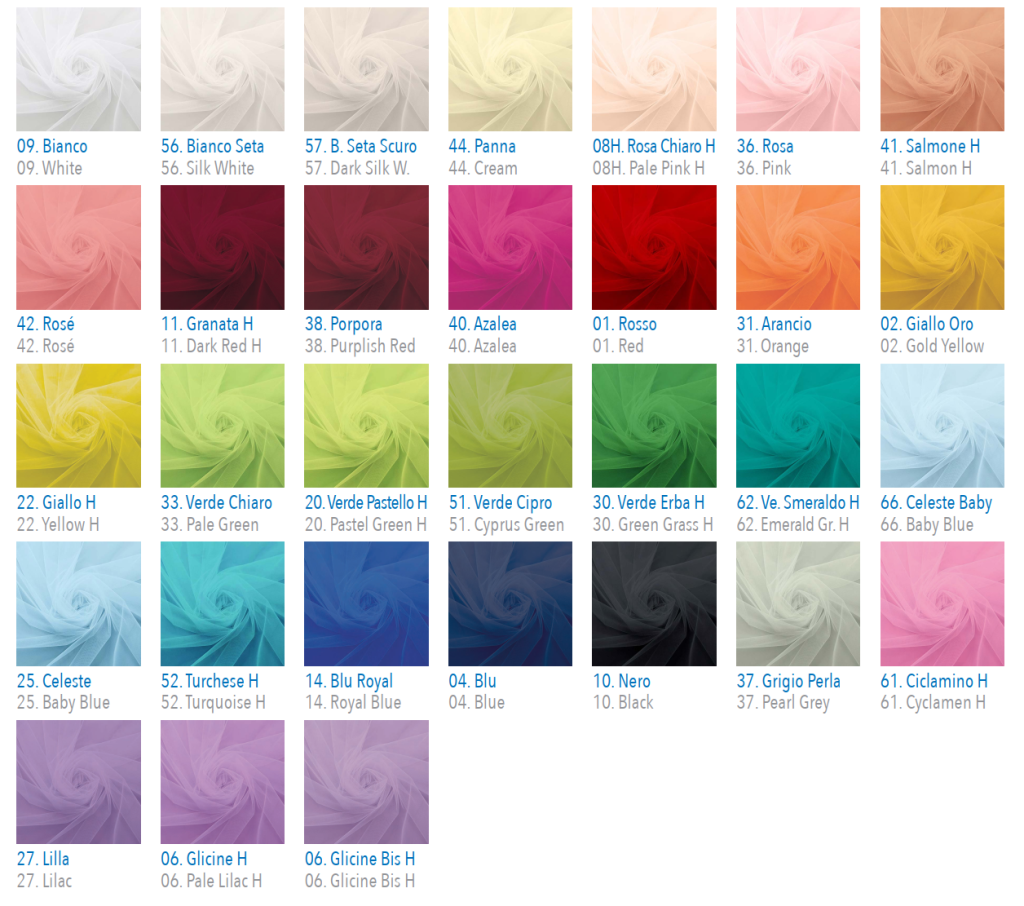
How to specify tulle fabrics for a fashion project
Tulle selection requires more than choosing a mesh visually. Transparency, hand, mesh size, stability and stretch can materially change the way a garment is constructed and layered. Use the page to establish a direction, then confirm the exact article and physical sample.
Start from the garment requirement
Define whether the tulle will be used for overlay, volume, sleeves, inserts, veiling, support or a decorative layer. The required softness, stiffness, transparency and stretch differ according to the garment and the areas where the material will be cut, seamed or gathered.
Describe the product category, silhouette and the role the material must perform. Explain whether the garment needs fluidity, controlled structure, transparency, stretch, volume, surface relief or a specific visual effect. The construction and finishing route should be assessed together with the intended use rather than inferred from a generic category name.
Confirm the exact article and reference
Record the article name or code, the preferred colour and the photograph or card used for selection. If several qualities are being compared, keep each reference separate and note what you prefer in each one. Physical swatches should be used to confirm hand, drape, colour, transparency and surface before approval.
Colours and textures seen on screen are useful for shortlisting but are not production standards. Review physical references under consistent lighting and together with the linings, trims or secondary fabrics that will appear in the garment.
Availability must always be checked
Current tulle availability is confirmed by article, colour and quantity. Running bases may support sampling or faster project starts when available, while special colours or developments require a dedicated assessment.
For certified programs, availability of a greige or base quality does not automatically mean that a certified finished colour is immediately available. The applicable dyeing, printing, finishing and documentation route must be confirmed for the selected article and order.
Separate sampling from production planning
State the metres required for sample development and the estimated metres required for the first production, divided by colour where relevant. Sample needs, pilot quantities and production quantities can follow different commercial conditions. Giving both figures allows ARNIA to assess stock, replenishment, standard production or custom development more accurately.
Also indicate the target sample-review date, the intended production window and the delivery destination. Timing is confirmed against the actual article, finish, quantity and documentation required.
Evaluate technical behaviour before approval
Review mesh scale, edge behaviour, snagging, stretch and recovery where relevant, seam visibility, gathering performance and the interaction with lining or other layers. Test the selected tulle in the intended garment construction before final approval.
If the fabric will be used close to the skin, in a sensitive product category or under a brand-specific RSL/MRSL, identify those requirements at enquiry stage so the relevant declarations or tests can be assessed for the selected article.
Use custom development only where it adds value
Tulle can be used as a base for custom colour, embroidery or selected decorative developments when technically suitable. Define the intended effect and placement so ARNIA can assess the correct base and process route.
When requesting a modification, state what must remain unchanged and what may change. Keep approved swatches, strike-offs, lab references or sample panels as the common standard for later production decisions.
Confirm certification and traceability requirements early
If the brief includes GOTS, GRS or FSC requirements, ask ARNIA to confirm the applicable article, production route, technical minimums and supporting documentation. A certified upstream material does not automatically make the final garment a certified product; the relevant Chain of Custody pathway and the brand’s certification status must be considered before a final-product claim is made.
For traceability-sensitive orders, define the documentation required by the brand or sustainability team at order stage. ARNIA can confirm the available records for the selected SKU or lot.
Prepare a buyer-ready request
- Article or page reference and preferred colour or variant.
- Garment category, silhouette and intended use.
- Sample metres and estimated production metres by colour.
- Required finish, custom colour, print or other development.
- Testing, certification or traceability requirements.
- Target approval date, production window and delivery destination.
Prices shown on historical cards or archived photographs are indicative references only. Request a current quotation for the selected article, colour and quantity together with confirmation of availability and applicable conditions.
ARNIA works as a B2B textile development and production partner in the Lombardy district, connecting material selection with technical validation, quality control, documentation and a controlled supply-chain route.
Send your fabric project brief to ARNIA to confirm the current options and next step.
Before ordering tulle: a practical buyer checklist
A strong fabric enquiry should allow the buyer, designer and supplier to make the same decision from the same information. Before requesting a quotation, define not only the article you like but also the garment, quantity, colour, approval method and commercial objective. This reduces unnecessary sampling and makes it easier to compare existing stock with a new production or custom development.
1. Separate the visual choice from the technical approval
The visual shortlist answers one question: does the material support the collection concept? Technical approval answers another: can the selected article perform correctly in the intended garment and be repeated under the required production conditions? Keep these decisions separate. A fabric may be visually attractive but unsuitable for the required drape, seam construction, care route or end use.
For tulle, compare mesh scale, transparency, hand, stiffness and stretch. A tulle used to create volume needs different properties from one used for soft sleeves, inserts or an embroidered overlay.
2. Define what “available” means for your project
Ask whether the exact article and colour are physically available now, whether only the base quality is available, or whether a new dyeing, printing or finishing step is required. These situations have different implications for timing, minimum quantities and documentation. A stock-supported range is designed to create a practical starting point, but the selected colour and quantity still need confirmation.
If the project requires certified materials, distinguish between availability of the base fabric and availability of the finished certified article. A greige or running base can exist while the required certified colour or printed version still needs a dedicated production route. Ask which documents can apply to the proposed order before making any certification or sustainability claim.
3. Build the quantity request by colour and stage
Do not combine sample metres and production metres into one figure. State the amount needed for swatches, prototypes or sales samples separately from the expected first production. Then divide the production requirement by colour. This helps evaluate stock, replenishment and custom production more accurately and avoids treating a small development request as if it were already a confirmed bulk order.
For each colour, identify whether the quantity is a current estimate or a committed requirement. If a brand is still testing demand, state that clearly. ARNIA can then assess whether an existing base, a stock-supported colour or a more scalable production route is appropriate.
4. Approve colour with a physical standard
Screen colours, photographs and digital moodboards are useful creative references but are not production standards. Use a physical swatch, lab reference or other agreed sample for approval. Record the article, colour reference and date of approval so the purchasing and production teams can refer to the same standard later.
Review tulle colour over the intended underlayer or skin-tone reference because open mesh changes the perceived shade. For layered garments, evaluate all layers together rather than approving the tulle in isolation.
5. Check garment construction before final fabric approval
A material should be reviewed with the actual construction points that matter in the garment: seams, hems, folds, gathers, linings, pockets, closures, reinforcement and any area subject to stress. If the garment contains unusual construction, provide a sketch or technical drawing. This is especially important when a fabric is fluid, open, directional, textured or sensitive to pressing.
Where possible, use the intended production sewing method during sampling. A fabric that looks suitable as a flat swatch can behave differently once stitched, folded or pressed. Record any construction limitation found during the prototype stage and include it in the final approval.
6. Define care and testing requirements early
State the intended care route and destination market before production is approved. If the garment must meet a brand-specific RSL/MRSL, skin-contact requirement or other test protocol, identify the exact need in the brief. Testing should be linked to the selected article and project rather than assumed from the generic material family.
Where a test is optional rather than mandatory, decide whether it is needed before sampling, before bulk production or as part of final compliance documentation. This avoids late testing requests that can delay shipment or force a material change after the garment has already been developed.
7. Decide when custom development is justified
Custom colour, print, finish or other development should solve a real design or commercial requirement. Before requesting it, compare the existing range with the project objective. If an existing article is already suitable, using it can reduce development time and simplify repeat orders. If customization is important to the brand identity, define exactly what should change and why.
If the tulle will be embroidered, dyed or otherwise embellished, confirm the base first. The decorative process can alter weight, stability and drape, so the final approval should reflect the finished construction rather than the plain base alone.
8. Keep the approval trail simple and traceable
Use one clear reference for each approved stage: article, colour, sample, development version and final production approval. Avoid multiple informal approvals through screenshots or chat messages that are difficult to reconcile later. A short approval record protects both the buyer and the production team and reduces the risk of misunderstandings.
For certified or traceability-sensitive projects, keep the commercial approval and the documentation request connected to the same article and order. This makes it easier to verify which certificate, declaration or traceability dataset applies to the material actually purchased.
9. Provide the information needed for a current quotation
- Exact article or page reference.
- Colour or development reference.
- Sample metres required.
- Estimated production metres per colour.
- Garment category and intended use.
- Required finish, print or customization.
- Certification, testing or documentation requirements.
- Target date for sample approval and production availability.
- Delivery destination.
A quotation is meaningful only when it refers to the current article, quantity and production route. Historical prices in collection cards or photographs should therefore be treated as orientation only. Ask for a current commercial confirmation before using the cost in your collection budget.
10. Use the fabric decision to protect repeatability
Premium sourcing is not only about finding an attractive material once. The stronger decision is one that can be repeated, documented and communicated internally. When evaluating two similar articles, consider which one provides the best balance between design, technical suitability, availability, documentation and future continuity.
ARNIA’s role is to connect material selection with development, quality control and a controlled local supply-chain process. A complete buyer brief gives the project team a better basis for confirming what is immediately available, what requires development and what needs a specific certified or documented route.
Share the complete fabric brief when requesting a shortlist or quotation so the proposed route can be evaluated on the actual project requirements.


