Sustainability & ESG Fabrics Commitment
ESG Textile Production by ARNIA MADE IN ITALY
At ARNIA MADE IN ITALY, our commitment to sustainability and ESG FABRICS is embedded in every step of our textile production.
We strive to protect the environment, empower communities, and promote ethical practices throughout our ESG textile supply chain.
Our goal is simple: to create high-quality fabrics that respect both people and the planet — today and for future generations.
ENVIRONMENTAL RESPONSIBILITY:
-
Eco-Friendly Materials:
We work with certified organic fibers such as Organic Cotton, Organic Silk, Organic Linen, and Hemp. -
Championing Recycling:
Over 64 GRS-certified fabrics in our collection, promoting a true circular economy. -
Low-Impact Technologies:
We adopt natural dyeing methods and digital printing without water, reducing environmental impact.
SOCIAL IMPACT:
-
Inclusive Workforce:
We actively support diversity, equity, and inclusion in every division of our organization. -
Equal Job Opportunities:
Employment for all ages and abilities, promoting dignity through skilled and meaningful work. -
Community Partnerships:
We collaborate with local institutions and social enterprises to build long-term positive impact.
GOOD GOVERNANCE:
-
Sustainable Circular Production:
All our developments follow ESG circular economy principles, from sourcing to final product. -
Certified Excellence:
Proudly awarded with GRS and GOTS, reflecting the highest international sustainability standards. -
Italian Craftsmanship:
We combine tradition and innovation to deliver globally recognized textile excellence, 100% Made in Italy.
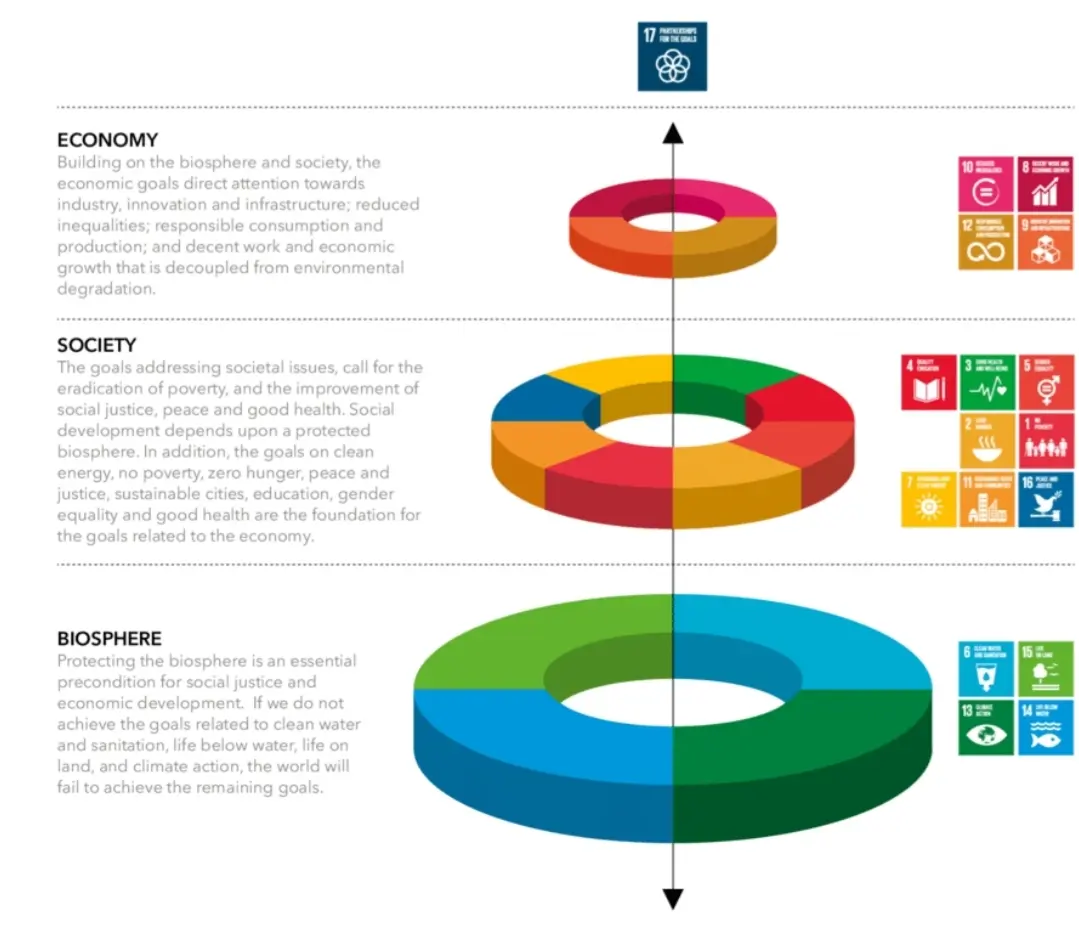
ARNIA TEXTILE FASHION aligns its ESG strategy with the principles of the United Nations Sustainable Development Goals (SDGs), translating sustainability commitments into measurable actions across our business and supply chain. As a Type B non-profit social cooperative, our model directly supports SDG 8 – Decent Work and Economic Growth and SDG 10 – Reduced Inequalities through inclusive employment and the professional integration of people from disadvantaged backgrounds. Our short, selected and monitored textile supply chain, certified-material pathways, traceability practices and circular-economy initiatives contribute to SDG 12 – Responsible Consumption and Production, while our approach to due diligence, ethical sourcing, transparency and accountable governance supports SDG 16 – Peace, Justice and Strong Institutions. Through innovation, local industrial collaboration and partnerships across the Lombardy Textile District, ARNIA also contributes to SDG 9 – Industry, Innovation and Infrastructure and SDG 17 – Partnerships for the Goals. For us, the SDGs are not a marketing label, but a reference framework for connecting environmental responsibility, human dignity, responsible production and measurable ESG performance.
ARNIA's priority SDGs: SDG 8 – Decent Work and Economic Growth · SDG 10 – Reduced Inequalities · SDG 12 – Responsible Consumption and Production · SDG 16 – Peace, Justice and Strong Institutions, supported by SDG 9 and SDG 17.