
What Is an Italian Textile Converter? The ARNIA TEXTILE FASHION Model
TEXTILE CONVERTER = Specialised production across the Lombardy Textile District. One coordinated process. One accountable partner.
ARNIA TEXTILE FASHION is an Italian textile converter and production partner for premium and luxury fashion brands.
We transform creative and technical briefs into controlled textile production routes by coordinating selected specialist mills and workshops across the Lombardy Textile District.
Manufacturing expertise may be distributed among specialists in weaving, jacquard, printing, embroidery, dyeing and finishing. Project development, production-route definition, supplier coordination, specifications, approvals, quality oversight, documentation, traceability and client communication remain within ARNIA’s management framework, according to the agreed project scope.
Specialist execution is distributed. Coordination and accountability for the agreed project scope remain with ARNIA.
What a Textile Converter Really Does:
In the ARNIA operating model, the role of the textile converter goes far beyond buying and reselling fabric.
ARNIA also helps client teams understand process constraints, technical MOQs, certification boundaries and the documentation required for defensible product and sustainability claims.
ARNIA defines and coordinates the technical route that turns a creative brief, yarn, base fabric or semi-finished textile into a repeatable, market-ready article.
It defines how a creative or technical textile idea can become a repeatable production article: construction, yarns, process sequence, specialist facilities, sampling route, approval points, quality controls, finishing, documentation, quantities, timing and target cost.
ARNIA’s value lies in identifying and coordinating the most appropriate expertise for each stage of the project, rather than forcing every brief into the machinery, production limits or specialisation of a single plant.
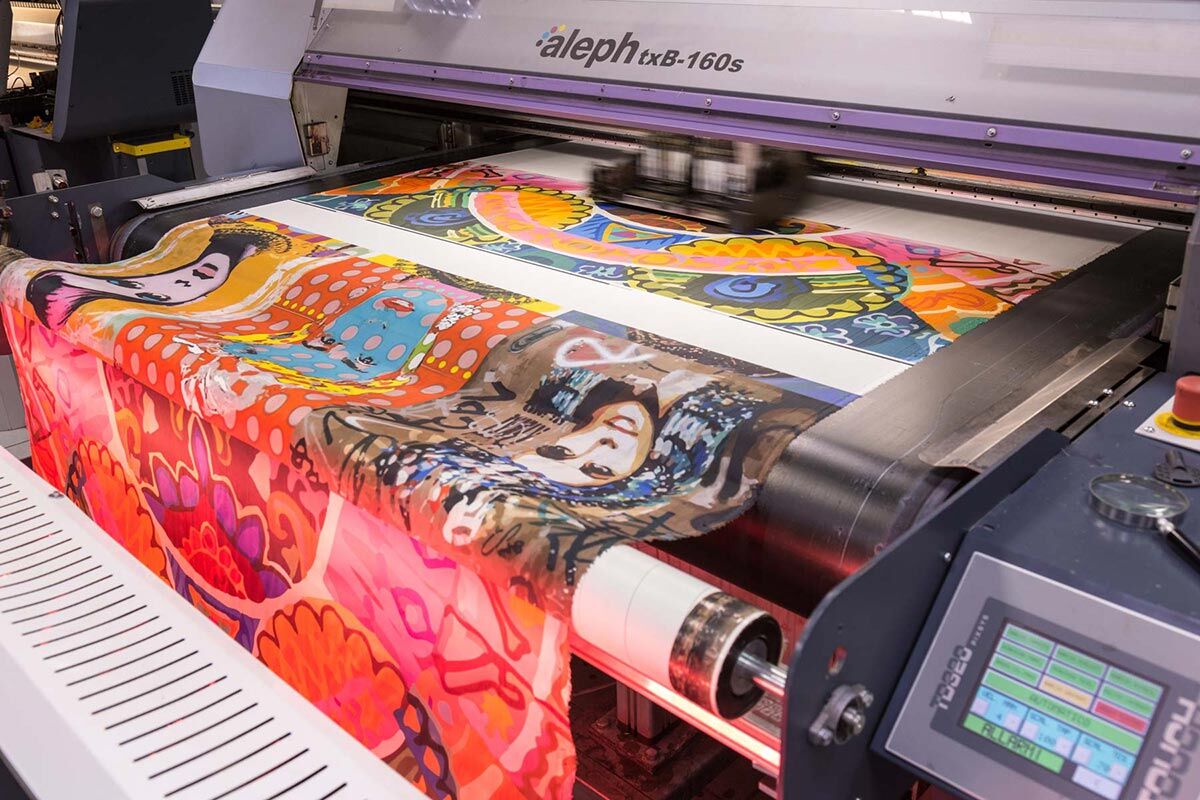
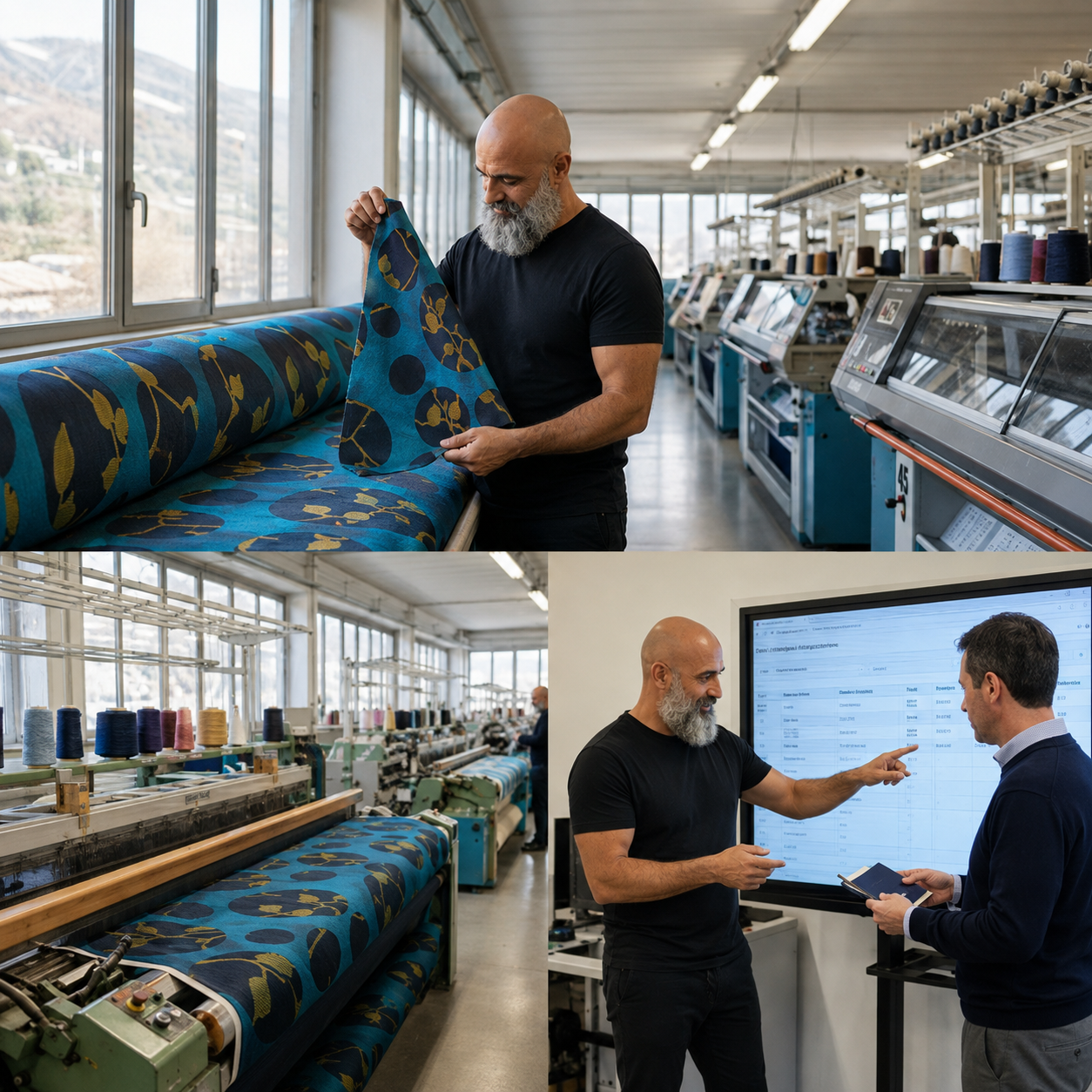
For high-end textile novelties, one article may require several complementary processes. The converter model allows each stage to be assigned to the specialist best suited to the required result, while the client continues to work through one coordinated ARNIA framework.
ESG Sustainability:
ARNIA’s status as a Type B non-profit social cooperative provides evidence of its governance and inclusive employment model. It does not automatically make a fabric, garment or supply certified or sustainable.
Certification and marketing-claim applicability are assessed article by article and lot by lot.
Material, process route, certified operators, technical MOQ, Chain of Custody, Transaction Certificate requirements, available documentation and the intended final claim must be validated before a certified pathway or marketing statement can be confirmed.
ARNIA does not simply introduce a fashion brand to a supplier and step away.
We remain actively involved in product development, process allocation, sampling, approvals, production monitoring, quality oversight, documentation, traceability and issue management throughout the agreed project route.
How ARNIA Selects and Monitors Production Partners
ARNIA selects production partners according to technical specialisation, production consistency, reliability, geographical proximity, quality history, legal and ethical compliance, documentation capability and — where required — the relevant certification scope.
Price and nominal production capacity are not the only selection criteria.
The selected production route is managed through agreed specifications, physical samples, approval points, progress monitoring, quality checks, documentation requirements, issue escalation and project-specific traceability.
ARNIA’s supply-chain governance includes due-diligence controls, ethical and legal requirements, quality monitoring and the collection of evidence required to verify consistency between what was ordered, what was produced and what may legitimately be communicated to the market.
Traceability Without Uncontrolled Disclosure
Responsible transparency does not mean publishing supplier identities, technical routes or specialist know-how indiscriminately.
ARNIA provides project-relevant information according to the legitimate purpose of the request, the stage of the project and the applicable certification, audit or regulatory requirement.
Sensitive supplier identities, process details, client designs and technical information are managed through NDA-based, purpose-limited and role-based disclosure.
Full identification may be provided under controlled conditions when required for certification audits, Transaction Certificates, regulatory review or agreed client due diligence.
This approach allows ARNIA to support legitimate traceability while protecting client intellectual property, specialist manufacturing knowledge and the competitive value of the Lombardy textile district.
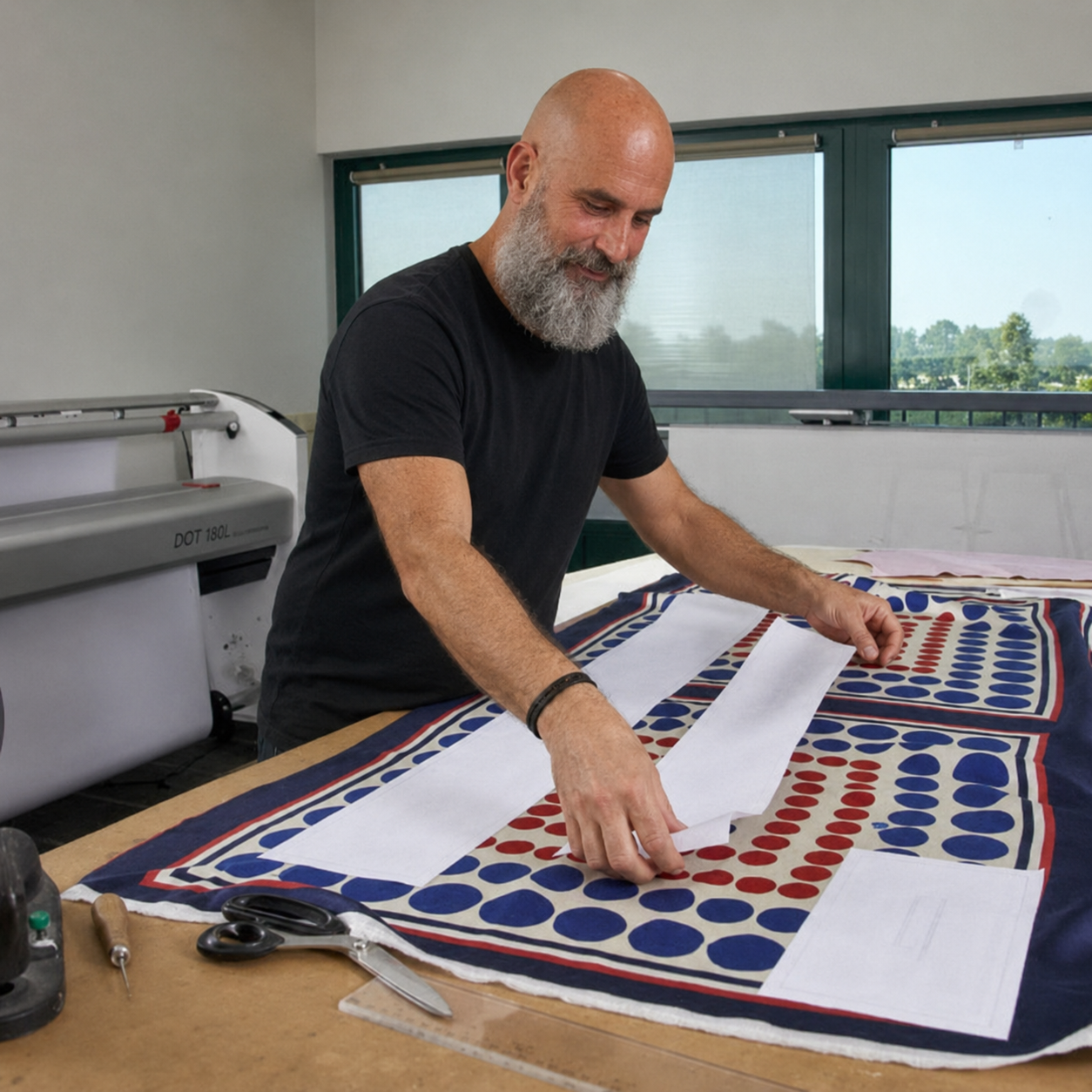
Textile Mill, Commercial Agent or Textile Converter?
| Role | Operating model |
|---|---|
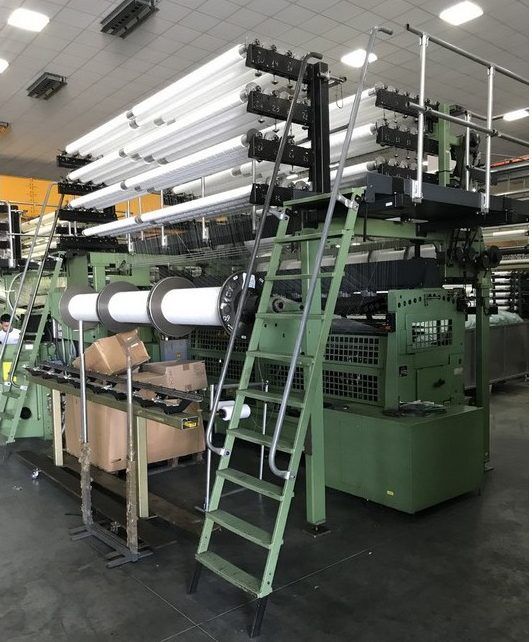
| Specialist textile mill | Owns and directly operates specific machinery and processes. It is particularly effective when the brief fits its technical set-up and production specialisation. |
| Commercial agent or broker | Primarily facilitates commercial access and supplier relationships. Technical development, monitoring and operational responsibility depend on the individual mandate. |
| ARNIA textile converter | Defines the production route, coordinates selected specialists, manages specifications and approvals, oversees quality and documentation, and remains the client’s accountable project interface for the agreed scope. |
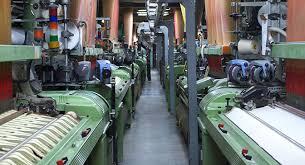
Distributed Manufacturing. Centralised Project Oversight.
Retained within ARNIA TEXTILE FASHION's management framework
Creative and technical brief analysis
Fabric and production-route development
Selection and allocation of specialist partners
Technical specifications and change control
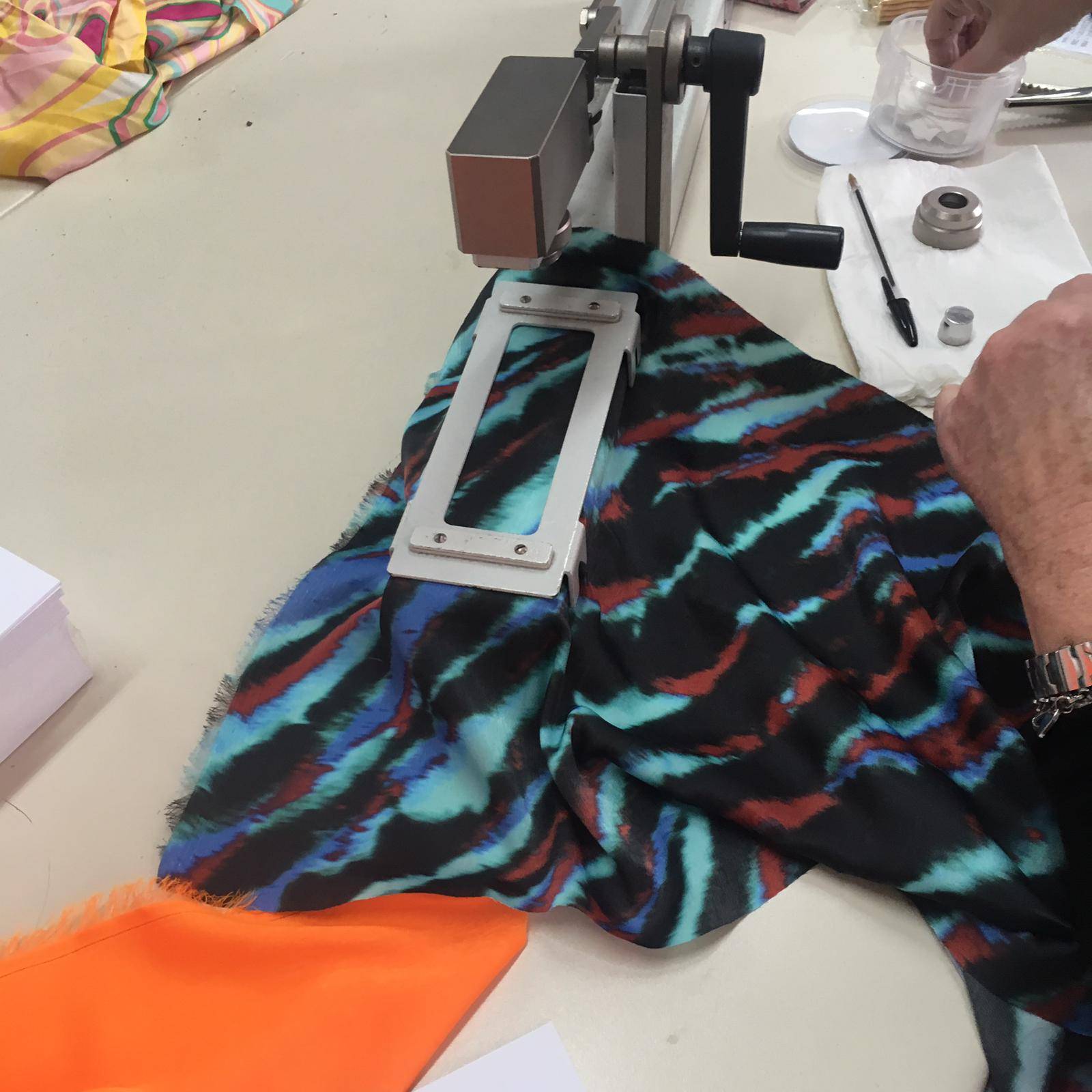
Sampling, lab dips, strike-offs and approval coordination
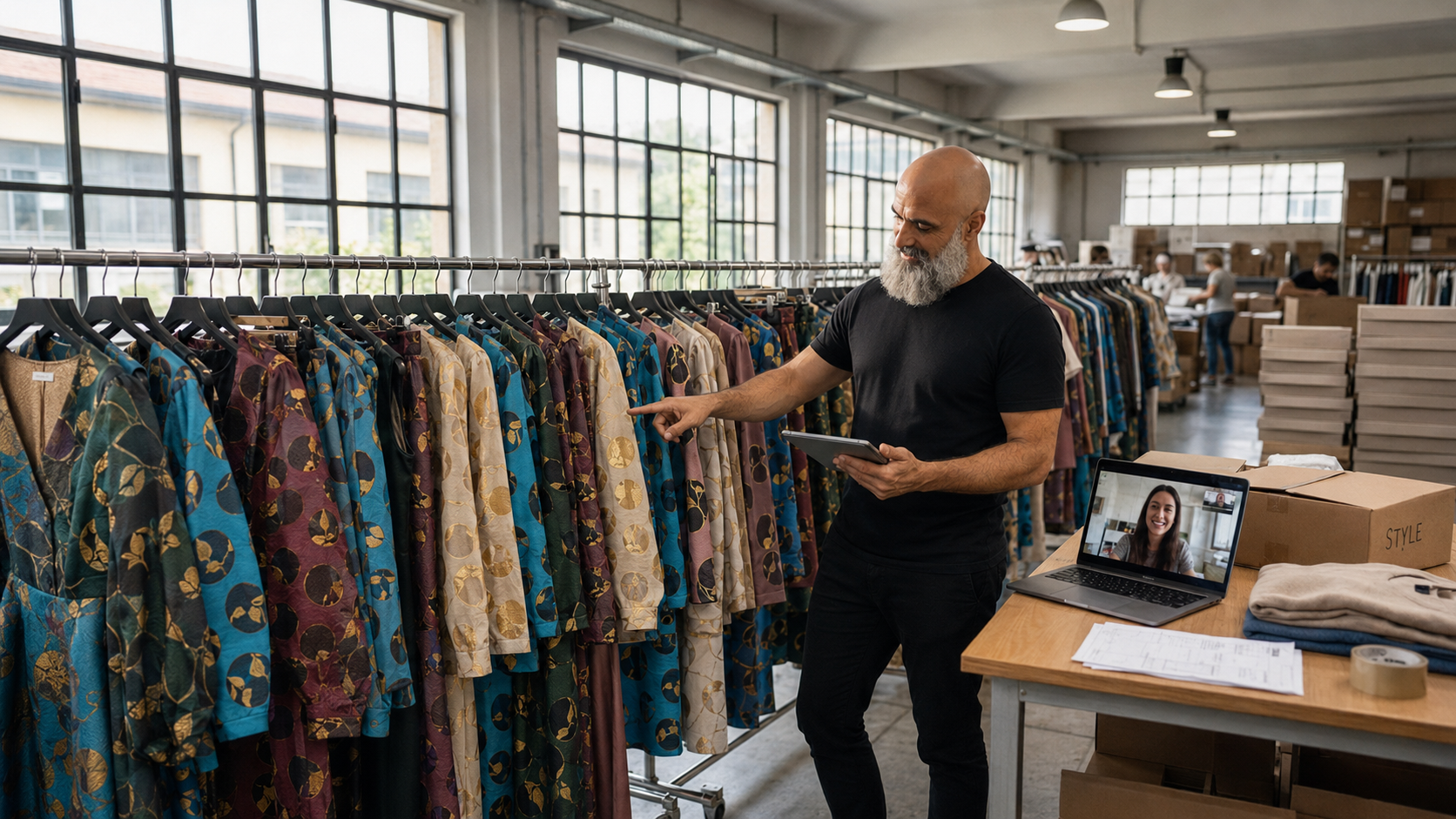
Production progress monitoring and issue escalation
Quality-control planning and oversight
Order-, article- and lot-specific documentation
Traceability and certification-pathway assessment
Client communication and approval records
Confidentiality, NDA and know-how protection
Performed by selected specialist production partners and independent laboratories
Yarn preparation and sourcing, where applicable
Weaving, knitting and jacquard production
Dyeing and finishing
Digital and screen printing
Embroidery and specialist surface processes
Devoré, lamination, pleating and other textile treatments
Laboratory testing, where required
Garment prototyping and manufacturing, when included in the project
The physical execution of specialist processes may take place at different selected facilities, including certified operators where required by the project.
Why the Lombardy Textile District Strengthens the Converter Model
The Lombardy Textile District is not a generic supplier base. It is a concentrated industrial ecosystem of complementary textile expertise.
Varese contributes cotton weaving, dyeing and industrial embroidery.
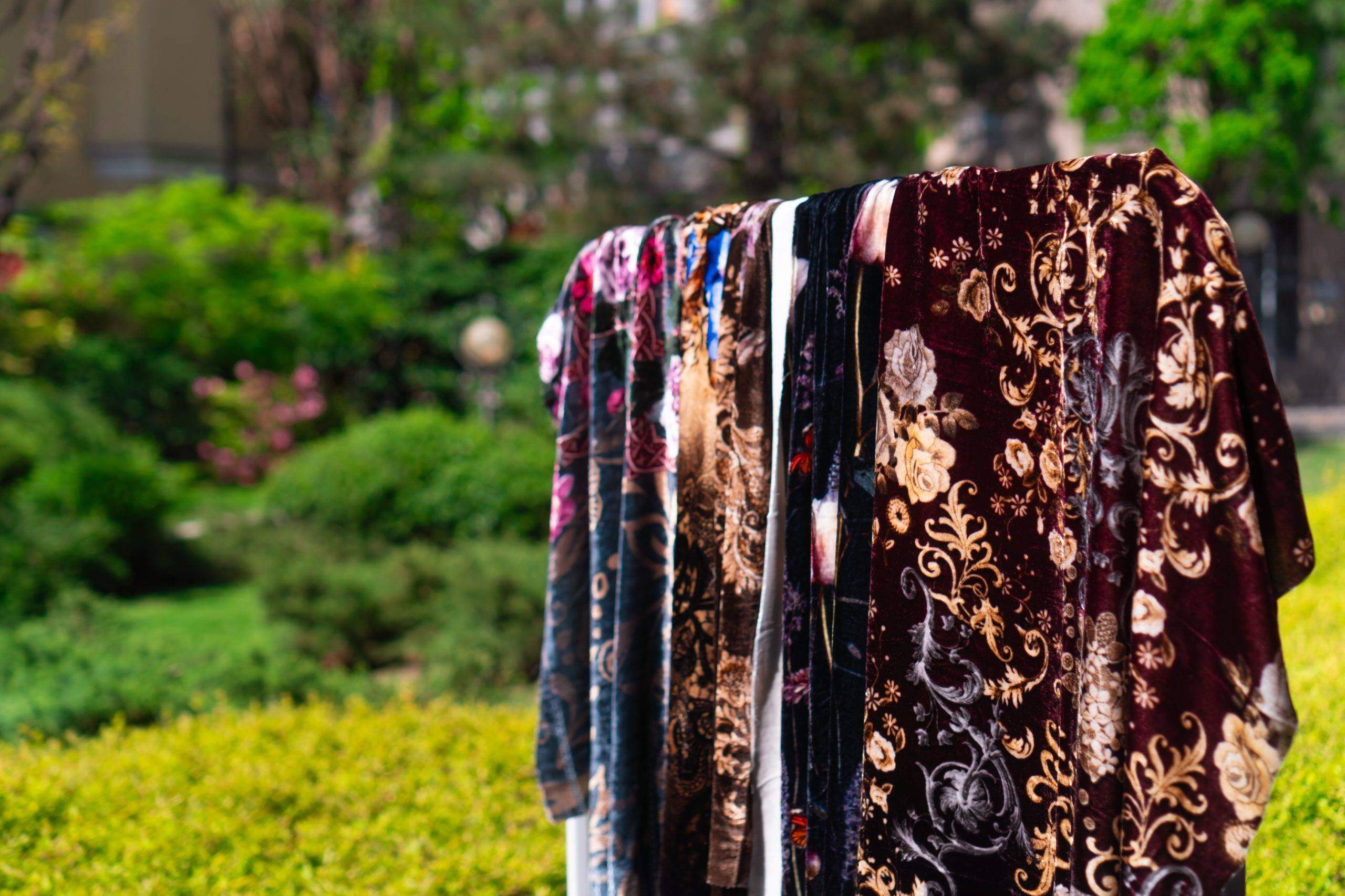
Como contributes silk, jacquard, printing and specialist finishing.
Milan contributes design, product development, prototyping, pattern development and garment production.
This proximity allows ARNIA to combine different skills within one project, maintain direct communication with production partners, review physical developments, intervene when technical issues arise and preserve specialist district know-how.
The objective is not to use the largest possible supplier network. It is to build the most appropriate, reliable and controllable production route for each project.
Why Fashion Brands Use the ARNIA Converter Model
The ARNIA converter model is designed for premium and luxury fashion brands that need more than access to a production facility.
It is particularly relevant when a project requires:
Distinctive or technically complex fabrics
Custom jacquard, print, embroidery or surface development
Several coordinated textile processes
A realistic route from sample to repeatable production
Project-specific traceability and documentation
Certification-boundary assessment
Protection of design, supplier and process know-how
One coordinated interface across several specialist production stages
The objective is not to add an intermediary between the brand and production.
The objective is to reduce fragmentation by placing textile development, specialist coordination, quality oversight, documentation and communication within one accountable project structure.
Specialist Processes Coordinated by ARNIA TEXTILE
- EMBROIDERY
- EMBROIDERY EMBOSSED
- EYELET EMBROIDERY / BRODERIE ANGLAIS
- FOILING
- HEAVY WEIGHT JACQUARDS
- JACQUARDS FIL COUPE
- JACQUARDS FURRY
- JACQUARD GOBELINE
- JACQUARDS
- LASER CUT & COLD CUT
- NEEDLE PUNCH
- PAILLETTES / SEQUINS
- PLEATING
- PRINT DIGITAL & ROTARY
- QUILTING
- SILK BURNOUT
- TAFFETAS
- TULLE
- VELVET BURNOUT
- VELVET DIGITAL PRINT
- VELVET JACQUARD
Specialist Processes Coordinated by ARNIA
Through its selected Lombardy production network, ARNIA coordinates
complementary textile processes according to the technical requirements
of each fabric, collection and production project.
- Jacquard , fil coupé and woven textile novelties
- Embroidery , eyelet embroidery, embossed embroidery
and applied surface effects - Digital, rotary and screen printing
- Devoré , velvet , taffeta, tulle, pleating and specialist finishing
- Custom fabric development and technical sourcing
- Cut & Sew and capsule production
when included in the agreed project scope
Availability, feasibility, minimum quantities, timing, pricing and certification pathways are confirmed project by project after technical review.
Evidence Behind the ARNIA Model
The ARNIA operating model is supported by publicly accessible corporate records, current certification documents, project-specific traceability controls, ethical governance tools and supply-chain due-diligence procedures.
- Legal Identity, Governance and Corporate Documents
Business registration, RUNTS status, corporate statute, internal regulations, whistleblowing policy, institutional audits, financial statements, social reports and ESG assessments. - Current Certifications and Scope Documents
Current GRS, GOTS and FSC® licence and scope references, validity dates, technical minimum quantities and certification boundaries. - Article- and Lot-Specific Traceability and Claim Boundaries
How material, article, production lot, Chain of Custody, Transaction Certificates, technical MOQ and intended marketing claims are evaluated before certification or claim eligibility is confirmed. - Code of Ethics, Values Charter and Governance Commitments
ARNIA’s governance framework for legality, human dignity, responsible work, confidentiality, anti-corruption, stakeholder conduct and evidence-based sustainability communication. - Lombardy Supply-Chain Due Diligence
District expertise and production proximity
combined with
supplier governance, traceability, monitoring and corrective-action controls
Evidence and documentation are project-specific. Certification, traceability and marketing-claim applicability are confirmed article by article and lot by lot, subject to the selected material, process route, technical MOQ, Chain of Custody, Transaction Certificate requirements and the agreed disclosure scope.
Have a Textile Brief, a Physical Reference or a Production Challenge?
Share the product category, intended use, expected quantity or metres, current development stage, target timing, price architecture and any traceability or certification requirements.
ARNIA will review the information and identify the most realistic development and production route for the agreed project scope.
SILKY
VELVETS
LACES & KNITS
VELVETS PRINTED DIGITAL
FAQ - ARNIA TEXTILE FASHION Textile Converter
Is ARNIA a textile mill?
ARNIA is not a single-process textile mill.
ARNIA is an Italian textile converter and production partner that coordinates selected specialist mills and workshops while retaining responsibility for project management, client communication, quality oversight, documentation and the agreed traceability process.
Does ARNIA outsource production?
Specialist manufacturing stages are assigned to selected production partners within the Lombardy textile ecosystem.
This is not passive outsourcing. ARNIA defines the production route, specifications, approval points and control requirements, monitors project progress and remains the client’s coordinated project interface.
Who controls quality?
Quality responsibilities, checkpoints and approval criteria are defined according to the individual project.
ARNIA coordinates physical approvals, production monitoring, quality checks, documentation and issue escalation within the agreed scope. Laboratory testing can be included when required.
How does ARNIA select production partners?
Partners are selected according to technical fit, reliability, production consistency, proximity, legal and ethical requirements, documentation capability and relevant certification scope where applicable.
Can ARNIA disclose the production supply chain?
Yes, where there is a legitimate due-diligence, certification, Transaction Certificate, audit or regulatory purpose.
Sensitive identities and technical information are disclosed under controlled conditions, normally through NDA-based and purpose-limited access.
Can every ARNIA fabric or garment be claimed as certified?
No.
Certification applicability depends on the individual material, article, production lot, certified operators, technical MOQ, Chain of Custody, Transaction Certificate requirements and the certification status of the parties involved.


