
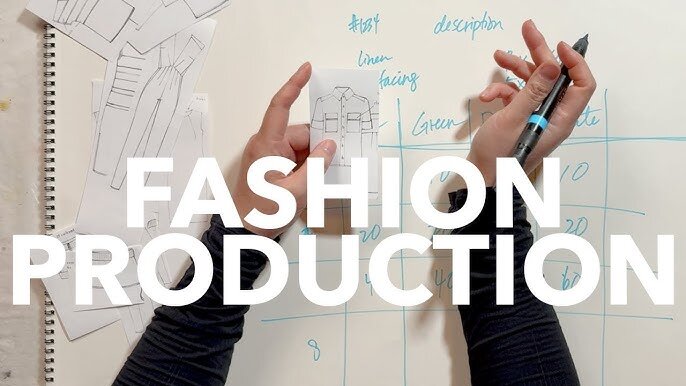
A practical checklist to help Fashion Production for startups in launch faster, reduce production risk, and protect brand reputation.
Made in Italy Fashion Production for Startups: From Vision to a Scalable Collection
A fashion startup doesn’t fail because the idea isn’t beautiful or interesting.
It fails because the idea can’t survive reality: deadlines, minimums, costs, quality control, and supply-chain credibility.
If you’re building a brand with limited runway, small teams, and big expectations, your first collection is not “just product.” It’s your first operational proof of trust.
At ARNIA TEXTILE FASHION, we support emerging and established brands with sustainable luxury textiles, a short and audited Italian supply chain, and Italian cut and sew services. This article is built for founders and startup Teams who need to move from concept to fashion production—without losing time, margin, or credibility.
Why fashion startups get stuck between “creative” and “ready to sell”
In a startup, every week matters. BUT fashion is full of hidden lead times and decision traps:
-
Sampling takes longer than expected
-
Fabric choices change the entire cost structure
-
Sustainability claims require documentation (not vibes)
-
Fit and industrialization often arrive too late
-
The supply chain becomes a reputational risk if you can’t prove it
In other words: fashion production in Italy can be your competitive advantage—if you run it like a system.
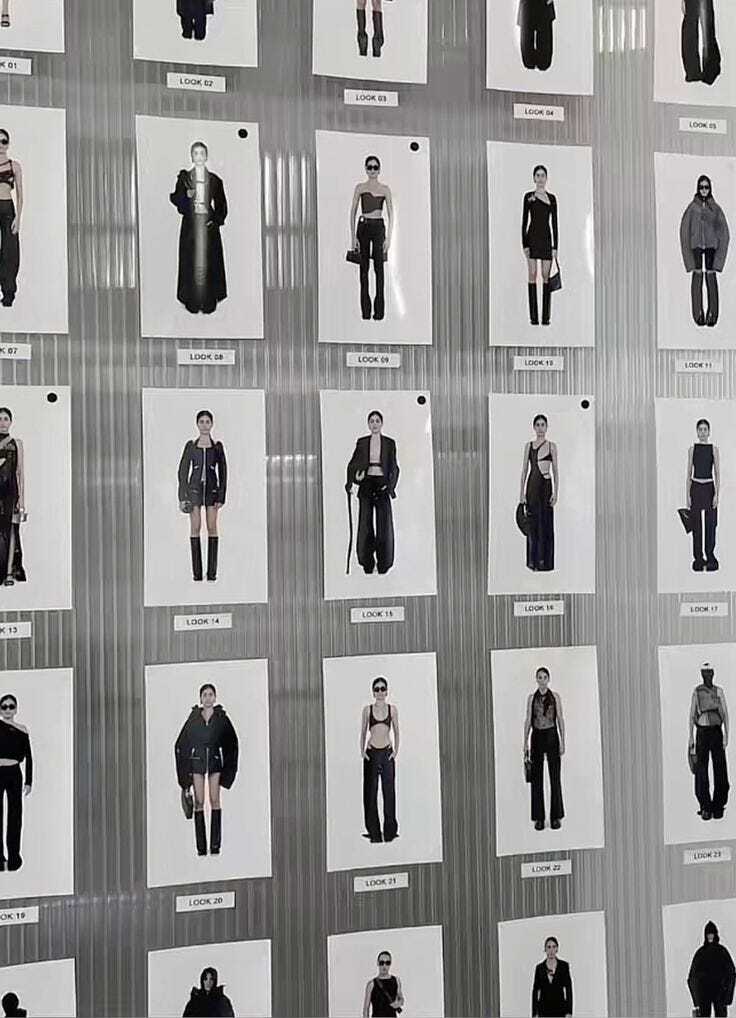
The startup-focused checklist: make your first collection manufacturable
Use this as a framework for fashion collection development (and share it with your co-founder, PM, or production partner).
1) Start with a “Minimum Viable Collection”
Startups don’t need 30 SKUs. They need 2–5 hero styles that are:
-
coherent with the brand positioning,
-
repeatable in production,
-
and strong enough to sell and validate demand.
A smaller range means:
-
fewer mistakes,
-
faster sampling cycles,
-
cleaner cash flow,
-
better storytelling (because you can focus).
2) Fabric sourcing is not shopping — it’s product engineering
Your fabric determines:
-
how the garment behaves in cutting and sewing,
-
shrinkage, pilling, color consistency,
-
finishing limits,
-
lead time and MOQ,
-
and what you can responsibly claim about sustainability.
If you’re building a premium positioning, start with a curated textile direction like Innovative Fashion Collections to accelerate decisions without compromising quality.
If sustainability is part of your pitch deck, treat fabric selection like a technical decision: fiber + process + documentation.
3) Your tech pack is your startup’s “source code”
A tech pack is not paperwork. It’s how you prevent expensive misunderstandings.
A solid tech pack includes:
-
measurements + tolerances,
-
stitching + finishing instructions,
-
bill of materials (BOM),
-
trims, labels, care, packaging,
-
grading / size specs,
-
construction details that are repeatable.
Without it, your sampling becomes improvisation—and improvisation burns runway.
4) Fashion Production – Industrialization: the moment startups become “real”
Many startup collections look great in a prototype but collapse in fashion production.
Industrialization validates:
-
construction time (minutes),
-
machine needs and feasibility,
-
critical risk points (fit, shrinkage, trims),
-
quality standards and tolerances,
-
repeatability at small/medium runs.
If your first drop is meant to scale, industrialization is not optional.
5) Time & Action planning: your calendar is a business tool
Startups often underestimate how far ahead fashion must be planned.
Build a Time & Action plan that includes:
-
fabric lead time,
-
lab dips / strike-offs (if needed),
-
prototyping + fitting rounds,
-
pre-production sample (PPS),
-
production,
-
QC,
-
packing and delivery.
Even a simple timeline forces clarity: what you can launch, when, and at what cost.
6) Sustainability: protect your startup from greenwashing risk
Founders often mean well and still make risky mistakes—especially with certifications.
If you use certified fabrics (e.g., GOTS / GRS / FSC / ECOVERO™), it’s essential to understand the difference between:
-
“made with certified fabric” (component-level claim), and
-
“certified garment” (product-level claim that depends on chain-of-custody and certification boundaries).
If you want a practical road-map to communicate responsibly and defend your brand reputation, use Sustainability Practical Guide.
7) The missing role in many startups: a production & sourcing “translator”
Most startup issues are not “creativity problems.” They’re coordination problems.
This is why the Textile Project Manager role matters:
someone who aligns textile sourcing, sampling, industrialization, production, quality, timelines, and documentation—so your team can move faster with fewer errors.
Where ARNIA helps fashion startups: speed, clarity, and supply-chain reliability
When you’re early-stage, you need partners who understand that:
-
MOQ must be compatible with real launch plans,
-
sampling must be structured (not chaotic),
-
quality must be consistent (because you don’t get a second first impression),
-
and sustainability must be traceable (because reputation is fragile).
If you need flexible fashion production in Italy
Explore Italian Cut & Sew Services — from prototype to small/medium production runs, built for brands that need reliability and repeatability.
If transparency is part of your brand promise
Start from:
If “slow fashion” is your positioning
Use slow fashion as an operating system (not a slogan): Slow Fashion Fabrics.

A practical startup launch checklist path (simple, realistic, effective)
If you’re preparing your first drop:
-
Pick 1 hero style (plus 1–2 supporting styles).
-
Define target price, margin, and expected MOQ.
-
Lock fabric + construction + performance requirements.
-
Build tech packs and a Time & Action plan.
-
Sample fast, test fit, confirm repeatability.
-
Communicate sustainability only with what you can prove.
You don’t need “perfect.”
You need repeatable, deliverable, and credible.
Ready to produce your first collection in Italy?
If you’re launching a capsule, a first drop, or scaling a proven product, ARNIA can support you with:
-
sustainable luxury textiles,
-
traceable supply chain options,
-
and Italian cut and sew services designed for emerging brands.
➡️ Contact ARNIA to discuss your timeline, target price, and MOQ.


