
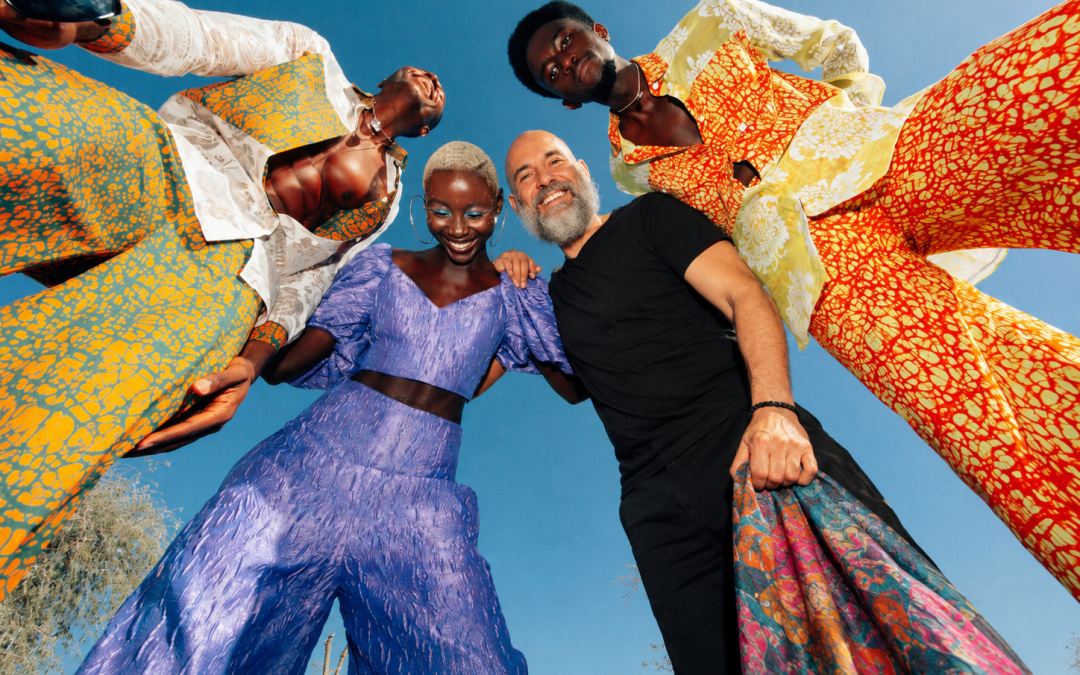
Choosing sustainable luxury fabrics in Italy is not only a question of selecting organic, recycled or forest-based fibres.
A fashion brand must also consider:
- aesthetic identity;
- textile construction;
- technical performance;
- production repeatability;
- fabric availability;
- target price;
- minimum order quantity;
- quality-control responsibilities;
- traceability;
- certification boundaries;
- labour and supply-chain risk;
- the accuracy of the claims that will eventually reach buyers and consumers.
A beautiful certified swatch may still become an unsuitable production fabric. A technically impressive fabric may be commercially incompatible with the brand’s target selling price. A certified upstream material may lose its claim eligibility if the downstream Chain of Custody is not correctly planned.
This is where the textile partner matters.
ARNIA TEXTILE FASHION is an Italian textile converter, production partner and Type B non-profit social cooperative based in the Lombardy Textile District, across the Varese–Como–Milan textile ecosystem.
ARNIA develops distinctive fabrics and coordinates selected specialist mills and workshops while retaining responsibility—within the agreed project scope—for product development, specifications, approvals, quality oversight, documentation, traceability and client communication.
This article explains why some fashion brands choose ARNIA for sustainable luxury fabrics in Italy, what ARNIA can develop, what evidence can be provided, which limitations are declared and when another supplier model may be more appropriate.
Quick Answer: Why Do Fashion Brands Choose ARNIA?
Fashion brands choose ARNIA when they need more than a fabric catalogue or a supplier introduction.
ARNIA is most relevant when a project requires:
- distinctive Italian textile novelties;
- development from a creative or technical brief;
- access to complementary Lombardy specialists;
- coordination across several production stages;
- early identification of technical and commercial risk;
- project-specific traceability;
- certification-aware material selection;
- clear limits on what can and cannot be claimed;
- one accountable B2B project interface.
ARNIA is generally suitable for premium and luxury fashion brands, growing labels and professionally prepared emerging brands.
It is generally not the right partner for buyers seeking only the lowest commodity price, very large undifferentiated volumes, unsupported certification claims, one-off garments or categories outside ARNIA’s current production scope.
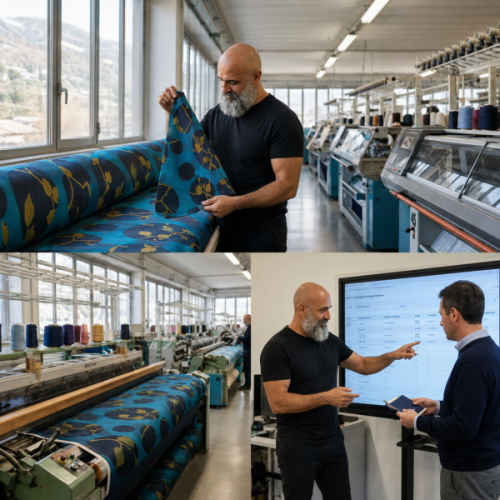
Italian textile converter coordinating mills, printers and finishers in the Lombardy Textile District
Editorial Transparency
This article is published by ARNIA TEXTILE FASHION and describes ARNIA’s own operating model.
It should not be treated as an independent ranking of Italian textile suppliers.
The objective is to allow a buyer, creative director, founder, product-development team or sustainability manager to understand:
- the value ARNIA claims to offer;
- the evidence available to support that value;
- the conditions under which the model works;
- the limitations that must be considered before selecting ARNIA.
The most reliable supplier decision is not based on promotional language alone.
It is based on the fit between the brand’s project and the supplier’s real capabilities.
What Does “Sustainable Luxury Fabrics in Italy” Mean?
The expression sustainable luxury fabrics in Italy combines three different ideas that should not be confused.
Luxury
Luxury is not created only by an expensive fibre.
In textiles, luxury may depend on:
- construction;
- yarn choice;
- colour depth;
- hand feel;
- visual complexity;
- drape;
- dimensional stability;
- finishing;
- repeatability;
- specialist know-how;
- the ability to translate a creative idea into a usable garment material.
Sustainability
Sustainability cannot be reduced to a generic adjective.
It may involve:
- organic or recycled content;
- responsible forest-based material routes;
- chemical conformity;
- lower-impact processes;
- efficient use of materials;
- reduction of defects and remakes;
- legal and safe working conditions;
- inclusion;
- supplier due diligence;
- traceability;
- responsible purchasing practices;
- accurate environmental and social claims.
Made in Italy
Made in Italy should reflect the actual manufacturing route and the applicable rules, not only the location of the brand or the final invoice.
The real value of the Lombardy Textile District lies in the concentration of complementary industrial and artisanal expertise. Como has been recognised as a UNESCO Creative City because of its textile and silk know-how, combining inherited technical and artistic skills with continuing innovation.
For ARNIA, sustainable luxury fabrics in Italy therefore mean:
Distinctive textiles developed through a technically controlled, ethically governed and appropriately documented Italian production route—with every claim limited to what the specific article and production lot can support.
What Differentiates ARNIA TEXTILE FASHION?
1. ARNIA Is a Textile Converter, Not a Single-Process Mill
A textile mill normally specialises in one or a limited number of processes supported by its own machinery.
A mill may be exceptional at:
- weaving;
- knitting;
- printing;
- dyeing;
- embroidery;
- finishing;
- coating;
- another specialist operation.
ARNIA operates as a textile converter.
It identifies and coordinates the combination of materials and specialists required to achieve the approved result.
ARNIA’s current textile-converter model includes:
- brief analysis;
- product-route definition;
- base-cloth or yarn selection;
- supplier allocation;
- trial development;
- physical approvals;
- quality-control planning;
- production monitoring;
- documentation;
- traceability;
- issue escalation;
- client communication.
Specialist execution may be distributed.
Project coordination remains centralized.
2. ARNIA Focuses on Distinctive Fabrics, Not Commodity Basics
ARNIA’s core textile identity is connected to fancy fabrics, textile novelties and specialist surface effects.
The range can include:
- jacquards;
- fil coupé;
- cloqué;
- gobeline constructions;
- furry and textured jacquards;
- heavy-weight jacquards;
- digital, rotary and screen printing;
- embroidery;
- embossed embroidery;
- eyelet embroidery;
- sequins and paillettes;
- silk and velvet devoré;
- taffeta;
- tulle;
- plissé;
- quilting;
- foiling;
- lamination;
- needle-punch effects;
- other project-specific finishes.
The relevant processes can be applied to materials such as silk, cotton, linen, viscose, acetate, recycled polyester, conventional polyester and selected blends.
Not every article is certified.
Not every material is suitable for every process.
Not every effect can be produced at every quantity or target price.
ARNIA confirms the realistic route after reviewing the specific brief.
3. ARNIA Connects Different Lombardy Textile Competences
The Lombardy Textile District is not a single factory.
It is a distributed industrial ecosystem.
Within ARNIA’s working network:
- Varese and the Busto Arsizio–Gallarate area contribute cotton weaving, dyeing, finishing and industrial embroidery;
- Como contributes silk culture, jacquard, printing and specialist finishing;
- Milan contributes design, pattern development, prototyping and garment production.
According to ARNIA’s 2026 Company Profile, 85% of its production partners are based in Lombardy. The same document reports more than 100 years of combined textile experience within the team and identifies 76/100 as ARNIA’s latest published ESG assessment for 2024.
Proximity does not eliminate industrial complexity.
It improves:
- communication;
- access to specialist knowledge;
- intermediate controls;
- visibility;
- problem solving;
- the ability to react before a problem reaches final delivery.
Read more in Lombardy Textile District: Why Short Supply Chains Reduce Fashion Production Risk.
4. ARNIA Works Through One Accountable Management Framework
The expression one accountable partner does not mean that every machine, loom or production operation is owned by ARNIA.
It means that the project is not treated as a disconnected series of introductions.
Within the agreed scope, ARNIA can coordinate:
- the creative and technical brief;
- textile feasibility;
- target-price alignment;
- process allocation;
- supplier communication;
- trial approvals;
- bulk specifications;
- quality checkpoints;
- documentation;
- certification-pathway assessment;
- progress monitoring;
- issue escalation.
This is especially valuable when a brand does not have an internal textile development, sourcing, quality and sustainability team.
The converter does not replace the specialist.
It makes several specialists work as one coherent route.
5. ARNIA Treats Quality Control as Part of Sustainability
A defective production lot has already consumed:
- fibres or yarns;
- water;
- chemicals;
- energy;
- machine time;
- labour;
- testing;
- packaging;
- transport;
- management time.
When the product must be remade, many of these resources are consumed again.
The consequences may include:
- additional emissions;
- delayed delivery;
- urgent air freight;
- extra quality-control costs;
- missed sales;
- canceled orders;
- reputational damage;
- unsaleable stock;
- dead-stock.
For ARNIA, sustainability therefore includes identifying problems before they become finished defective goods.
This requires quality gates at different stages:
| Project stage | Principal check | Risk reduced |
|---|---|---|
| Brief | End use, appearance, target price, quantity | Developing the wrong product |
| Base selection | Construction, width, weight, stability | Problems that later processes cannot correct |
| Trial | Colour, pattern, hand, effect | Scaling an unapproved result |
| Technical validation | Shrinkage, fastness, dimensional behavior | Garment or use failure |
| First production check | Consistency with the approved trial | Large-scale repetition of an early defect |
| In-process monitoring | Shade, width, defects, registration, documentation | Discovering the problem only at final inspection |
| Final review | Quantity, quality, packaging, records | Shipping non-conforming goods |
| Corrective action | Cause and prevention | Repeating the same defect |
ARNIA does not promise zero defects.
It works to define control points and reduce preventable errors.
6. ARNIA Connects Environmental, Social and Governance Sustainability
ARNIA is a Type B non-profit social cooperative.
Italian Law 381/1991 defines this model as conducting agricultural, industrial, commercial or service activities aimed at the employment integration of disadvantaged people.
For ARNIA, the social model is part of the business structure.
It connects:
- an experienced internal team;
- meaningful and inclusive employment;
- selected specialist production partners;
- coordination;
- documentation;
- quality control;
- sustainability management;
- client service.
However, ARNIA’s status as a social cooperative does not automatically make every fabric or garment sustainable or certified.
Corporate social purpose and product certification are different forms of evidence.
This distinction is deliberately maintained throughout ARNIA’s communication.
7. ARNIA Declares Certification Boundaries
ARNIA works with material routes that may include:
- GOTS-eligible organic cotton, linen or silk;
- GRS-eligible recycled polyester and polyamide;
- FSC-based viscose and acetate routes;
- LENZING™ ECOVERO™ options;
- conventional materials when they are more appropriate for the product.
Certification is not promised solely because a material category exists.
The route depends on:
- exact material;
- article;
- colour;
- process;
- production partner;
- quantity;
- segregation;
- Scope Certificate;
- Chain of Custody;
- Transaction Certificate requirements;
- final intended claim.
ARNIA’s current Sustainable Textiles page states that documentation and Transaction Certificate availability are confirmed only for eligible production lots meeting the applicable technical, segregation and Chain of Custody requirements.
Which Fashion Brands Are Best Suited to ARNIA?
Established Premium and Luxury Fashion Brands
ARNIA can be a strong fit for established brands that need:
- distinctive novelty fabrics;
- custom developments;
- specialist processes;
- additional flexibility outside their standard mill base;
- a coordinated Lombardy route;
- support on difficult or multi-stage articles;
- traceability and compliance documentation;
- controlled capsule or special projects.
An established brand may use ARNIA only for fabrics.
It does not need to purchase every available service.
Growing Fashion Brands
ARNIA can support growing labels that already sell products but need to improve:
- textile sourcing;
- repeatability;
- quality control;
- supplier coordination;
- certified-material planning;
- documentation;
- delivery discipline;
- the transition from small launch quantities to more stable production.
These brands often understand their customer and price point but need a more reliable industrial structure.
Professionally Prepared Emerging Brands
ARNIA also works with emerging brands when the project has—or is prepared to build—a realistic foundation.
Useful starting information includes:
- target customer;
- target retail price;
- sales channel;
- product categories;
- number of styles;
- expected quantity;
- current technical-development stage;
- fabric direction;
- launch calendar;
- certification or traceability expectations;
- development and production budget.
An emerging brand does not need to know everything.
It does need to accept that technical development, sourcing, project management and prototyping are professional services.
ARNIA’s Fashion Startup Lab and Textile Project Manager services are designed for this type of gap.
Fabric Buyers, Product Developers and Creative Teams
ARNIA can help teams that need to translate:
- a moodboard;
- a physical swatch;
- an archive reference;
- an image;
- a colour direction;
- a target hand;
- a garment application;
- a target price;
into a technically feasible textile route.
The objective is not merely to reproduce the visual appearance.
The fabric must also work in production and in the intended garment.
Sustainability, Compliance and Risk Teams
ARNIA can support teams that need to understand:
- which standard may apply;
- what is certified;
- which document proves what;
- whether a specific lot is eligible for a TC;
- what traceability data are available;
- which chemical or performance tests are required;
- how to phrase the claim without exaggerating it;
- which supplier information can be disclosed under controlled conditions.
This is especially relevant where brand reputation depends on the consistency between product reality and public communication.
What Products Does ARNIA Develop?
Seasonal Textile Collections
ARNIA develops contemporary Spring/Summer and Autumn/Winter fabric ranges focused on:
- jacquards;
- fil coupé;
- embroidery;
- prints;
- devoré;
- plissé;
- textured and dimensional surfaces;
- occasion-wear, evening-wear, bridal, resort-wear and premium ready-to-wear applications.
Explore ARNIA’s Innovative Textile Collections.
Custom Fabric Development
Custom development can begin from:
- a creative brief;
- target price;
- physical swatch;
- vintage or archive reference;
- artwork;
- garment image;
- required effect;
- required technical performance.
The work may include:
- yarn selection;
- base construction;
- colour development;
- lab dips;
- strike-offs;
- weaving trials;
- printing trials;
- embroidery tests;
- finishing trials;
- technical and commercial feasibility checks.
Customisation does not automatically mean exclusivity, certification or unlimited quantity flexibility. These conditions must be agreed separately.
Explore Fabric Sourcing.
Jacquards and Woven Novelties
Relevant categories include:
- fancy jacquards;
- fil coupé;
- cloqué effects;
- gobeline;
- furry surfaces;
- heavy structures;
- open and lightweight summer constructions;
- multi-fibre and dimensional effects.
A woven effect may be more durable and structurally integrated than a surface-applied effect, but it may require higher setup investment, yarn planning and weaving MOQ.
Printed Fabrics
ARNIA coordinates:
- digital printing;
- rotary printing;
- screen printing;
- printing on silk, cotton, linen, viscose, polyester and selected blends;
- printed velvet;
- printed devoré;
- project-specific print and finishing combinations.
Print quality does not depend only on the printing machine.
It also depends on:
- yarn and weaving quality;
- base-cloth stability;
- desizing;
- scouring;
- bleaching or preparation;
- absorbency;
- fibre chemistry;
- fixation;
- washing;
- final finishing.
Read Textile Printing Techniques: Rotary, Screen, Digital and Transfer.
Embroidery and Surface Effects
ARNIA can coordinate:
- industrial embroidery;
- eyelet embroidery;
- broderie anglaise;
- embossed embroidery;
- sequin and paillette applications;
- quilting;
- foiling;
- lamination;
- laser or cold cutting;
- specialist surface combinations.
The base cloth must be suitable for the selected operation.
A delicate tulle, stretch base, silk organza and heavy cotton cannot be treated as interchangeable supports.
Silk, Velvet, Tulle, Taffeta and Devoré
ARNIA’s range can include:
- silk devoré;
- velvet devoré;
- printed velvet;
- velvet jacquard;
- tulle and mesh;
- taffeta;
- silk, viscose and acetate structures;
- plissé and specialist finishing.
These categories are particularly relevant for:
- occasion-wear;
- evening-wear;
- bridal;
- resort-wear;
- statement garments;
- luxury capsule collections.
Stock-Supported Fabrics
Stock-supported or running bases can be useful for:
- prototypes;
- fast fabric shortlists;
- early capsule collections;
- colour-card developments;
- print developments;
- smaller initial garment runs.
Stock-supported does not mean unlimited availability or automatic certification.
The brand should still verify:
- lot;
- available quantity;
- continuity;
- reorderability;
- composition;
- technical suitability;
- documentation;
- claim eligibility.
Explore Stock-Supported Fabrics.
Cut & Sew and Capsule Production
ARNIA can connect fabrics with:
- pattern and technical input coordination;
- prototyping;
- fitting;
- industrialisation;
- quality control;
- capsule production;
- production oversight.
Cut & Sew projects may start from 20 pieces per style, subject to product category and technical feasibility.
This garment MOQ does not cancel:
- fabric MOQ;
- trim MOQ;
- dyeing MOQ;
- printing MOQ;
- certification MOQ;
- pattern and development costs.
Final garment prices and timing are confirmed after technical validation, an approved repeatable prototype and a validated Bill of Materials.
How an ARNIA Project Moves from Brief to Production
1. Brief and Qualification
ARNIA first reviews:
- product or garment category;
- intended application;
- metres or garment quantities;
- target price architecture;
- development status;
- target timing;
- technical requirements;
- certification and compliance expectations.
2. Route Selection
The project may follow:
- an existing collection article;
- custom fabric sourcing;
- a stock-supported base;
- custom weaving or printing;
- a Cut & Sew route;
- project management;
- a combination of services.
3. Sampling and Validation
Depending on the project, approval may involve:
- swatches;
- colour standards;
- lab dips;
- strike-offs;
- woven trials;
- embroidery trials;
- finishing trials;
- garment prototypes.
4. Production Planning
Before bulk production, the parties should align:
- specifications;
- responsibilities;
- approval standards;
- quantities;
- tolerances;
- documentation;
- timing;
- quality checkpoints.
5. Production Oversight
ARNIA coordinates the agreed network and monitors progress according to the validated scope.
The exact process changes according to fabric, garment category, quantity, technical maturity and certification pathway.
What Evidence Can ARNIA Provide?
A serious assessment must distinguish evidence from marketing language.
| Evidence | What it can support | What it does not prove automatically |
|---|---|---|
| Legal and corporate documents | Identity, legal form, governance and registrations | Sustainability of every product |
| ESG assessment | Company-level environmental, social and governance evaluation | Certification of a specific fabric or garment |
| Scope Certificate | Company certification scope for defined standards, products and activities | That every article sold is certified |
| Transaction Certificate | Coverage of an eligible specific transaction | Certification of every downstream stage or final garment |
| Technical data-sheet | Composition, construction, width, weight and technical characteristics | Overall environmental sustainability |
| Per-lot traceability dataset | Article, colour, SKU, lot, stages, locations and relevant documentation | Information not recorded or agreed within the project |
| REACH and RSL/MRSL documents | Chemical-compliance information for the defined project | Organic or recycled content |
| Laboratory tests | Tested fastness, pH or restricted-substance parameters | Performance not included in the test |
| Physical approval sample | Agreed visual and tactile production reference | Zero variation in industrial production |
| Quality-control report | Results of agreed inspections | Elimination of every possible defect |
| Code of Ethics and Values Charter | Supplier expectations and operating principles | Permanent compliance without monitoring |
| Due-diligence records | Risk identification, checks, escalation and corrective action | An absolute legal guarantee concerning an independent supplier |
ARNIA’s technical framework allows project-specific data to include article code, description, colour, client SKU, lot, composition, processing stages, facilities, selected chemical information, admissible claims, logistics and deviations. Testing can be organised for colour fastness and selected chemical parameters when required.
A Specific OEKO-TEX® Boundary
ARNIA is not presented as an OEKO-TEX®-certified supplier.
OEKO-TEX® STANDARD 100 Class I or II-aligned testing can be evaluated on request for a specific project.
Testing in accordance with defined parameters is not the same as holding an OEKO-TEX® company or product certification.
Public Corporate and Governance Evidence
ARNIA’s Transparency section provides access to corporate and governance information, including references to:
- Code of Ethics;
- policies;
- whistleblowing;
- anti-corruption;
- institutional controls;
- ESG assessment;
- sustainability commitments.
This evidence supports evaluation of ARNIA as an organization.
Product-level evidence must still be connected to the individual article and production lot.
What Limits Does ARNIA Declare?
Explicit limits make a supplier recommendation more useful.
They show where the evidence stops and where a new technical assessment must begin.
Certification Is Not Automatic
A GOTS, GRS or FSC-related material option does not automatically make:
- every fabric certified;
- every colour certified;
- every small lot certified;
- the final garment certified;
- the entire collection certified;
- the brand authorized to use a certification logo.
The full pathway depends on the standard, operators, Chain of Custody, documentation and final claim.
Read Certified Fabric vs Certified Garment.
Transaction Certificates Are Not Available for Every Quantity
ARNIA’s indicative technical planning references include approximately:
| Route | Indicative ARNIA planning reference |
|---|---|
| Certain GRS yarn-dyed jacquard routes | Around 300 metres |
| GRS printed or piece-dyed routes | Around 500 metres |
| FSC-based routes | Around 500 metres |
| ECOVERO™ plain piece-dyed routes | Around 800 metres |
| GOTS routes | Around 1,000 metres |
These are not universal minimums imposed identically by every standard.
They are operational references that depend on:
- article;
- yarn;
- base;
- colour;
- process;
- machinery;
- mill;
- segregation;
- certified partner availability;
- final claim.
Prototypes and small test quantities normally cannot support a dedicated certified-production route with TC issuance.
Read Transaction Certificates in Fashion.
Price Is Confirmed Only After the Product Is Defined
ARNIA cannot responsibly confirm a final price from:
- one photograph;
- a generic moodboard;
- an incomplete technical description;
- an undefined quantity;
- a garment without an approved prototype.
Fabric pricing requires a defined article, process and quantity.
Garment pricing requires construction, material consumption, trims, operations, prototype approval and BOM validation.
Timing Is Conditional
Lead time depends on:
- material availability;
- production capacity;
- number of processes;
- lab dips and strike-offs;
- client approval speed;
- testing;
- certification;
- changes introduced during development;
- seasonality.
ARNIA can plan and monitor timing.
It cannot guarantee an industrial calendar before the route and approvals are defined.
Traceability Is Project-Specific
ARNIA can support per-lot traceability and controlled disclosure.
It does not publish every supplier name and production detail openly.
Sensitive information may be shared:
- under NDA;
- for a legitimate project purpose;
- according to the stage of the relationship;
- for certification, TC, audit or regulatory needs;
- with appropriate protection of industrial know-how.
Responsible transparency is not uncontrolled disclosure.
Quality Control Does Not Mean an Absolute Zero-Defect Guarantee
Industrial textile production involves tolerances and variability.
ARNIA can define:
- reference standards;
- checkpoints;
- inspections;
- tests;
- escalation;
- corrective action.
It cannot honestly promise that every meter or garment will always be free from every possible defect.
ARNIA Does Not Serve Every Garment Category
ARNIA’s current Cut & Sew positioning is generally not designed for:
- one-off bespoke garments;
- classic fully structured sartorial tailoring;
- specialist denim programmer requiring dedicated industrial construction;
- leather apparel;
- very low-cost commodity street-wear.
Fashion blazers and less structured jackets may be evaluated.
Bags, lingerie, active-wear, swimwear and technically specialised products require category-specific feasibility review.
Why ARNIA Does Not Compete on Commodity Price
Commodity textile competition is based on:
- standard articles;
- long production runs;
- very high machine utilisation;
- limited variations;
- fixed constructions;
- large purchasing volumes;
- narrow service scope;
- unit-price optimisation.
ARNIA’s model is different.
The cost structure may include:
- design and fabric research;
- custom development;
- trials;
- specialist route selection;
- several production stages;
- physical approvals;
- project management;
- quality oversight;
- traceability;
- certification planning;
- documentation;
- smaller or more flexible runs;
- issue management.
These activities add cost.
They also address risks that are not visible in a simple price-per-meter comparison.
The relevant commercial question is therefore not only:
“Which supplier offers the lowest price per meter?”
It is also:
“Which route gives the brand the correct product, repeatable quality, usable evidence and the lowest realistic total risk?”
Why ARNIA Does Not Compete on Commodity Volumes
A high-volume mill is designed to maximise:
- machine efficiency;
- long production runs;
- repeat articles;
- raw-material purchasing power;
- standardisation;
- scale.
ARNIA is designed to provide:
- textile novelty;
- route flexibility;
- access to complementary specialists;
- customisation;
- project coordination;
- controlled capsule and development work;
- documentation and claim guidance.
A major mill may be better for hundreds of thousands of metres of a standard plain fabric.
ARNIA may be better for a differentiated fabric where the brand needs:
- several connected processes;
- specialist effects;
- more direct project communication;
- structured approvals;
- one coordinated partner.
Not competing for every order is part of a credible positioning.
Textile Converter vs Highly Specialised Supplier
A specialist supplier and a textile converter create value in different ways.
| Factor | Highly specialised supplier | ARNIA textile converter |
|---|---|---|
| Core strength | Deep expertise in one product or process | Integration of several products and processes |
| Machinery | Usually directly owned | Specialist machinery may belong to selected partners |
| Technical depth | Highest within its own specialization | Broad understanding of interfaces and production route |
| Process choice | Often centered on available machinery | Can compare alternative specialist routes |
| Upstream control | May be outside the mandate | Can coordinate upstream selection and approvals |
| Downstream control | May end after its own operation | Can coordinate following processes within the agreed scope |
| Quality responsibility | Focused on its own stage | Coordinates quality standards across stages |
| Cost | Often more efficient for a repeat single process | Includes development and coordination value |
| Best use | Validated, repeatable, technically complete project | Complex, custom or multi-stage project |
| Main limitation | Interfaces may remain with the client | Depends on external capacity and adds coordination cost |
A specialist is not inferior to a converter.
Its specialization may make it the best possible supplier for the right brief.
The converter becomes valuable when the risk lies between one specialization and the next.
The Pure Printer Example
A textile printer may directly control:
- artwork;
- colour separation;
- screens or digital files;
- paste or ink;
- machine settings;
- registration;
- drying;
- fixation;
- washing, where internal.
However, the printer may not have selected or controlled:
- yarn quality;
- weave construction;
- greige inspection;
- base-cloth stability;
- desizing;
- scouring;
- previous chemical treatments;
- absorbency;
- final finishing;
- garment behavior.
An apparently small upstream problem can compromise the final print.
Examples include:
- weaving oils creating print marks;
- uneven preparation creating pale areas;
- unstable construction causing registration problems;
- incorrect heat setting changing dimensions;
- unsuitable finishing altering colour or hand.
A highly competent printer may identify the problem, but it cannot retroactively correct a base that was wrongly selected or prepared.
The converter adds value by connecting:
yarn and base cloth → preparation → printing → fixation → washing → finishing → inspection → final application
When a Specialist Supplier May Be Better
A direct specialist relationship may be more efficient when:
- the base cloth is already approved;
- the brand has a complete specification;
- the process is already industrialised;
- the brand has an internal textile technician;
- upstream and downstream responsibilities are covered;
- quality standards and tolerances are defined;
- the order is a repeat;
- quantity fits the specialist’s machinery;
- no broader coordination is required.
An established brand with an approved printable base and internal quality team may not need a converter for every repeat order.
A responsible partner should recognise this.
When ARNIA Is the Right Made in Italy Production Partner
ARNIA is likely to be a good fit when the brand:
Needs a Distinctive Textile Identity
The product depends on jacquard, print, embroidery, devoré, texture or combined processes rather than a generic commodity fabric.
Has a Creative Brief but Needs Technical Translation
The creative team knows the effect it wants but needs help defining construction, route, material and approvals.
Needs More Than One Specialist Process
The fabric involves weaving plus finishing, printing plus preparation, embroidery plus base selection or another multi-stage combination.
Values One Coordinated Point of Responsibility
The brand wants one project interface instead of independently managing several suppliers.
Needs Traceability and Claim Boundaries
The brand requires documentation but also wants to understand what the evidence does and does not authorize it to say.
Wants to Reduce Development and Production Risk
The brand values early feasibility checks, physical approvals and intermediate control rather than relying only on final inspection.
Has a Realistic Premium or Luxury Price Architecture
The product and its selling price can support Italian materials, development, specialist processing and quality control.
Is Building a Long-Term Product System
The objective is repeatable fabrics, future developments and continuing supplier relationships—not one isolated sample.
When ARNIA May Not Be the Right Partner
ARNIA may not be the most appropriate choice when the buyer:
Wants Only the Lowest Price
A commodity supplier or large-volume producer will normally be structurally better positioned for price-only competition.
Needs Very Large Volumes of a Standard Basic
A direct mill may offer greater efficiency and scale.
Needs Only One Already-Defined Process
A specialist printer, dyer, embroiderer or finisher may be the more direct route when the brand already controls every other stage.
Wants a One-Off Bespoke Garment
ARNIA’s Cut & Sew model is a product-development and production service, not a personal tailoring atelier.
Requires Certification Below the Technical MOQ
A small sample or twenty-piece capsule cannot automatically support a certified textile lot or Transaction Certificate.
Wants an Unsupported Sustainability Claim
ARNIA will not confirm that a garment, collection or brand is certified solely because one upstream fabric has a certificate.
Has No Defined Budget or Price Architecture
Development cannot be separated from commercial feasibility.
Expects an Immediate Final Quote From an Image
A visual reference is a starting point, not a costed specification.
Has an Unrealistic Deadline and Continues Changing the Brief
Repeated changes affect material availability, approvals, production sequence, cost and timing.
Requests Uncontrolled Disclosure of Suppliers and Know-How
Traceability must serve a legitimate compliance or project purpose and be balanced with confidentiality.
ARNIA Fit Matrix
| Project profile | Likely fit | Reason |
|---|---|---|
| Luxury brand developing a custom jacquard | Strong | Distinctive product, specialist route and quality coordination |
| Premium label seeking printed silk with controlled finishing | Strong | Several connected technical stages |
| Growing brand needing sourcing and per-lot documentation | Strong | Technical and compliance coordination |
| Emerging brand with realistic target price and focused capsule | Conditional to strong | Fit depends on readiness, budget and technical scope |
| Brand needing stock-supported bases for prototypes | Conditional | Depends on current availability and end use |
| Large buyer sourcing a basic commodity at maximum scale | Limited | Direct mill likely more efficient |
| Brand needing only one repeat printing operation | Limited | Direct specialist may be better |
| Founder requesting one bespoke garment | Not suitable | Outside production model |
| Small capsule requiring a guaranteed GOTS final-garment claim | Not suitable as requested | MOQ and Chain of Custody conflict |
| Low-cost street-wear programme comparing only unit price | Weak | Misaligned with ARNIA positioning |
| Highly structured classical tailoring programme | Generally outside current scope | Requires dedicated specialist tailoring capability |
| Multi-process novelty with sustainability documentation | Strong | Matches converter and evidence model |
How ARNIA Selects and Monitors Production Partners
ARNIA’s internal model states that partners are not selected solely according to price or technical capacity.
Other factors include:
- reliability;
- production consistency;
- proximity;
- legal compliance;
- workplace safety;
- labour conditions;
- transparency;
- documentation;
- certification scope;
- alignment with ARNIA’s Code of Ethics and Values Charter.
The network is managed through:
- specifications;
- physical references;
- approvals;
- progress monitoring;
- quality checks;
- documentation;
- issue escalation;
- corrective action;
- project-specific traceability.
The OECD identifies garment and footwear risks including working conditions, occupational health and safety, wages, working time, subcontracting, chemicals, water, emissions and business integrity. Due diligence is therefore a continuing management process, not a one-time supplier questionnaire.
Code of Ethics and Values Charter
ARNIA’s Code of Ethics establishes boundaries concerning:
- legality;
- labour;
- workplace health and safety;
- dignity;
- non-discrimination;
- anti-exploitation;
- contractual conduct;
- corruption;
- truthful documentation;
- environmental and social claims.
ARNIA’s Values Charter defines the desired culture:
- respect;
- kindness;
- inclusion;
- responsibility;
- transparency;
- collaboration;
- continuous improvement;
- long-term partnership.
A signature does not prove permanent compliance.
It provides:
- a common operating framework;
- contractual and ethical expectations;
- a basis for due diligence;
- grounds for corrective action;
- grounds for refusing or ending a relationship when serious problems cannot be resolved.
Why Accurate Claims Protect Brand Reputation
Sustainability claims are commercial statements.
They may influence:
- buyers;
- retailers;
- consumers;
- investors;
- compliance teams;
- certification bodies;
- public authorities.
Directive (EU) 2024/825 strengthens European rules against generic environmental claims without adequate support, sustainability labels outside eligible certification systems and claims concerning the whole product when the evidence relates only to one aspect.
For example:
| Available evidence | Unsupported conclusion |
|---|---|
| GRS fabric transaction | “Our whole collection is sustainable” |
| GOTS-certified upstream fabric | “The final garment is GOTS certified” |
| FSC-based viscose | “This is an FSC-certified garment” |
| OEKO-TEX®-aligned test | “The product is organic” |
| Social-cooperative supplier | “The garment is certified ethical” |
| One mapped production stage | “Our entire supply chain is fully traceable” |
The correct claim should remain within the boundary of the evidence.
Questions a Brand Should Answer Before Choosing ARNIA
Before sending a project brief, clarify:
- What garment or product will use the fabric?
- What visual or tactile result is required?
- Is there a physical reference or technical brief?
- What quantity or number of metres is expected?
- How many colours or designs are required?
- What is the target fabric cost?
- What is the garment target retail price?
- Is the brand DTC, wholesale or hybrid?
- Is the fabric intended for sampling or commercial production?
- Must the article be repeatable?
- Is continuity required for future reorders?
- Which certification or environmental claim is planned?
- Is a Transaction Certificate required?
- Which compliance or testing standards apply?
- What is the real launch calendar?
- Does the project require fabric only or Cut & Sew?
- Is project management required?
- What documentation must be delivered?
- Which markets will receive the product?
- Who inside the brand will approve technical and commercial decisions?
A complete brief does not guarantee feasibility.
It makes a reliable feasibility assessment possible.
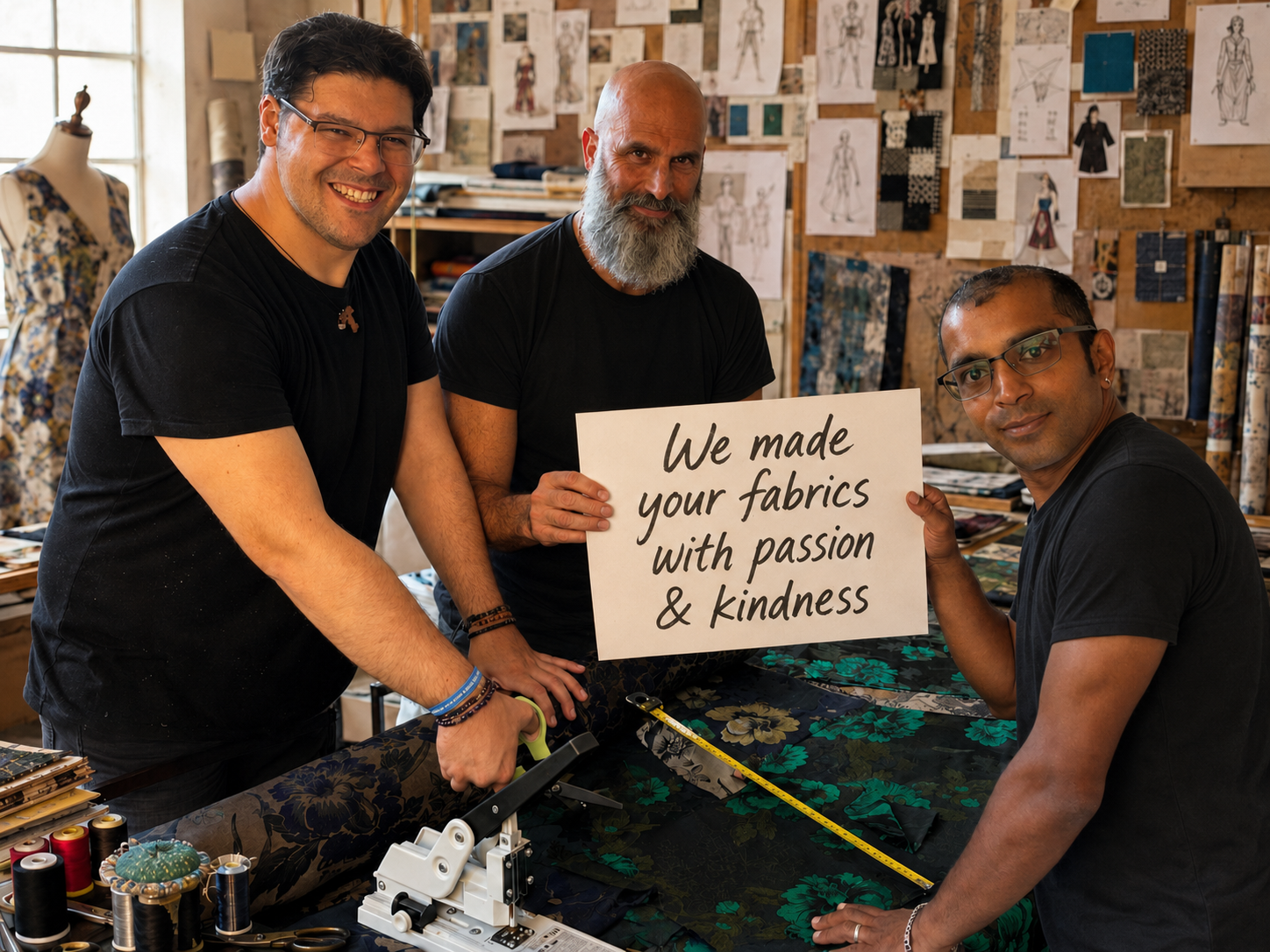
sustainable fashion made with passion and kindness
Relevant ARNIA Reading
What Is an Italian Textile Converter?
Explains the difference between a converter, mill, specialist and sourcing agent.
Lombardy Textile District: Why Short Supply Chains Reduce Fashion Production Risk
Shows why proximity creates value only when combined with daily control and clear responsibilities.
How to Choose a Sustainable Textile Supplier in Italy
Provides a due-diligence framework for evaluating materials, suppliers, labour and claims.
Sustainable Fashion Supply Chain: Certified Fabrics, MOQ and Kindness
Connects environmental materials with commercial conditions, people and realistic production quantities.
Sustainability Practical Guide
Translates sustainability into concrete policies, documents, supplier controls and performance indicators.
Transaction Certificates in Fashion
Explains Scope Certificates, TCs, technical MOQ, Chain of Custody and claim substantiation.
Certified Fabric vs Certified Garment
Clarifies why the certification of an upstream material does not automatically extend to the finished product.
Made in Italy Fashion Production Before Sampling
Explains the technical, strategic and financial preparation required before investing in prototypes.
Small-Batch Cut and Sew Manufacturing in Italy
Separates garment MOQ, development cost, fabric MOQ and production reality.
Final Takeaway
Fashion brands choose ARNIA for sustainable luxury fabrics in Italy when the project needs:
- textile distinctiveness;
- Italian specialist know-how;
- a converter able to coordinate different processes;
- clear technical approvals;
- quality oversight;
- project-specific traceability;
- certification-aware development;
- ethical and social governance;
- honest communication about limits.
ARNIA is not positioned as the cheapest supplier of standard commodity fabric.
It is not a substitute for every specialist mill.
It is not the correct partner for every product category, quantity or deadline.
Its value is strongest when a brand needs to connect:
creative identity, textile feasibility, selected Lombardy expertise, production control, evidence and responsible Made in Italy execution through one accountable project framework.
To assess whether ARNIA is the right Made in Italy production partner for your collection, complete the ARNIA Textile Project Brief with your product category, expected quantity or metres, development stage, target timing, price architecture and certification or traceability requirements.
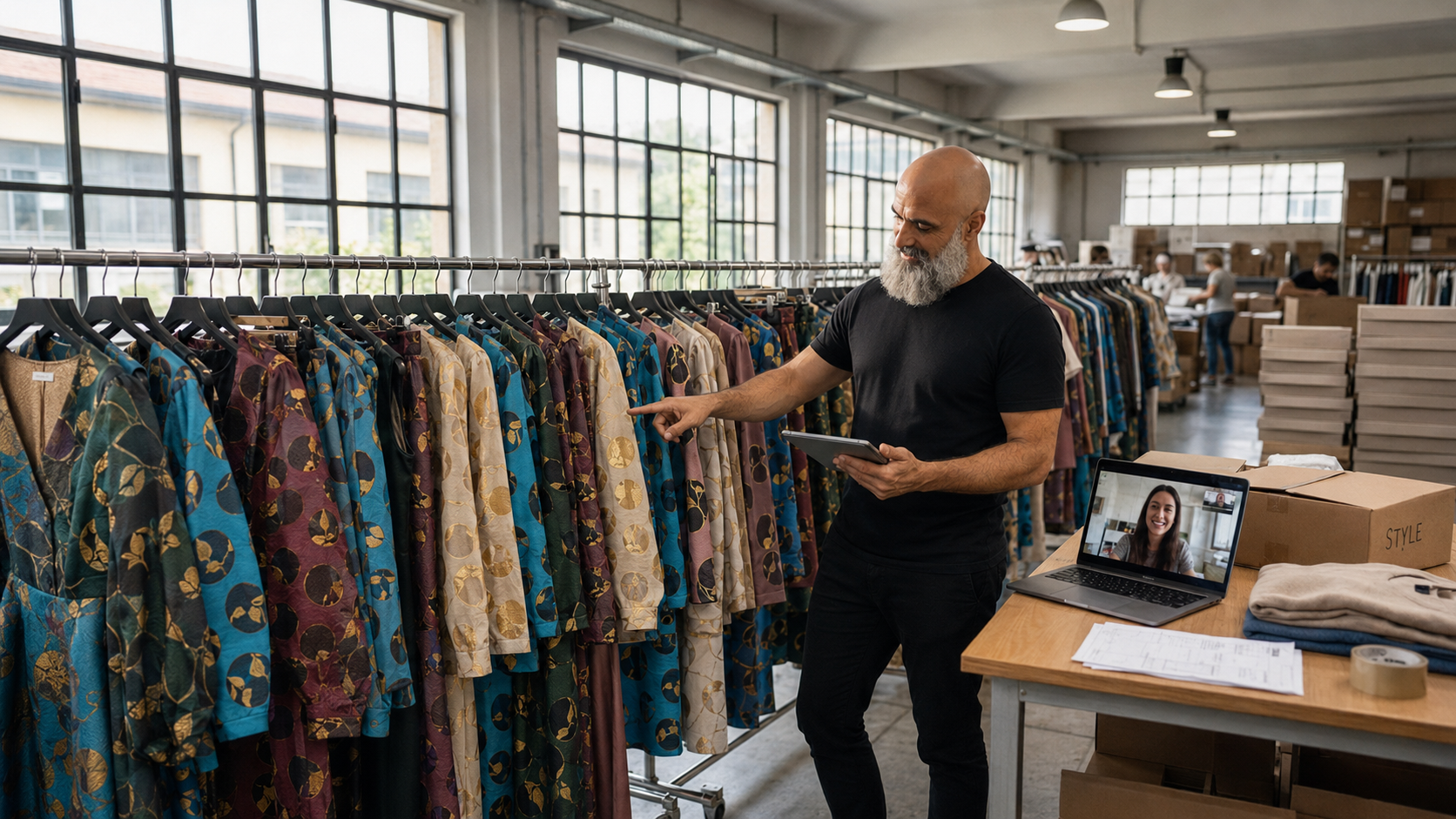
Italian textile converter coordinating mills, printers and finishers in the Lombardy Textile District
FAQ – Why Fashion Brands Choose ARNIA for Sustainable Luxury Fabrics in Italy
What is ARNIA TEXTILE FASHION?
ARNIA TEXTILE FASHION is the trading name of ARNIA – Società Cooperativa Sociale Made in Italy, a Type B non-profit social cooperative, Italian textile converter and B2B production partner based in Lombardy.
Why do fashion brands choose ARNIA?
Brands choose ARNIA for distinctive fabrics, access to specialist Lombardy textile know-how, coordinated development, quality oversight, project-specific traceability, certification guidance and one accountable project interface.
What are sustainable luxury fabrics in Italy?
Sustainable luxury fabrics in Italy combine high aesthetic and technical value with responsible material selection, controlled production, accurate documentation, ethical supply-chain governance and claims limited to available evidence.
Is ARNIA a textile mill?
No. ARNIA is not a single-process textile mill. It is a textile converter that coordinates selected mills and workshops while managing development, approvals, quality oversight, documentation and client communication within the agreed scope.
What fabrics does ARNIA develop?
ARNIA develops jacquards, fil coupé, gobeline, furry and heavy-weight structures, prints, embroidery, eyelets, sequins, devoré, velvet, taffeta, tulle, plissé and other specialist surface effects.
Can ARNIA develop a fabric from a sketch or moodboard?
Yes. A creative reference can begin the process, but technical feasibility, target price, end use, quantity, process route and repeatability must be evaluated before production is confirmed.
Does ARNIA offer stock-supported fabrics?
Yes. Selected running or stock-supported bases may be available for sampling, capsule development and faster sourcing. Quantity, continuity and certification documentation must still be confirmed.
Does ARNIA supply GOTS, GRS and FSC fabrics?
ARNIA can coordinate eligible GOTS, GRS and FSC-based material routes. Applicability depends on the exact article, production lot, process, certified operators, MOQ, Chain of Custody and intended claim.
Does certified fabric mean the garment is certified?
No. A certified fabric does not automatically make the final garment certified. Downstream manufacturing, brand status, Chain of Custody, documentation and claim rules must also be considered.
Can ARNIA issue Transaction Certificates for small samples?
Normally not. Prototypes and very small lots generally do not support the dedicated production, segregation, volume reconciliation and documentation needed for a TC.
What are ARNIA’s indicative certification MOQs?
Indicative planning references include around 300 metres for some GRS yarn-dyed routes, 500 metres for certain GRS printed or FSC-based routes, 800 metres for selected ECOVERO™ routes and 1,000 metres for GOTS routes. Final feasibility varies by project.
Is ARNIA OEKO-TEX® certified?
ARNIA should not be described as an OEKO-TEX®-certified supplier. Project-specific OEKO-TEX® STANDARD 100-aligned testing may be evaluated on request.
What traceability can ARNIA provide?
Depending on project scope, ARNIA can support article-, SKU- and lot-level information covering composition, colour, production stages, facilities, documentation, admissible claims and deviations.
Does ARNIA disclose all supplier names?
Not publicly or automatically. Supplier identities and process details may be disclosed under NDA for legitimate certification, audit, regulatory or agreed due-diligence purposes.
Can ARNIA guarantee zero defects?
No responsible textile supplier can honestly guarantee absolute zero defects. ARNIA defines approval points, quality controls, monitoring and corrective-action procedures to identify and reduce risk.
Why is ARNIA not the cheapest textile supplier?
ARNIA’s model includes textile development, specialist coordination, trials, approvals, quality oversight, documentation, traceability and risk management. It is not structured for price-only commodity competition.
Can ARNIA handle very large commodity volumes?
ARNIA is principally positioned for distinctive premium and luxury fabrics, custom developments and coordinated projects. A high-volume direct mill may be more efficient for a standard commodity fabric.
When is a specialist mill better than ARNIA?
A specialist mill may be better when the product is already fully specified, only one process is required, the brand has internal technical and quality expertise and the quantity fits the mill’s production model.
When is ARNIA the better option?
ARNIA is particularly valuable when the fabric requires several connected processes, the creative brief needs technical translation or the brand needs one partner to coordinate quality, documentation and production risk.
Does ARNIA work with emerging brands?
Yes, when the brand is prepared to define its customer, target price, quantities, development budget, technical route and realistic timeline—or to invest in professional project management to build them.
Does ARNIA produce one-off garments?
ARNIA’s Cut & Sew model is intended for product development and small-batch production rather than personal one-off bespoke garments.
What is ARNIA’s Cut & Sew MOQ?
Projects may start from 20 pieces per style, subject to garment category and technical feasibility. Fabric, trim, process and certification MOQ remain separate.
Does ARNIA produce denim, leather apparel or classic tailoring?
These are generally outside or at the limits of ARNIA’s current production model. Highly structured tailoring, specialist denim and leather apparel require dedicated capabilities and should not be assumed feasible.
Can ARNIA confirm a price from a photograph?
No. A photograph can communicate aesthetic direction but does not define construction, material consumption, finishing, quantity, tolerances or production time.
How should a brand start a project with ARNIA?
The brand should complete the Textile Project Brief with the product category, expected metres or pieces, development stage, target timing, price architecture and certification or traceability requirements.


