
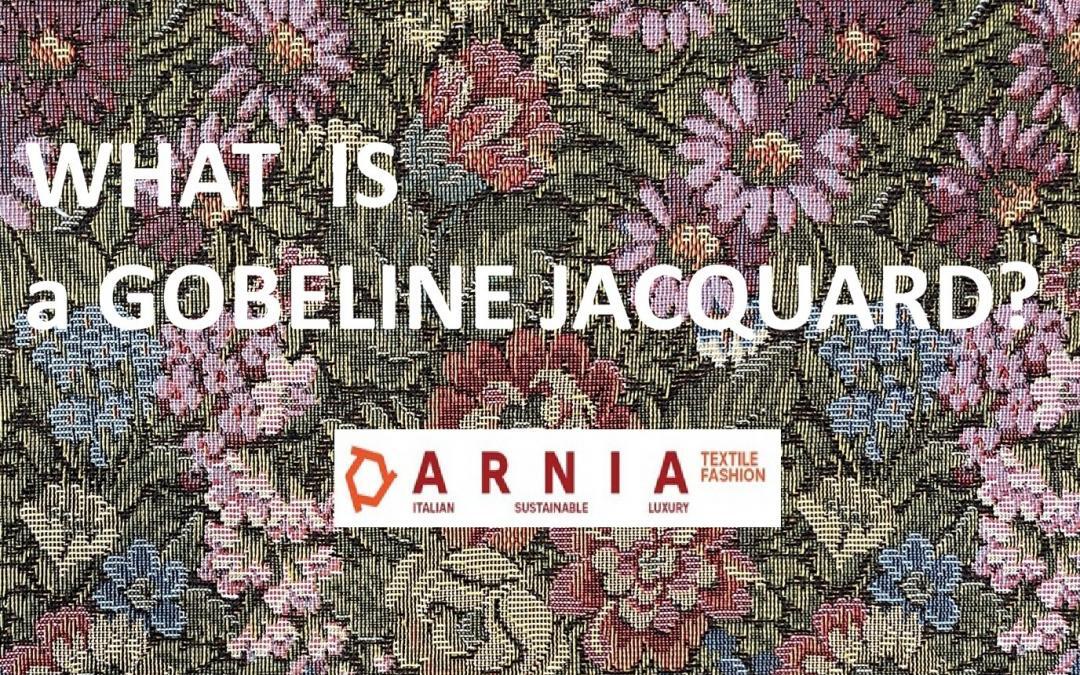
Some fabrics simply follow trends. Jacquard gobeline doesn’t. It carries history in its structure—then shows up, unexpectedly, in today’s interiors and in the most confident gobeline attire fabrics.
If there is one textile that has decorated historical palaces, fascinated artists (and even a chemist), crossed centuries, and still feels relevant in contemporary design, it is jacquard gobeline—often simply called gobeline or “gobelin-style tapestry fabric.”
In this deep guide we’ll explore where gobeline comes from, how jacquard gobeline is woven, why it feels so “architectural” in the hand, and how designers use gobeline attire fabrics today—from runway jackets to statement accessories and high-end upholstery.
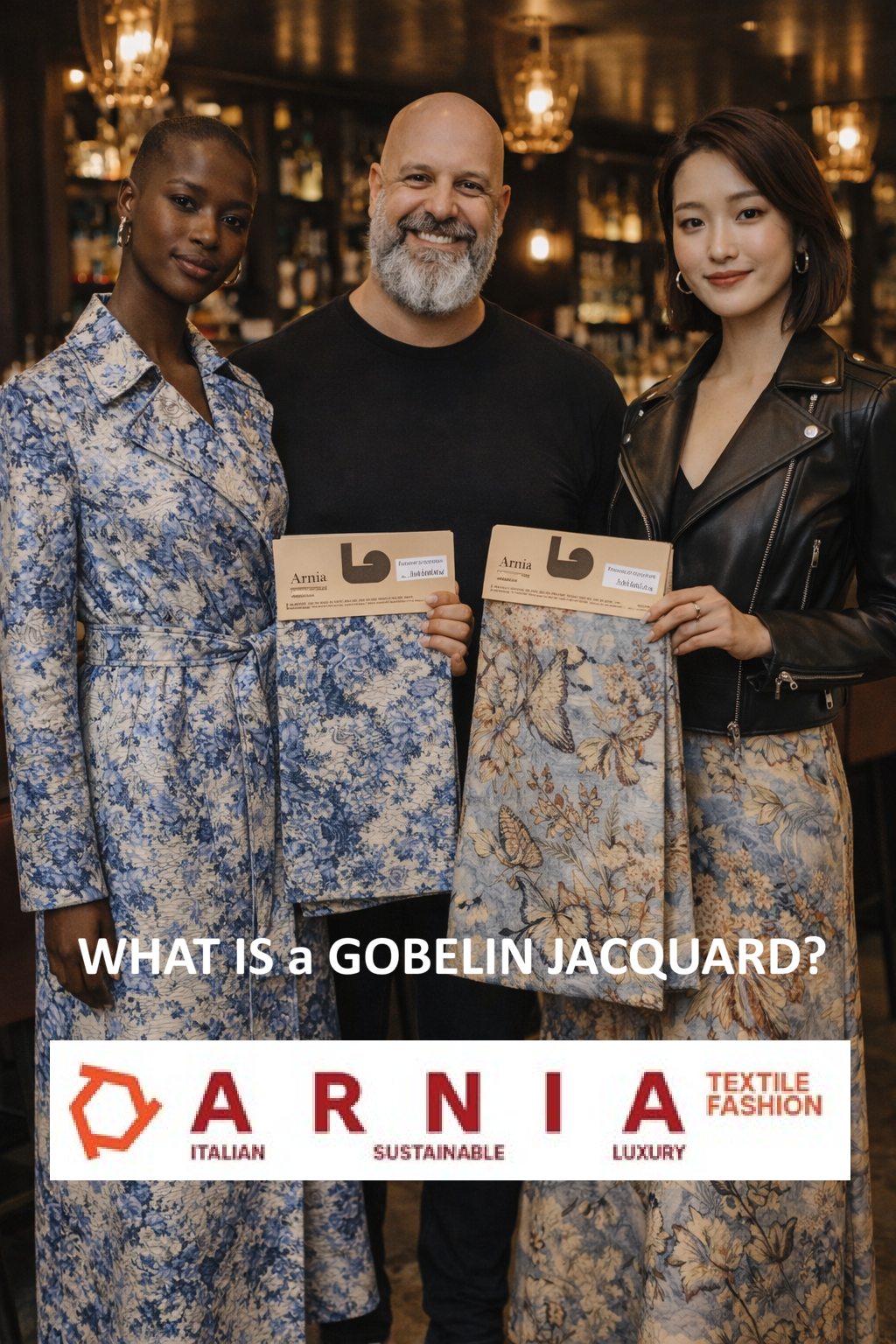
Jacquard Gobeline: what “gobeline” really means (and why it’s not a print)
Gobeline is best understood as a tapestry-inspired jacquard fabric: decorative, multi-tonal, and structured, with motifs that are woven into the textile rather than printed on top. That “built-in” design is exactly why jacquard gobeline looks rich even up close: you’re seeing yarns doing the work, not ink.
Jacquard gobeline structure: warp, weft, and why detail looks so crisp
Like any woven fabric, gobeline is made from warp (lengthwise yarns) and weft (crosswise yarns). What makes jacquard gobeline special is the way a jacquard loom can lift individual warp threads to create complex imagery—florals, heritage motifs, scenographic repeats, even figurative “tapestry” scenes.
In many gobeline constructions, multiple warp colors and weft systems work together to create depth and shading. This also explains an important practical point for designers: changing a gobeline design or colorway is not like changing a print file. It often means re-engineering the weave file, and sometimes the yarn setup—one reason gobeline tends to reward thoughtful, long-term design choices.
Gobeline attire fabrics: why fashion loves the “body”
The same quality that makes gobeline great for décor—its firm, durable structure—is also why fashion uses it for gobeline attire fabrics. When you want a jacket that holds a silhouette, a skirt with presence, or an accessory that looks instantly “crafted,” gobeline delivers.
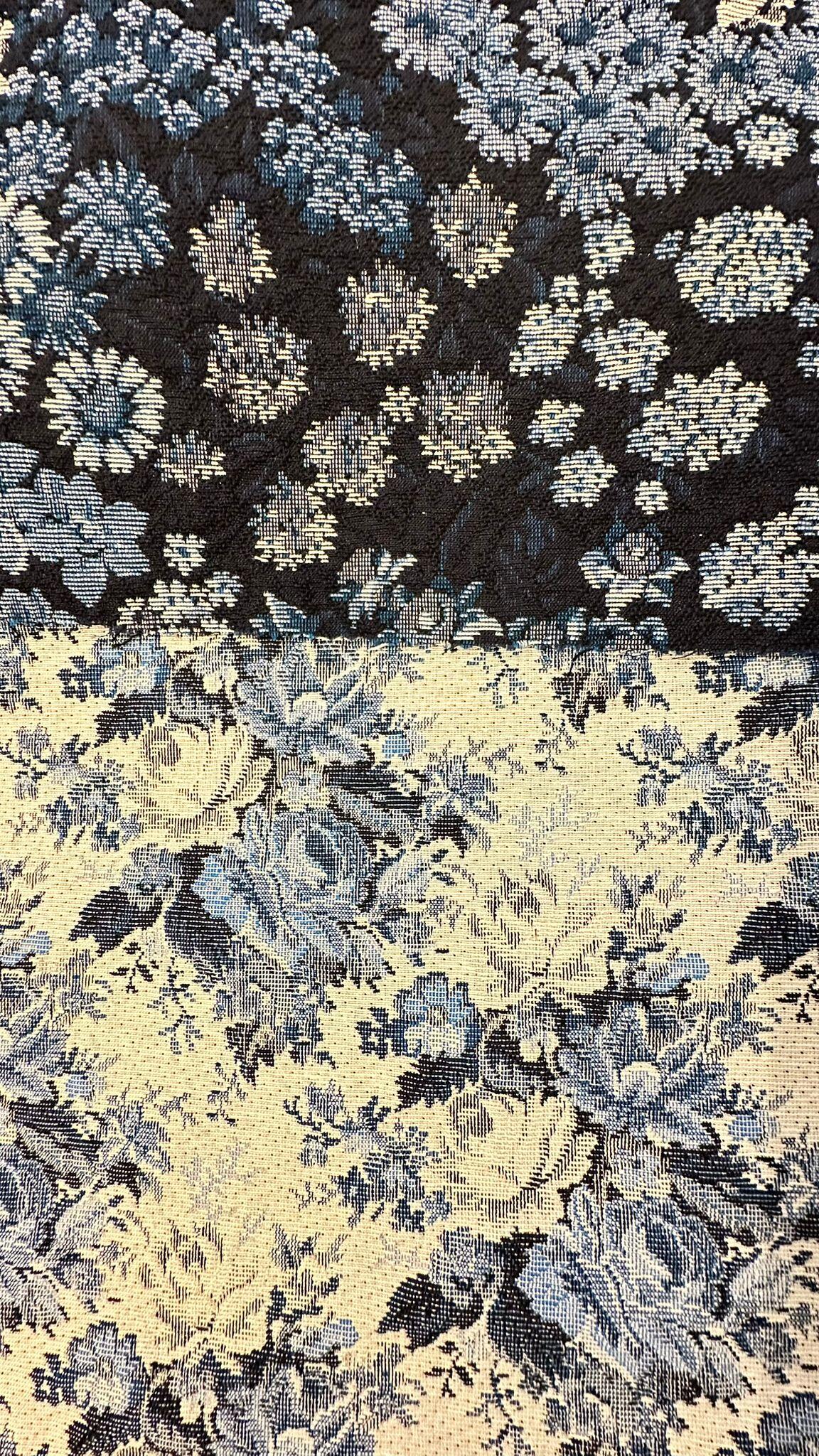
art, OSTRA
Gobeline Jacquard heritage: from the Gobelins manufactory to modern gobeline attire fabrics
The word “Gobelins” points to one of the most influential textile institutions in Europe: the Manufacture des Gobelins in Paris. In the 17th century, tapestries were not decoration—they were power, diplomacy, status, and storytelling.
That world shaped the aesthetic we still recognize in gobeline: intricate scenes, ornamental borders, deep color, and an almost architectural sense of composition.
A short timeline of jacquard gobeline’s cultural roots
- Royal ambition: The Gobelins workshops became a symbol of French excellence—where craft, art, and state identity merged.
- Industrial shift: The arrival of the jacquard mechanism changed how complex patterns could be reproduced, making “tapestry-like” richness possible at scale.
- Art + textiles: Over time, major artists collaborated with tapestry manufactories, proving that woven imagery could be modern—not only historical.
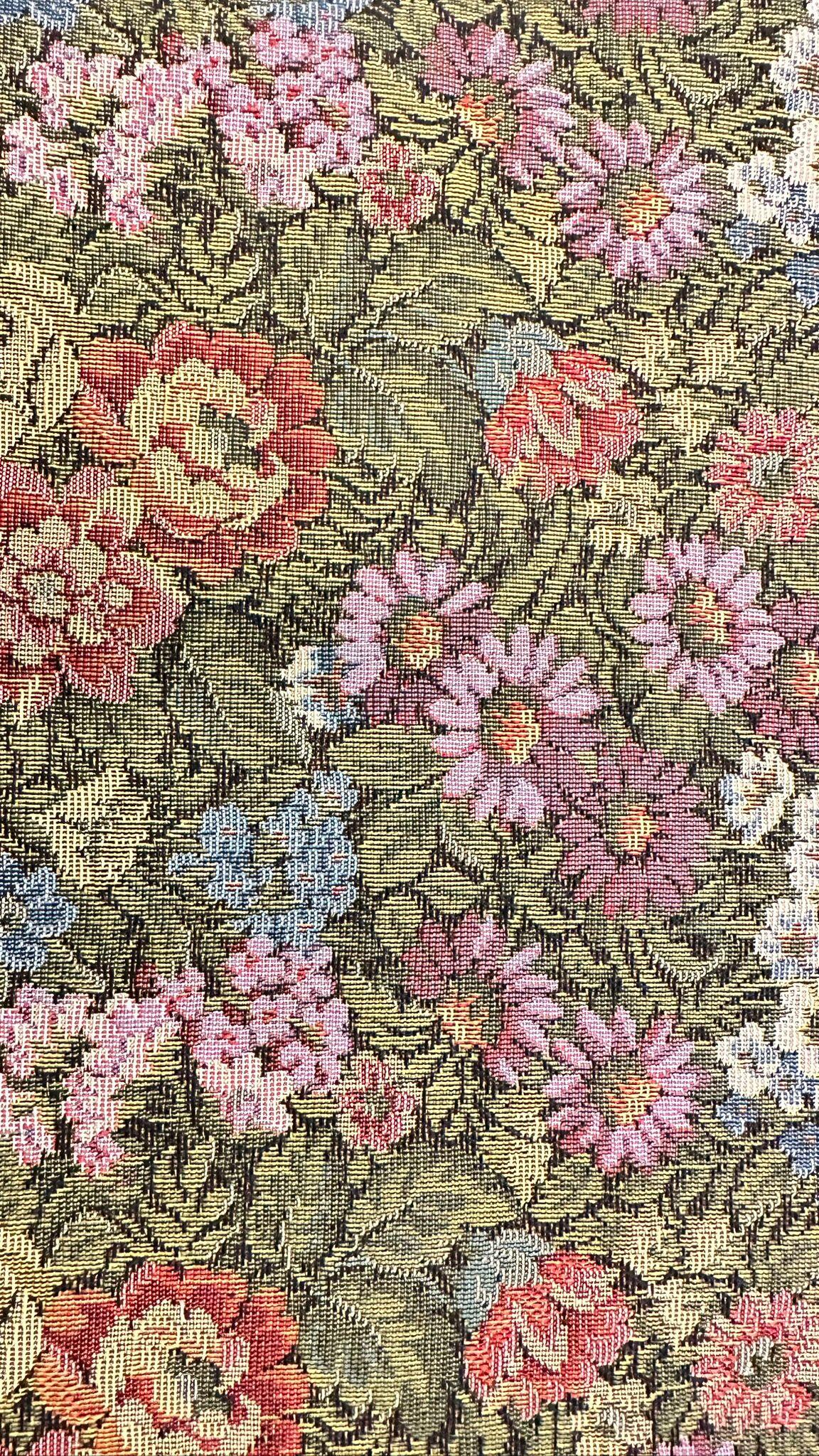
art, COAREZZA dis 1599
Jacquard + color science: when gobeline inspired a chemist (Chevreul)
One of the most surprising chapters in textile history is that a fabric ecosystem helped shape modern color theory.
In the 1800s, chemist Michel Eugène Chevreul worked at the national tapestry factory in Paris, studying dyes and color interactions. Observing how colors influence each other when placed side by side, he formulated ideas that became foundational for artists and designers—especially in the way our eyes perceive contrast.
That link matters today: jacquard gobeline is essentially a “color conversation” built in yarn. The fabric doesn’t just show pattern; it shows relationships between tones, textures, and light.

Chevreul’s chromatic circle (1861) — a reminder that textiles and color science have always been close.
Jacquard Gobeline in the Lombardy textile district: Como, Varese, Milan
If Paris gave gobeline its historical “myth,” Lombardy gives it something equally valuable: a living industrial ecosystem where jacquard, dyeing, finishing, and fashion prototyping coexist within a short radius.
In the Lombardy Textile District, skills are distributed like a well-designed supply chain:
- Como for silk culture, jacquard weaving, printing, and finishing.
- Varese (Busto Arsizio & Gallarate) for cotton heritage, dyeing, and industrial embroidery.
- Milan for design, prototyping, and garment-making—where fabrics become collections.
Why this matters for gobeline jacquard development
Gobeline jacquard is not a “single-step” fabric. To look and perform the way it should, it needs:
- precise weaving (pattern clarity, yarn control, repeat management),
- correct finishing (hand-feel, stability, abrasion behavior),
- and fashion-compatible know-how (how the fabric behaves in cut & sew).
That’s why we often say gobeline is a “district fabric”: it benefits from a place where multiple specializations can collaborate fast, with accountability.
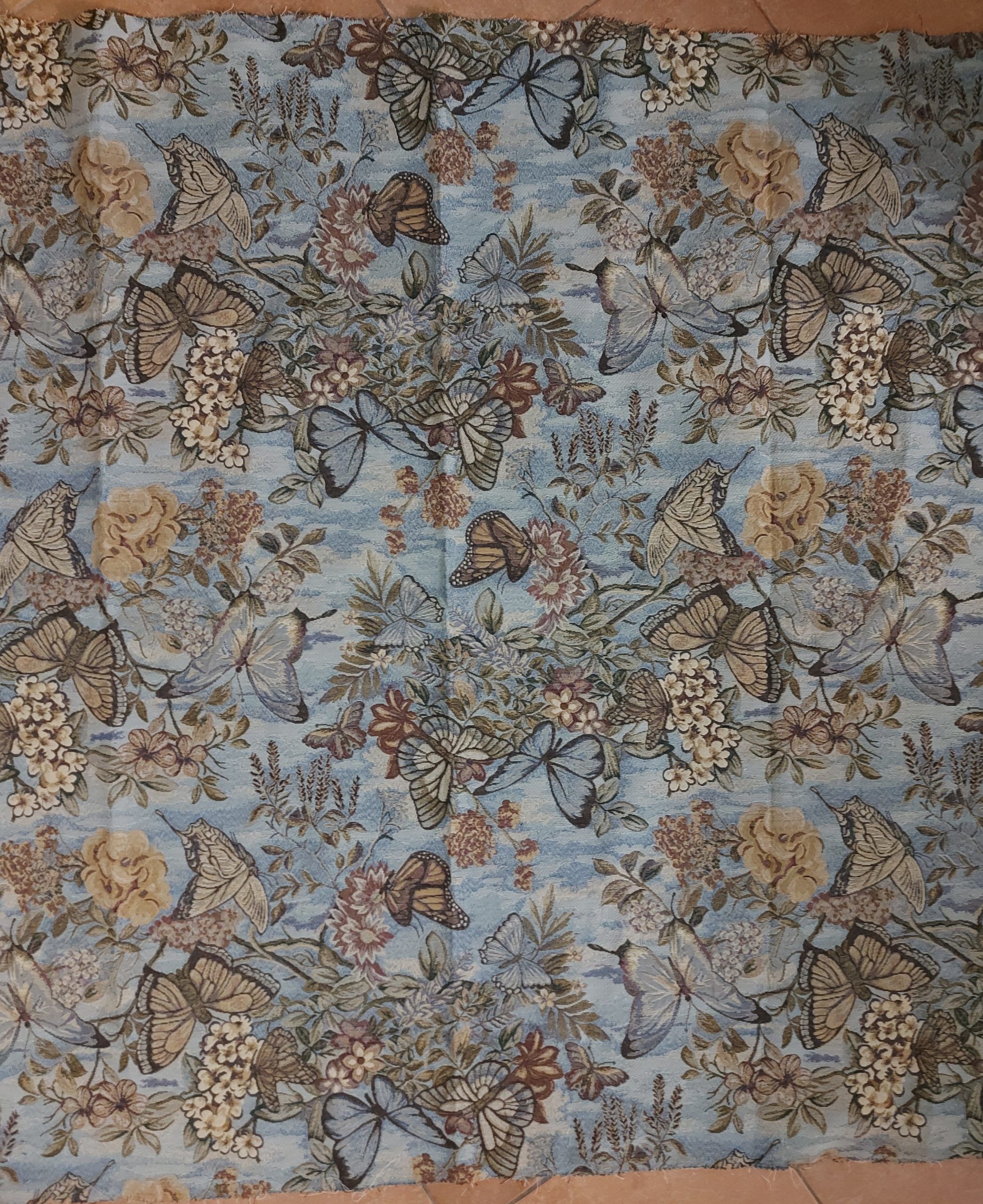
art, OPPIDO
How to use Jacquard Gobeline: upholstery, accessories, and gobeline attire fabrics
Because it is structured and decorative, jacquard gobeline lives naturally in two worlds: interiors and fashion. The difference is not only aesthetic—it’s technical (weights, finishing, and performance expectations).
Gobeline jacquard for interiors (where durability is part of luxury)
- Upholstery: sofas, armchairs, headboards—when you want texture and story, not a flat surface.
- Cushions and statement accents: quick ways to introduce gobeline without redesigning the whole space.
- Drapery and decorative panels: especially when the motif is pictorial or heritage-inspired.
Gobeline attire fabrics for fashion: what designers should know
- Best silhouettes: jackets, bombers, coats, structured skirts, boxy tops, corsetry-inspired pieces.
- Smart construction tips: consider lining, stabilize stress points, and plan seam allowances to avoid bulk.
- Pattern placement: gobeline is often about the repeat—match motifs intentionally, or break them boldly.
When used well, gobeline attire fabrics communicate something immediate: “this is not ordinary cloth.” They read like wearable architecture—with a hint of theatre.
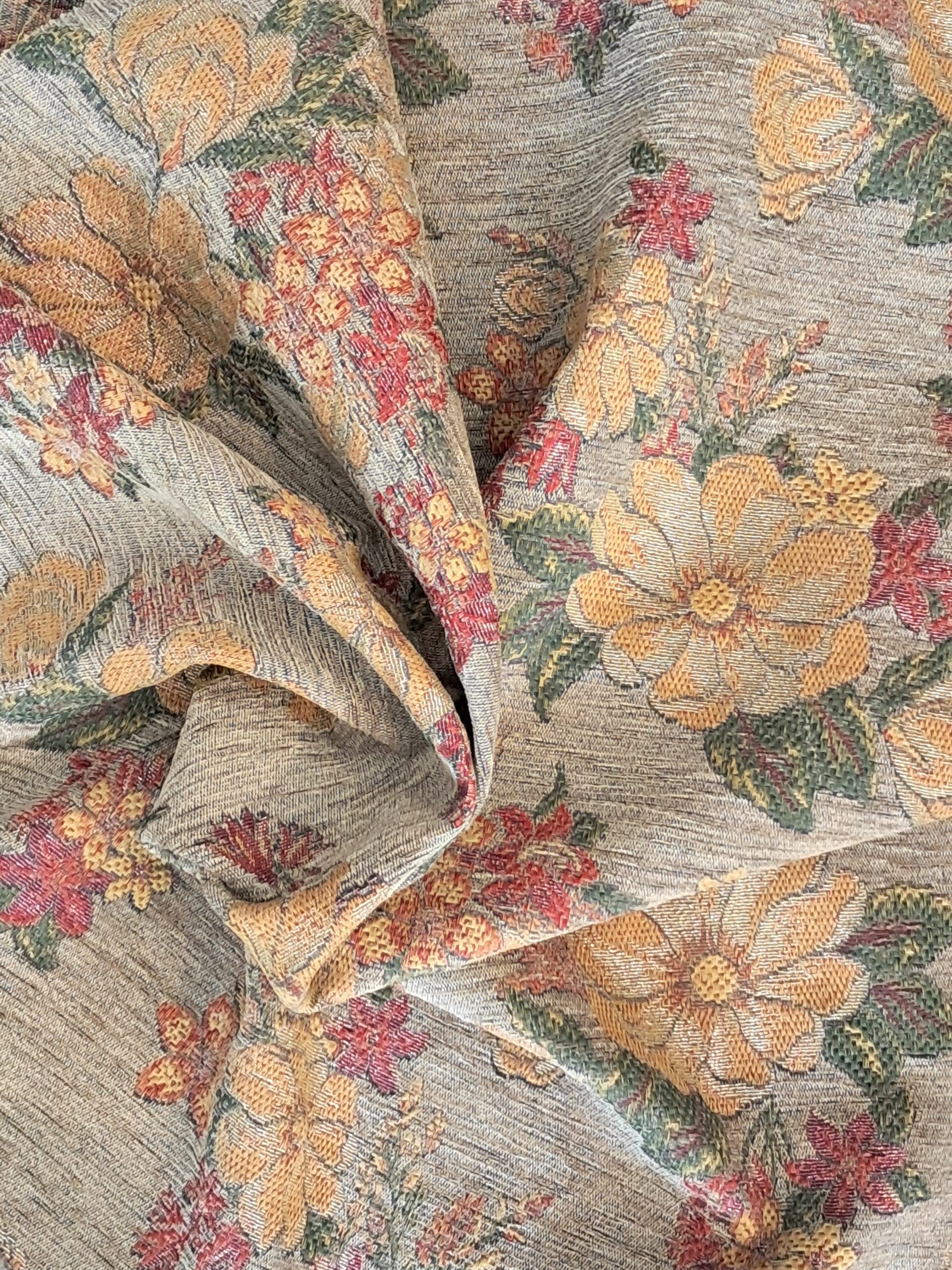
art, lLEONFORTE
Jacquard, brocade, gobeline: the differences (without confusion)
In showrooms, one question comes back constantly: “Is gobeline the same as jacquard?” The answer is simple:
- Jacquard = the weaving method (a loom control system that enables complex patterns).
- Gobeline = a tapestry-inspired type of jacquard fabric (often structured, decorative, scenographic).
- Brocade = a decorative fabric category often made with extra weft effects, traditionally associated with richer, sometimes lustrous yarns.
| Term | What it is | Typical vibe | Common uses |
|---|---|---|---|
| Jacquard | Weaving technique | From subtle to dramatic | Fashion + interiors |
| Gobeline | Tapestry-style jacquard | Heritage, scenographic, textured | Upholstery, cushions, gobeline attire fabrics |
| Brocade | Decorative figured fabric (often extra-weft effects) | Ornate, sometimes lustrous | Occasionwear, décor accents |
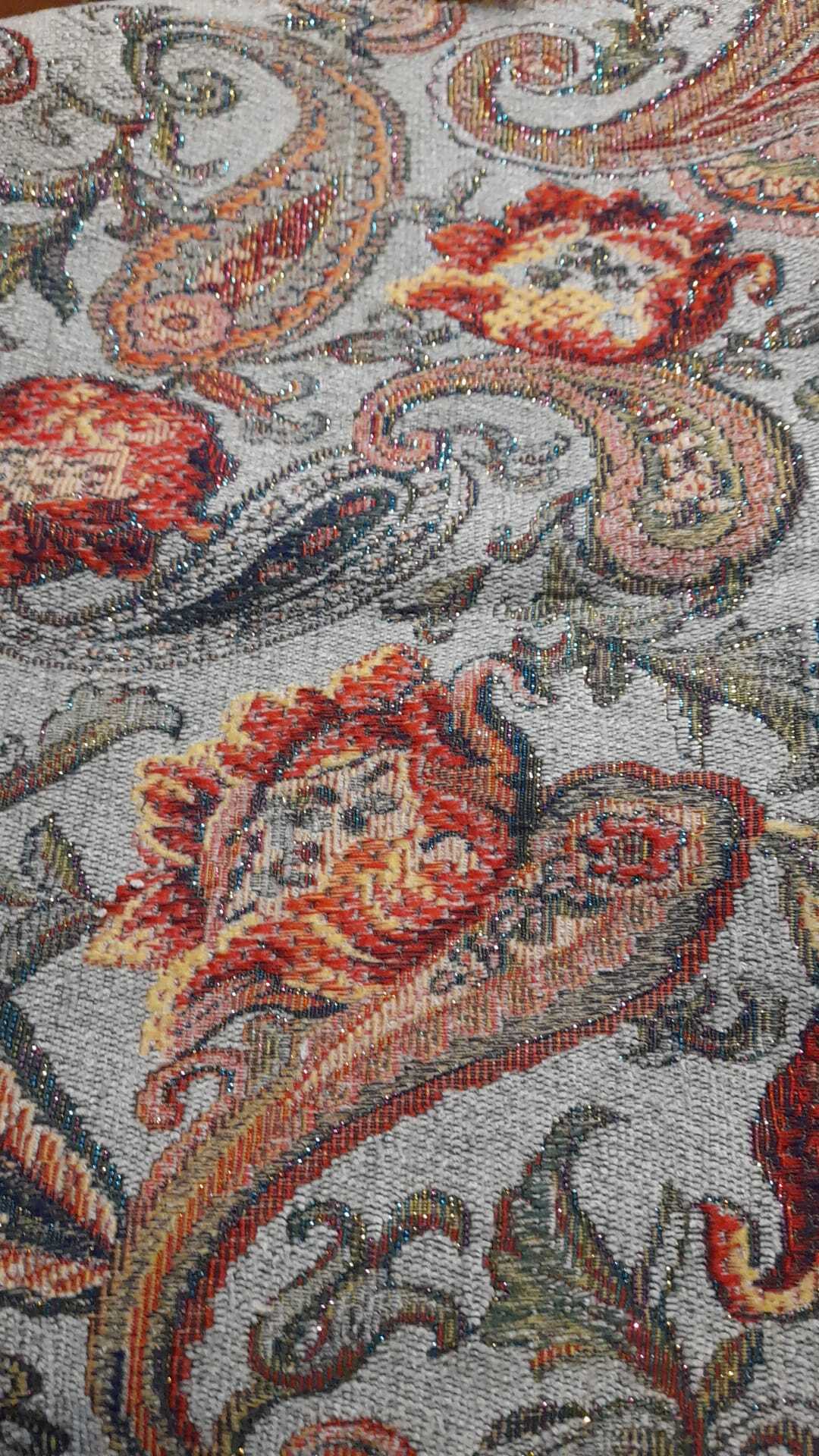
art, ARADEO
How to care for gobeline jacquard fabrics (washing, pressing, longevity)
Best practice: when in doubt, choose professional dry cleaning—especially for structured garments and upholstery applications.
That said, depending on fiber composition and finishing, some gobeline jacquard fabrics can be washed carefully. Always test first.
Gobeline care checklist (practical)
- Test first: check shrinkage, color fastness, and hand-feel changes on a small piece.
- Machine wash only if appropriate: cold water, delicate cycle, mild detergent, no bleach.
- No tumble dry: air dry flat or hang with support to avoid distortion.
- Iron on reverse: low temperature, ideally with a pressing cloth.
ARNIA Textile Fashion and Jacquard Gobeline: our gobeline jacquard range
At ARNIA TEXTILE FASHION, gobeline is not just a “heritage reference.” It’s a living tool for designers who want texture, storytelling, and structure—built inside a short Lombardy supply chain.
That’s why you’ll find jacquard gobeline options in our development work and in our curated selections—especially inside our Jacquard Gobeline and Heavy Weight Jacquards range.
From gobeline jacquard to finished garments: support for gobeline attire fabrics
If your goal is not only fabric, but product, we can support the full path—from textile R&D to production oversight—through our ecosystem:
- Innovative Fashion Collections (seasonal directions, curated proposals)
- Fabric Sourcing (brief-based research, archive reproduction, technical alignment)
- Cut & Sew Services (from prototypes to small/medium series)
Sustainability note (brand-safe): certified options are available on request and depend on minimum order quantities and Chain-of-Custody rules. If you want the clean version (no greenwashing, only what you can prove), start here:
Sustainability and Transparency.
Jacquard punched cards — the original “programming” behind complex woven motifs.
Related reads on the ARNIA blog (recommended)
- Daylight D65 in Textile Color Management (practical guide)
- Sustainable Relationships: Where ESG Really Takes Shape
- Textile Deadstock vs Just-in-Time: risks and alternatives

Louis XIV-era Gobelins tapestry (public domain reproduction) — the visual DNA that gobeline still echoes.
FAQ — Jacquard Gobeline & gobeline attire fabrics
Is gobeline always cotton?
No. Many gobeline jacquard fabrics use cotton, but compositions vary widely (cotton blends, viscose blends, recycled synthetics, and more). The “gobeline” identity comes from the tapestry-like jacquard construction and aesthetic, not from one single fiber.
Is jacquard gobeline suitable for everyday garments?
Yes—if the weight and finishing match the use. For everyday wear, designers often choose gobeline jacquard with a slightly softer hand, thoughtful lining, and silhouettes that respect the fabric’s structure.
Why do gobeline attire fabrics feel more expensive?
Because the pattern is woven, not printed. You’re paying for complexity in weaving, yarn management, and finishing—and you can see it in the depth of the surface.
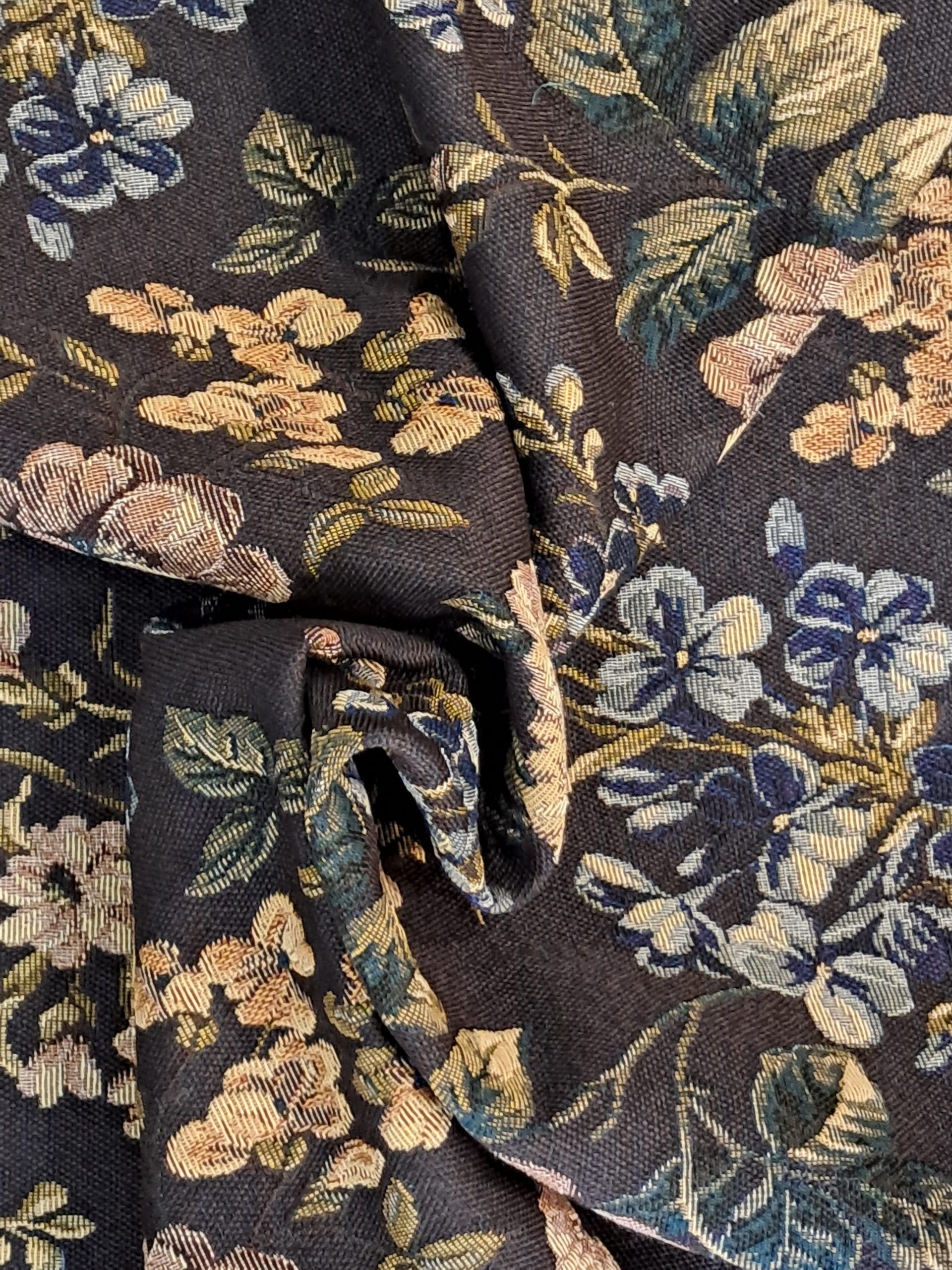
art. PERGUSA ECO
Want to develop jacquard gobeline with us?
If you’re building a collection that needs gobeline with real craft, reliable production, and a district-based supply chain, we’ll be happy to help.
Contact ARNIA Textile Fashion to request swatches, discuss gobeline attire fabrics, or start a jacquard gobeline development brief.


