
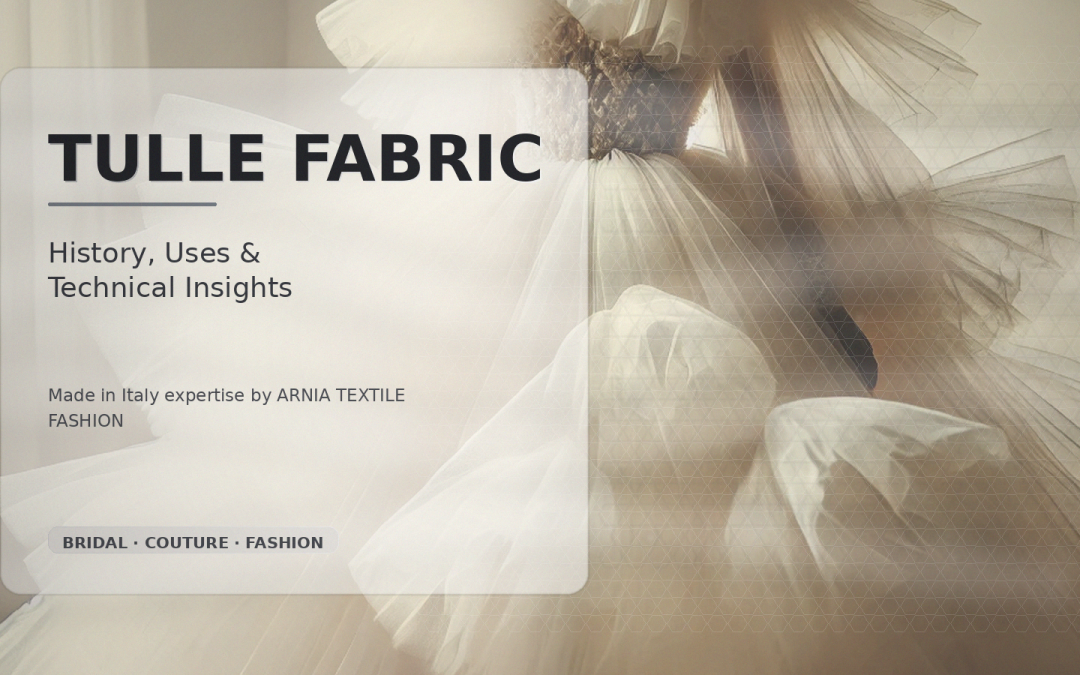
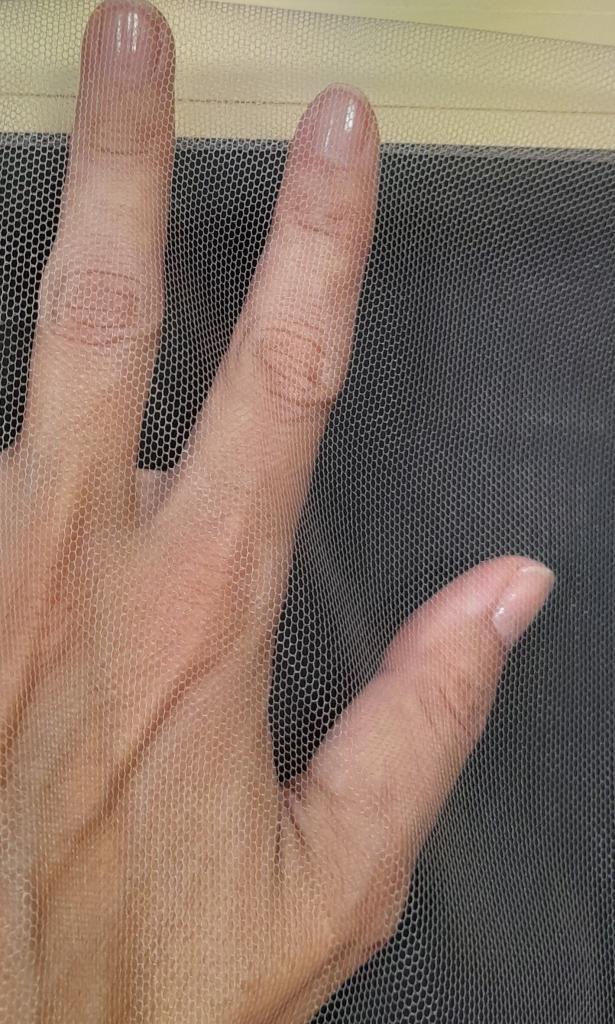
Tulle fabric is one of the most recognizable net fabrics in fashion. Designers choose it when they need transparency, visual lightness, softness, or controlled volume without excessive weight. The word itself is linked to Tulle, a town in France, and standard textile references still describe tulle as an extremely fine, soft net with hexagonal-shaped meshes, or a closely constructed fine net used for gowns, veils, and related fashion applications.
What Is Tulle Fabric?
Definition and structure
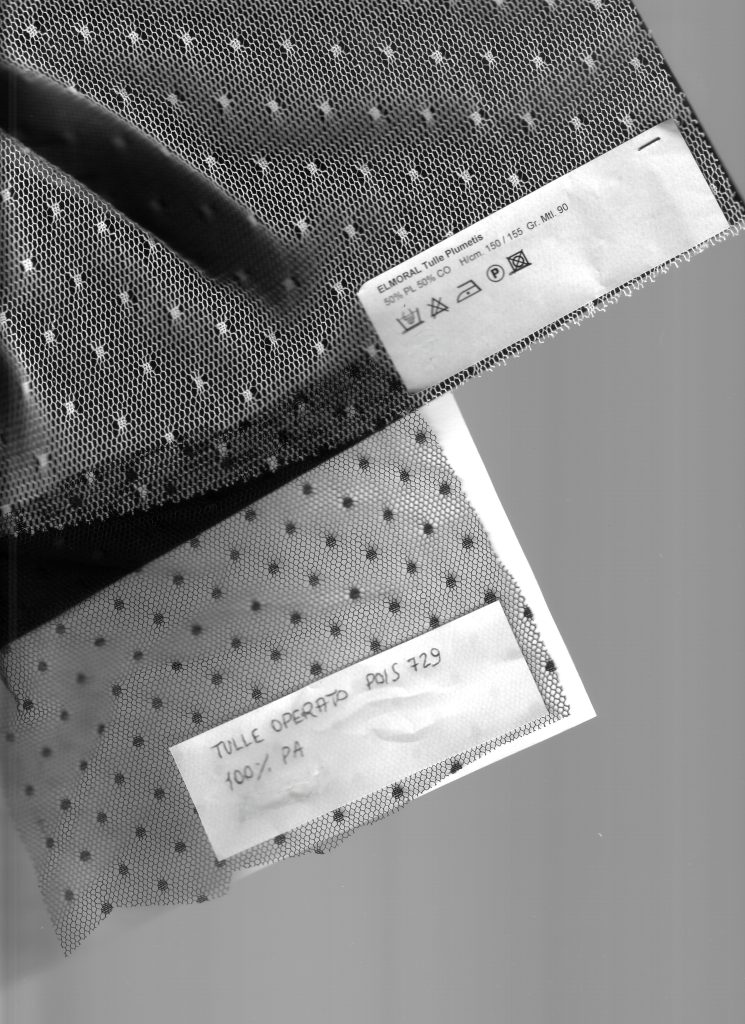
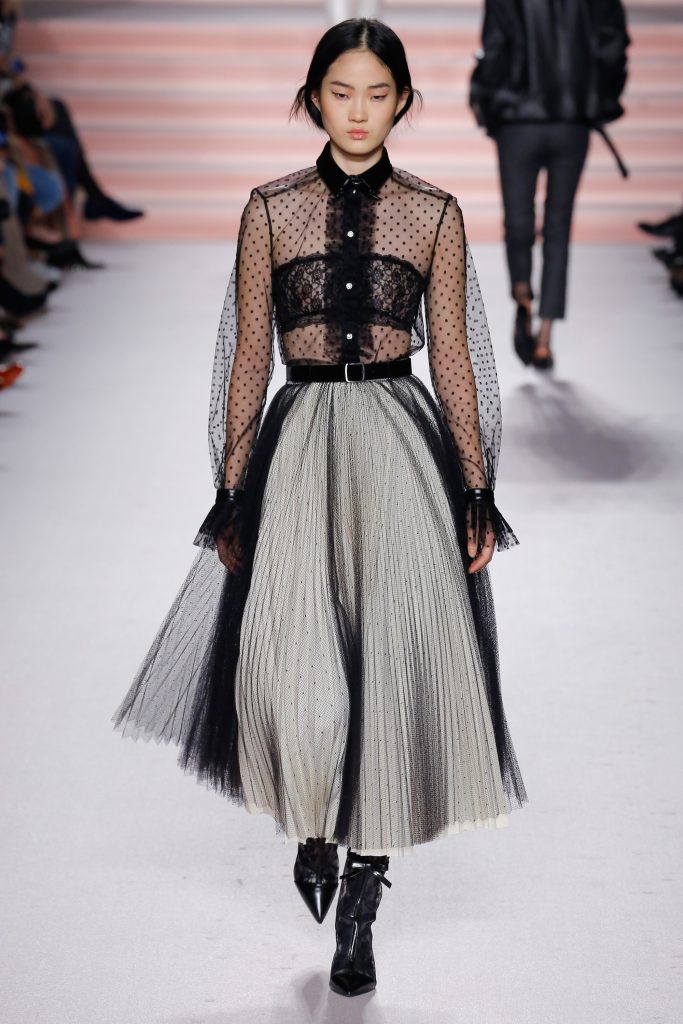
Technically, tulle belongs to the family of open-mesh fabrics. What makes it distinctive is the delicacy of the mesh, the lightness of the cloth, and its ability to create air, layering, and diffusion. In fashion terms, tulle can look almost invisible, softly architectural, or richly decorative depending on fiber, finish, layering, embroidery, or sequin application.
Why tulle remains relevant in fashion
Tulle has survived every change in fashion because it is not tied to a single aesthetic. It can be romantic, couture, dramatic, minimal, sensual, theatrical, or highly technical. That versatility explains why it continues to appear in bridalwear, eveningwear, dancewear, fashion costumes, decorative overlays, and embellishment-driven collections.
A Short History of Tulle
From Tulle, France to fashion language
The name “tulle” entered English in the 19th century and is commonly traced to Tulle in central France, where fine silk bobbin-net was associated with local manufacture. More broadly, lace history shows that the spread of machine net after 1800 changed the economics and availability of openwork fabrics, helping fine net structures move from luxury rarity to broader fashion use.
From fine silk net to modern fashion material
Historically, tulle was closely associated with fine silk net for veils and refined dress accessories. Over time, it evolved from a delicate lace-related material into a broad family of fashion nets used for silhouette, transparency, structure, and decoration. That evolution is one of the reasons tulle is still relevant today: it carries heritage, but it also adapts easily to contemporary product development.
What Is Tulle Used For?
Bridal, veils and occasionwear
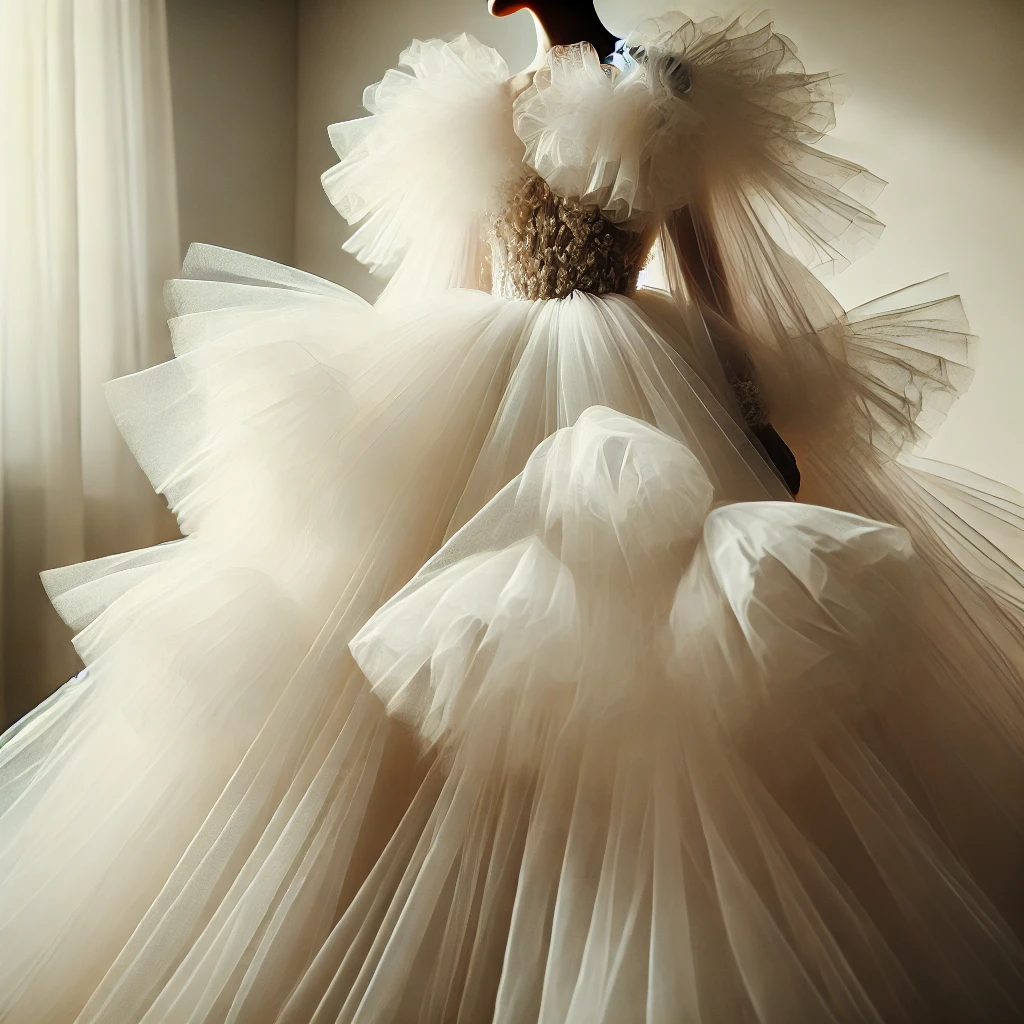
Tulle is still most strongly associated with bridal and formalwear. Britannica’s student reference describes finer netting called tulle as used in clothing, especially in more expensive women’s gowns, veils, and hats, while ARNIA’s own Plain LACES TULLE page positions these bases as ideal for wedding gowns, veils, corsetry, and draped detailing.
Couture, volume and scenic fashion
But tulle is not only for veils. Because it can create softness, opacity effects, layered depth, and volume, it is also a classic choice for couture, eveningwear, and scenic garments. Historic couture examples preserved by The Met show how tulle can build luminosity and sculptural volume through layering, proving that its apparent lightness can still deliver strong visual structure.
Embroidery, sequins and decorative surfaces
Tulle is equally important as a base cloth. ARNIA’s site connects tulle to embroidered tulle, stretch lace, and fancy meshes in the Laces and Fancy Knits family, and in the Tulle Gallery section. This is exactly why tulle remains so valuable: it can be quiet and almost invisible, or become the support for a highly decorative surface.
Technical Characteristics of Tulle
Mesh, transparency and behavior
From a technical point of view, the essentials are mesh structure, transparency, hand feel, recovery, stability, and finishing. A very fine, closely constructed tulle will not communicate the same thing as a more assertive mesh, and the final effect changes again once the cloth is dyed, softened, crisped, embroidered, or layered. For product developers, tulle is never just “a net”: it is a balance of structure and behavior.
Why technical selection matters
The same silhouette can behave very differently depending on the tulle chosen. Some tulles are designed to disappear into the garment and create softness. Others are selected because they hold space better, support decorative work, or give the collection a sharper, more graphic identity. In bridal and couture especially, the difference between an average result and a sophisticated result often comes from this technical selection.
Why the District Matters
Como, finishing and specialized know-how
For tulle, the district matters because the material is shaped as much by finishing as by the base cloth itself. In and around Como, public and industry sources show both the presence of textile categories that include the manufacture of tulle, lace, and lacework, and a dense ecosystem of specialized dyeing and finishing companies such as Tintseta and Color Como. ARNIA’s own district pages then position Como for printing and finishing, and Gallarate for industrial embroidery on bases such as organza and tulle.
Why finishing changes the final result
This matters because tulle is highly sensitive to finishing choices. Hand feel, fall, visual density, touch, and response to embroidery or sequins all depend on how the cloth is prepared after its base construction. That is why the Como textile district remains strategically relevant for tulle developments: it combines product culture, dyeing and finishing know-how, and proximity to other specialized processes within the wider Lombardy textile ecosystem.

ARNIA’s Tulle Offer
150 cm and 300 cm widths
Within this context, ARNIA works as a textile converter in the Lombardy textile district, coordinating Made in Italy development and production across Milan–Como–Varese and offering both stock-supported options and custom textile development.
At ARNIA, we supply tulle in 150 cm width for apparel developments and in 300 cm width, particularly appreciated for bridal gowns, bridal veils, and high-fashion scenic garments.
Fibres, hand feel, dyeing and supply format
Our range includes polyamide, polyester, cotton, and silk tulles, available with soft hand or crisp hand, and in both standard tulle and stretch power net constructions. We can supply tulle on roll or flat-folded in both width options, with flat-folded supply available as a paid service. We can also dye to match your sample. Minimum purchase is one roll, with applicable surcharges depending on the requested article, format, and service.
Where to Continue on ARNIA
Readers can continue the journey through ARNIA’s Tulle Gallery, Plain LACES TULLE, Fabric Sourcing, Laces and Fancy Knits, and Lombardy Textile District of Excellence. These pages help connect tulle to adjacent materials, embellishment techniques, sourcing pathways, and the wider Made in Italy textile ecosystem behind the final product.
Tulle is often described as delicate, but in product development it is anything but superficial. It is a strategic fabric: it shapes silhouette, influences perception, supports embellishment, and can move from bridal softness to couture drama in a single collection. For brands working on wedding dresses, occasionwear, layered fashion, embellished surfaces, or scenic garments, understanding tulle means understanding both textile technique and finishing culture. That is exactly where ARNIA’s Lombardy-based network becomes valuable.


