
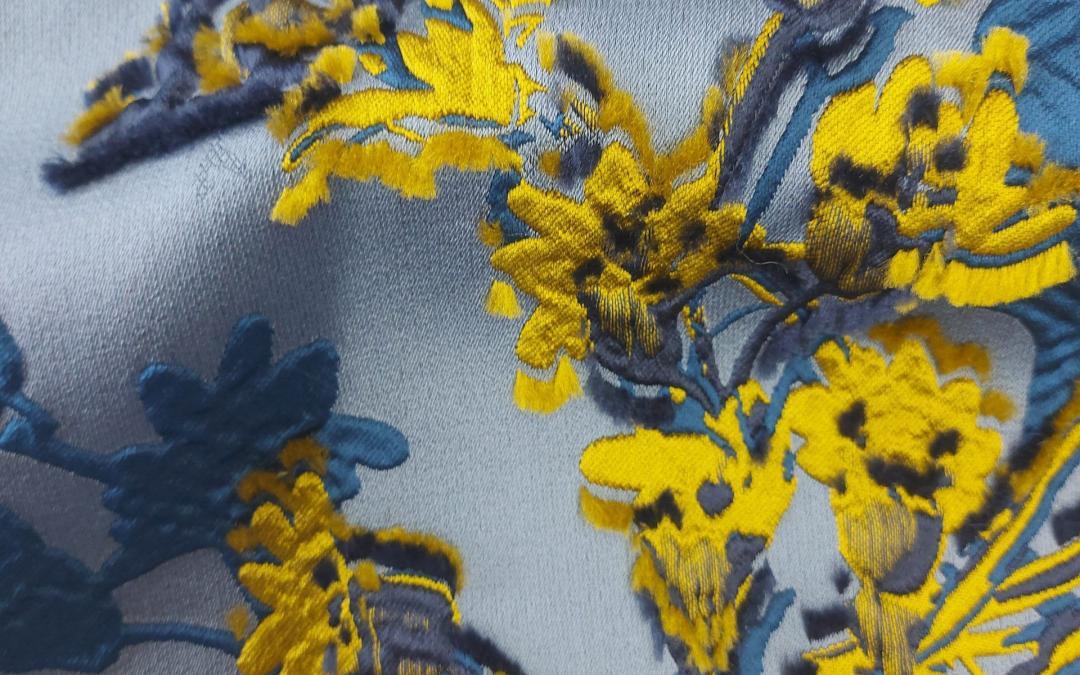
BLOSSOM Paris Wild Matter and the Lombardy Textile District meet in one essential idea: luxury textile sourcing begins with nature, but it becomes a luxury surface only when material is transformed by Italian know-how, technical discipline and a reliable local supply chain. For ARNIA TEXTILE FASHION, BLOSSOM Première Vision Paris is not only a trade fair. It is a moment to show how Como, Milan and Varese can translate natural inspiration into jacquard, fil coupé, devoré, embroidery, plissé, prints and responsible Made in Italy textile development.
BLOSSOM Première Vision will take place on 3 & 4 June 2026 at the Carreau du Temple in Paris. The show is positioned as an exclusive event dedicated to the launch of pre-collections for creative, luxury and high-end fashion brands. For June 2026, BLOSSOM also highlights the AW 27-28 direction “Wild Matter”, where nature, material, gesture and creation become central to the season’s textile narrative.
For buyers, sourcing teams and design offices, this is a key moment. A luxury pre-collection is shaped before the main collection calendar becomes too compressed. The right fabric decision can influence silhouette, handfeel, color direction, sustainability pathway, production feasibility and final brand storytelling.
Discover ARNIA at BLOSSOM Paris
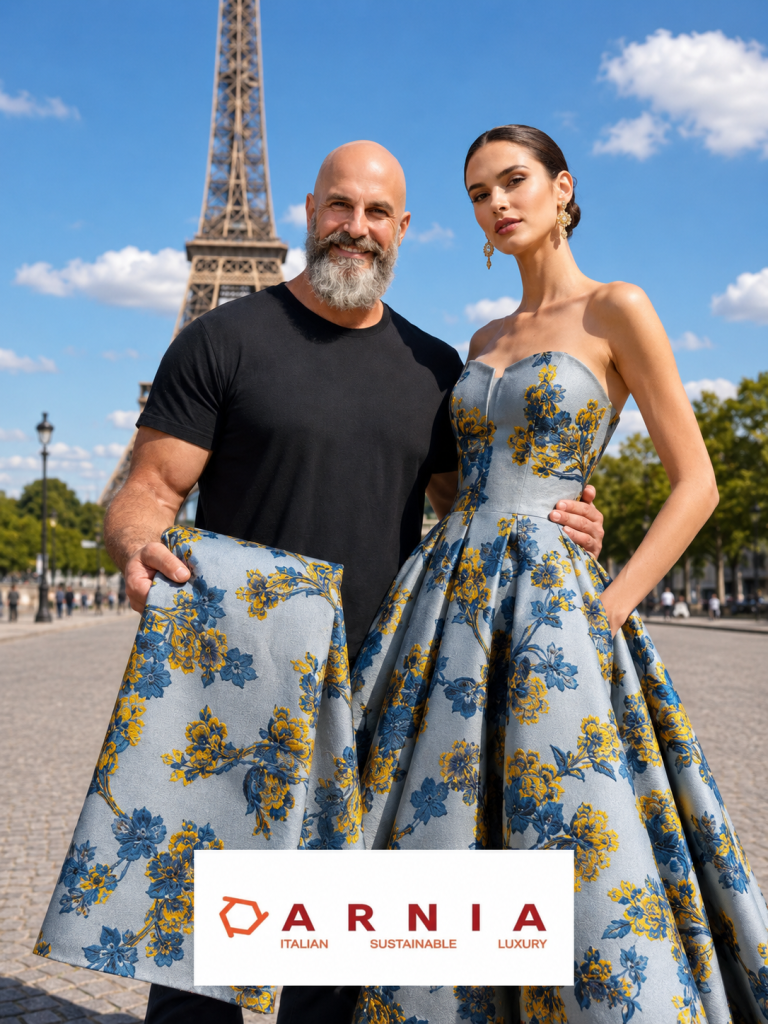
ARNIA TEXTILE new jacquards
Why “Wild Matter” matters for luxury textile sourcing (in BLOSSOM PARIS but not only)
In luxury fashion, matter is never neutral.
A surface can suggest movement, depth, fragility, protection, light, shadow or organic growth. A fabric can feel mineral, vegetal, fluid, dry, raw, polished, structured or almost weightless. This is why the Wild Matter textile trend is more than a seasonal color story. It is a way to rethink how natural forces become luxury surfaces.
At BLOSSOM Paris, the AW 27-28 “Wild Matter” preview celebrates the force of nature through organic nuances, pigmented greys, sophisticated brights and a regenerative, grounded palette. The Fashion Forum also places material, gesture and creation at the center, presenting matter as a driver of desirability, emotion and excellence.
For a luxury brand, this has practical consequences. A “nature-inspired” textile direction cannot be reduced to a print of leaves or flowers. It must become a material language:
- a jacquard that creates depth through structure;
- a fil coupé that brings movement and controlled irregularity;
- a devoré that reveals transparency and shadow;
- an embroidery that adds rhythm and relief;
- a plissé that makes matter move with the body;
- a print that translates organic inspiration into color and surface;
- a stock-supported base that allows faster experimentation without losing technical control.
This is where Italian textile know-how becomes essential.
A fabric trend becomes a collection only when someone can turn inspiration into repeatable, wearable and technically credible material.
From nature to luxury surfaces: the role of Italian textile know-how
The language of nature is complex. It is not flat. It is layered, imperfect, irregular and alive.
To translate this language into luxury textiles, a brand needs more than a fabric supplier. It needs a partner able to read a creative brief and understand how to transform it into a realistic sourcing and development route.
At ARNIA TEXTILE FASHION, textile surfaces are approached through both culture and technique. The question is not only: “Is the fabric beautiful?” The deeper questions are:
- Can this surface support the intended garment?
- Can the handfeel match the brand positioning?
- Can the fabric be repeated or adapted?
- Is the sourcing route realistic?
- Can the material be documented?
- Does the textile choice protect the brand reputation?
- Can the development path remain coherent with responsible luxury?
This approach is central to ARNIA TEXTILE FASHION’s Fabric Sourcing service, which supports fashion brands from reference swatches, sketches, photos, moodboards or creative briefs. The goal is not anonymous sourcing, but the translation of creative direction into fabrics that can be developed, controlled and used in real collections.
When a buyer or designer brings a “Wild Matter” moodboard, the work starts by identifying the right textile language. A mineral inspiration may become a pigmented jacquard, a coated surface or a devoré. A botanical reference may become embroidery, fil coupé, lace, tulle, plissé or print. A rough natural texture may become a gobelin, a heavy jacquard or a special finish.
The quality of the result depends on the quality of the supply chain behind it.
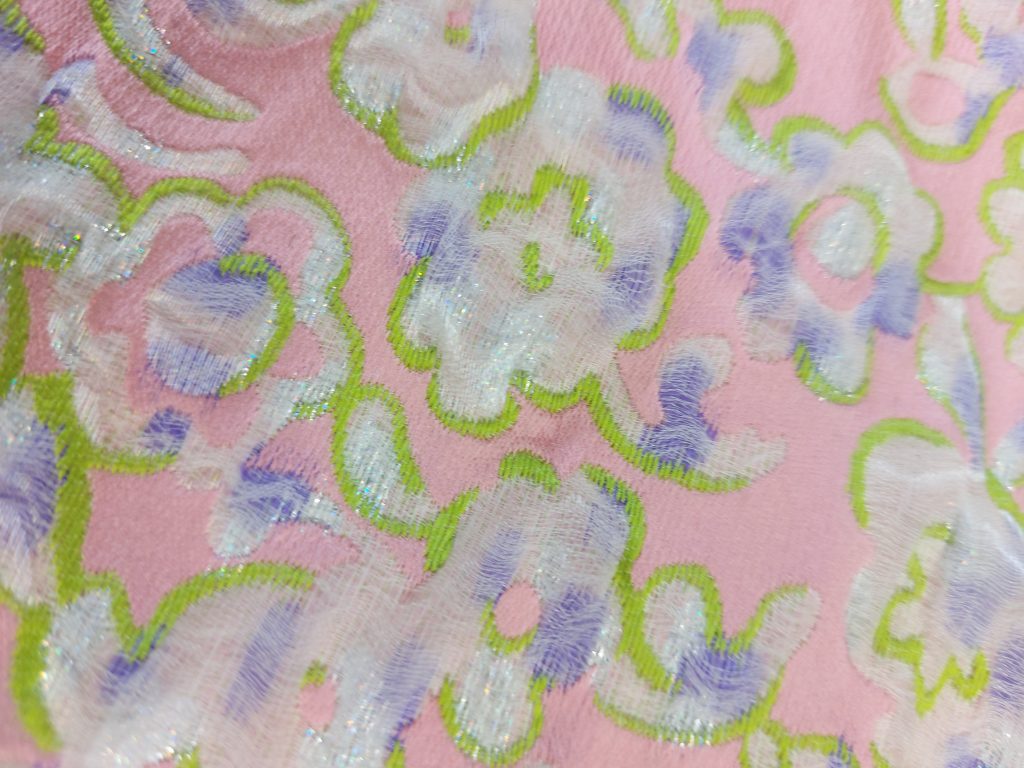
Italian textile know-how for luxury pre-collection sourcing at BLOSSOM Paris
The Lombardy Textile District as a luxury supply chain
The Lombardy Textile District is not a generic production area. It is a concentrated ecosystem where complementary textile capabilities coexist within a short geographical radius.
For ARNIA, the district is built around three main poles: Como, Milan and Varese.
Como: silk, jacquard, printing and finishing
Como is internationally associated with silk culture, jacquard weaving, textile design, printing and finishing. Its know-how is particularly relevant when luxury brands need refined surfaces, complex color work, printed silk, jacquards, novelty textiles and special finishing.
For a “Wild Matter” direction, Como’s textile culture is valuable because it can transform natural inspiration into sophisticated surfaces: light, shadow, botanical abstraction, mineral tones, fluid prints, textured jacquards and expressive finishing.
Internal link suggestions:
Varese, Busto Arsizio and Gallarate: cotton, weaving, embroidery and industrial know-how
Varese, Busto Arsizio and Gallarate represent another essential part of the Lombardy textile ecosystem. This area brings together cotton culture, weaving, dyeing, finishing, embroidery and industrial coordination.
This matters because luxury is not only about appearance. A beautiful textile surface must also be reliable. It must be tested through touch, use, construction, finishing, dimensional behavior and repeatability.
For “Wild Matter”, this part of the district can support more structured interpretations of nature: cotton bases, viscose blends, embroidery, eyelet embroidery, embossed effects, tactile surfaces, dyeing and finishing routes.
Internal link suggestions:
Milan: design, product culture, prototyping and garment development
Milan connects textile development with fashion product culture. It is where design direction, collection strategy, prototyping, pattern-making logic and garment development become part of the conversation.
This is important because a fabric is never isolated from the garment it will become.
A plissé behaves differently from a plain woven.
A fil coupé requires specific handling.
A devoré may need careful construction decisions.
An embroidery changes weight, cost and placement logic.
A jacquard may define the whole silhouette.
Through Milan’s fashion culture and ARNIA’s local network, textile sourcing can be connected to capsule development, prototype evaluation and, where technically coherent, Cut & Sew Services.
This is why the Lombardy Textile District matters: it allows a brand to move from inspiration to fabric, and from fabric to product, through a short and technically coherent supply chain.
Read more: The Lombardy Textile District of Excellence
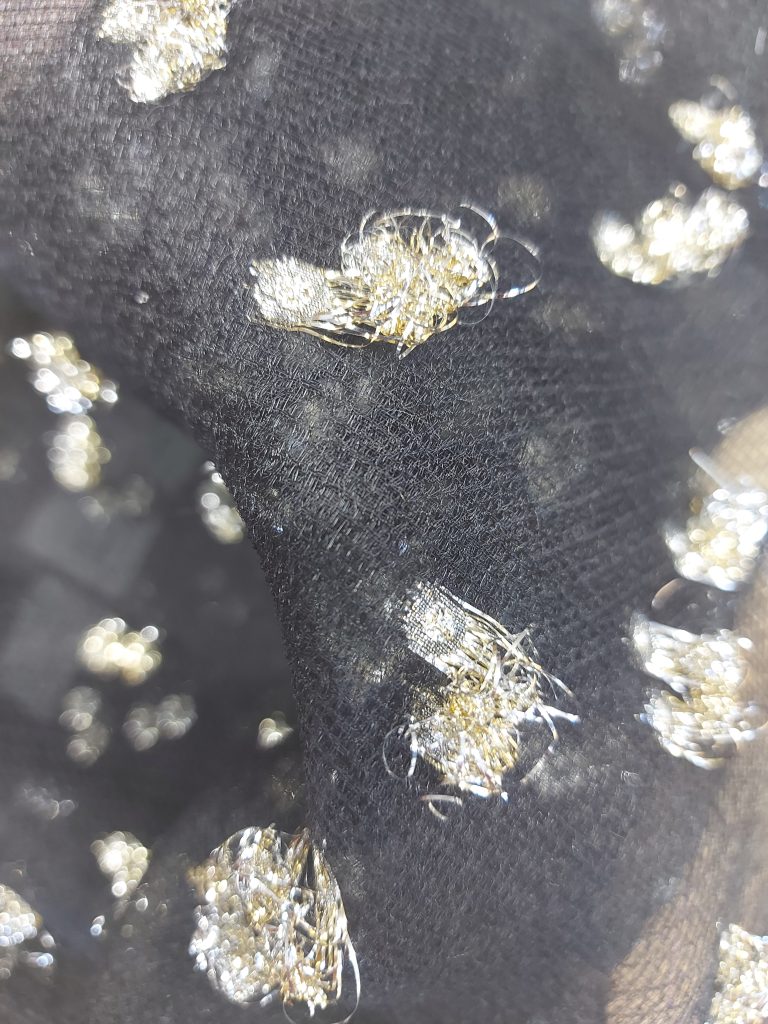
Italian textile know-how for luxury pre-collection sourcing at BLOSSOM Paris
Why luxury brands need a district, not only a supplier
A supplier can sell a fabric.
A district can support a development path.
For luxury and premium brands, the difference is decisive. A pre-collection fabric is not simply purchased; it is evaluated, adapted, tested, coordinated and finally integrated into the collection plan.
This is especially true for creative materials such as jacquard, fil coupé, devoré, embroidery, plissé and printed surfaces. These fabrics may involve several technical steps: yarn choice, weaving, dyeing, printing, finishing, embroidery, stabilization, cutting behavior, care requirements and quality control.
The Lombardy Textile District offers a strategic advantage because many of these competences are located close to one another. ARNIA’s own district narrative describes this short-radius ecosystem as a way to connect concept, fabric and garment within a concentrated industrial area.
For a buyer, this means fewer blind spots.
For a designer, it means richer textile possibilities.
For a sourcing manager, it means better control of timing, quality and documentation.
For a brand director, it means stronger reputational protection.
This is one of the reasons why ARNIA positions itself as a B2B textile partner, not as a price-driven intermediary.
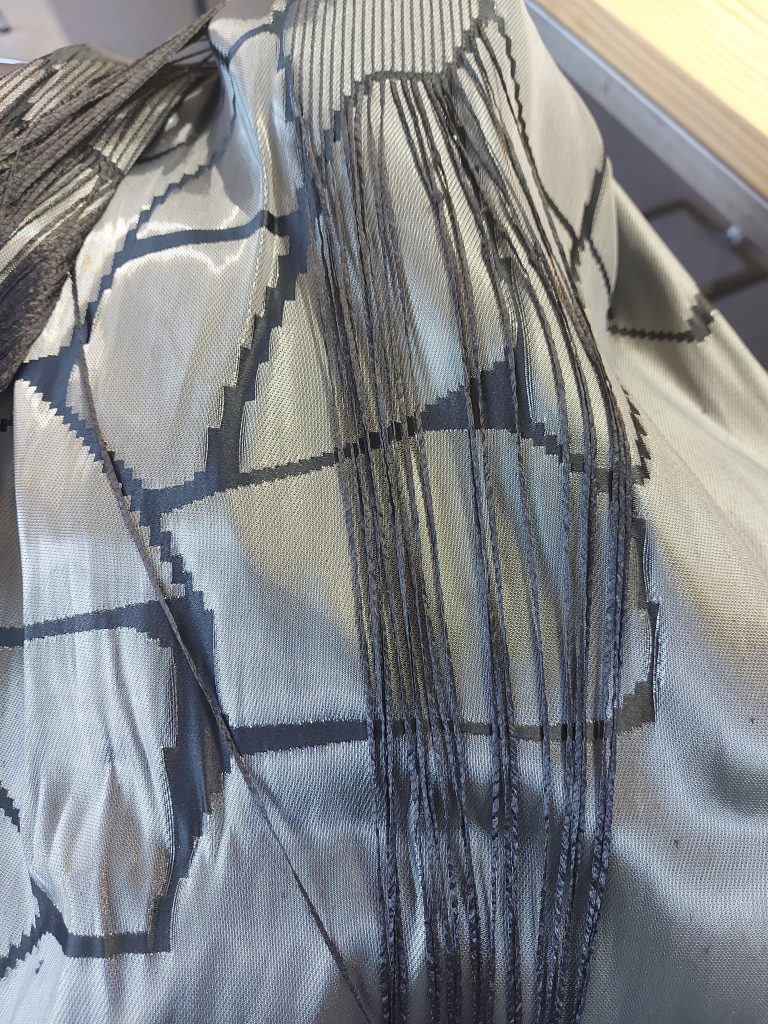
Made in Italy luxury fabric surface inspired by Wild Matter textile trend
How “Wild Matter” can become a textile development brief
A useful sourcing brief should not stop at visual inspiration. It should translate the creative direction into technical questions.
For a BLOSSOM Paris Wild Matter project, a buyer or design team can prepare the brief around five dimensions.
1. Surface language
Is the collection looking for organic texture, mineral depth, botanical movement, raw tactility, luminous softness or structured relief?
This helps define whether the route should involve jacquard, embroidery, devoré, fil coupé, plissé, print or a special finish.
2. Intended garment
A luxury surface must be evaluated in relation to the final product. A fabric for a dress, top, coat, skirt, robe, kimono, loungewear piece or capsule project may require very different technical decisions.
3. Handfeel and drape
“Natural” can mean dry, soft, fluid, compact, crisp, irregular, grainy, raised or transparent. The more precise the handfeel expectation, the more effective the sourcing meeting becomes.
4. Color direction
Wild Matter suggests a palette connected to nature and innovation. For development, however, color must become precise: light level, contrast, ground tone, print effect, yarn-dyed direction, piece-dyed option or finishing route.
5. Responsible sourcing pathway
Responsible luxury requires evidence. If a project needs certified or certifiable materials, the discussion must include product type, lot, quantity, documentation, chain of custody and admissible claims.
ARNIA’s Sustainability Practical Guide explains why sustainability claims must be handled carefully and why a certified fabric does not automatically make a finished garment certified. This anti-greenwashing approach is essential for brands that want to protect reputation while building a more responsible supply chain.
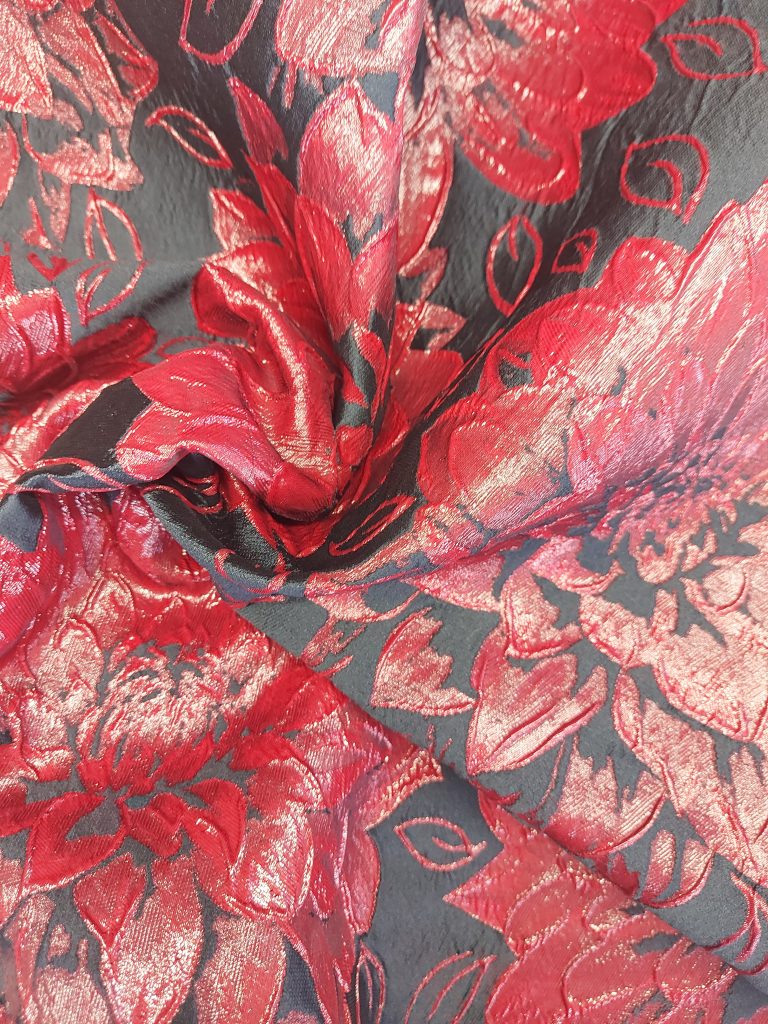
Lombardy Textile District Como Milan Varese luxury supply chain
ARNIA’s interpretation: Made in Italy surfaces with responsibility
At BLOSSOM Paris, ARNIA brings a textile proposal rooted in the Lombardy Textile District and shaped by a clear idea of responsible luxury.
The goal is not to present fabric as decoration. The goal is to present fabric as a strategic material choice.
ARNIA’s range can include:
- jacquards;
- gobelins;
- fil coupé;
- devoré and burnout effects;
- embroidery;
- embossed embroidery;
- eyelet embroidery;
- plissé;
- prints;
- fancy surfaces;
- selected plain base cloths;
- stock-supported fabrics;
- sustainable and certifiable textile pathways;
- sourcing and development support for capsule collections.
The official ARNIA BLOSSOM page presents pre-collections, jacquards, prints, plissé, fil coupé, embroidery, eco-certified fabrics and customizable stock-supported bases as part of the range shown at the fair.
Explore more:
- Innovative Textile Collections
- Fabric Sourcing
- Fabrics Stock Supported
- Sustainability
- Cut & Sew Services
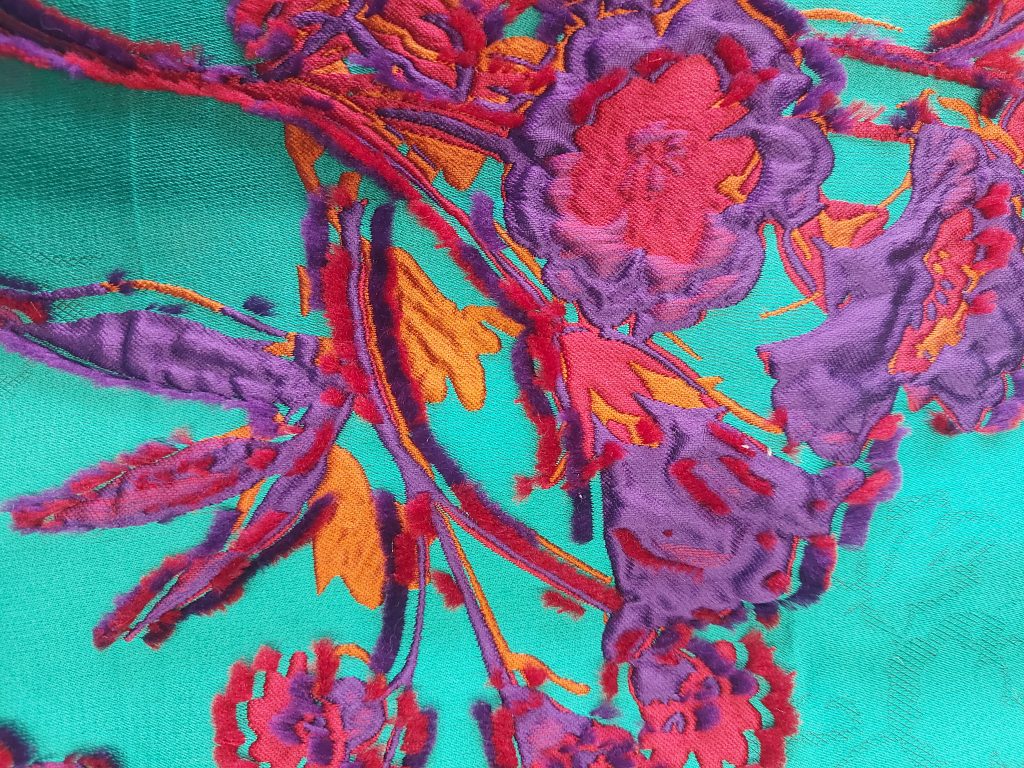
BLOSSOM Paris Wild Matter Lombardy Textile District luxury textile sourcing by ARNIA
The textile converter as the missing link between creativity and production
In luxury sourcing, one of the most underestimated roles is the textile converter.
A converter does not simply resell fabric. A textile converter coordinates decisions: base cloth, yarn, finishing, printing, embroidery, dyeing, surface effect, quality control, traceability and delivery logic.
This role is especially important when the collection direction is complex. “Wild Matter” may inspire a moodboard, but without technical translation it remains an image. The converter helps convert that image into a material route.
For ARNIA TEXTILE FASHION, this means supporting brands through:
- textile research;
- fabric sourcing;
- material matching;
- custom development;
- sustainable options;
- stock-supported base selection;
- technical validation;
- documentation awareness;
- capsule development support when relevant.
This is why a meeting at BLOSSOM Paris should not be treated as a generic fabric appointment. It should be a focused conversation about what the brand wants to build, what is technically feasible and what route can protect both creativity and reliability.
Related reading:
- 48Hour Fabric Shortlist
- Textile Project Manager
- Just a Quote Is Not Enough
- Protecting Know-How and Fashion Legality
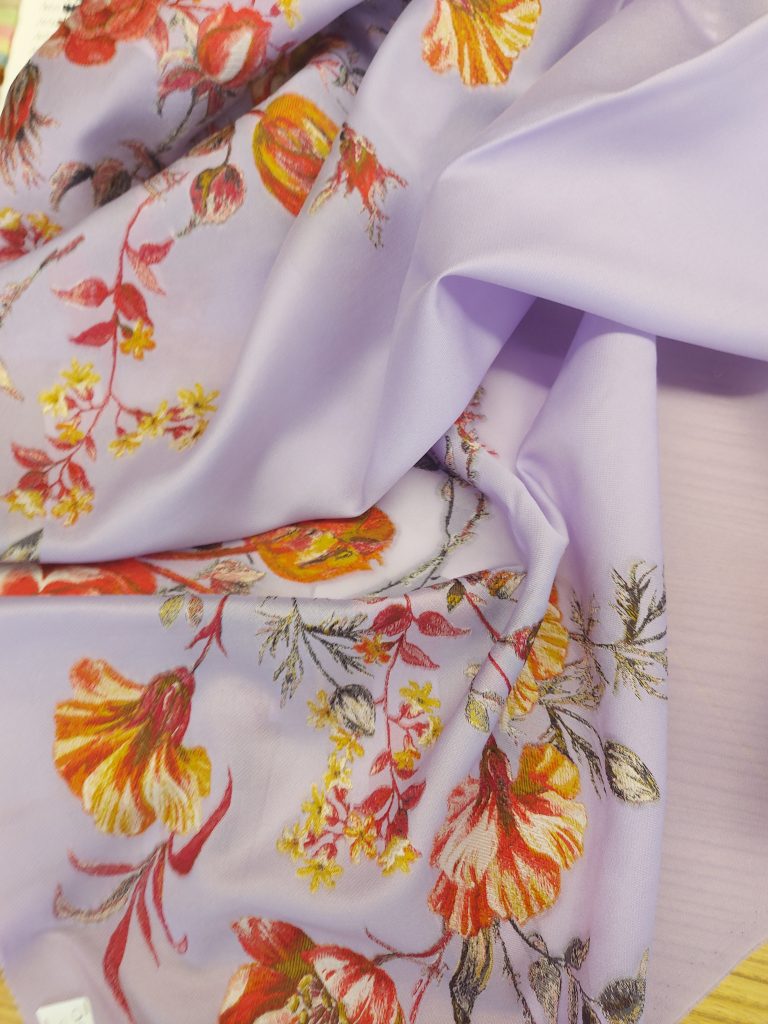
Lombardy Textile District Como Milan Varese luxury supply chain
Why BLOSSOM Paris is the right place for this conversation
BLOSSOM Première Vision is valuable because it happens at the beginning of the sourcing cycle. It is where buyers and design teams can still influence direction before development becomes urgent.
For a luxury brand, early sourcing is not a minor advantage. It can determine whether a collection has enough time for:
- textile research;
- material testing;
- color development;
- prototype evaluation;
- sourcing alternatives;
- sustainability documentation;
- MOQ alignment;
- garment feasibility;
- supplier relationship building.
The June 2026 edition also welcomes garment makers for the first time, broadening the fair’s scope from materials to finished products and highlighting the transformation of matter from early stages to final piece.
This shift is very relevant for ARNIA because textile selection and garment development are connected. A fabric choice affects construction, fit, cost, quality, care and communication.
A luxury pre-collection should not start with the question “Which fabric is available?”
It should start with a better question:
Which material direction can become a real, responsible and desirable product?
What buyers and design teams should discuss with ARNIA at BLOSSOM Paris
A productive BLOSSOM meeting with ARNIA can focus on four areas.
Material direction
Which luxury surfaces fit the collection concept?
Which textures express the brand’s seasonal identity?
Which materials translate nature into a distinctive textile language?
Sourcing route
Should the project start from an existing ARNIA textile collection, a stock-supported base, a custom development, a print, a jacquard, an embroidery or a certified pathway?
Technical feasibility
Can the selected material work for the intended garment?
Does the handfeel match the silhouette?
Are the finishing, construction and care requirements coherent?
Responsible communication
What can the brand claim?
What requires documentation?
What depends on chain of custody?
How can the brand avoid greenwashing while still communicating real value?
These questions help transform a fair meeting into a practical development roadmap.
From Wild Matter to responsible luxury
The beauty of “Wild Matter” lies in its tension: nature and innovation, surface and structure, emotion and discipline, gesture and industrial reliability.
This is also the space where ARNIA works.
For ARNIA, Made in Italy is not only a label of origin. It is a way of connecting textile culture, district expertise, responsible sourcing, traceability and social inclusion.
The Lombardy Textile District gives the technical foundation.
BLOSSOM Paris gives the international luxury context.
Wild Matter gives the seasonal inspiration.
ARNIA connects these elements into a textile sourcing method.
For brands that want to build pre-collections with more depth, this is the real opportunity: not only to discover new fabrics, but to start a conversation about how materials become product, story and responsibility.
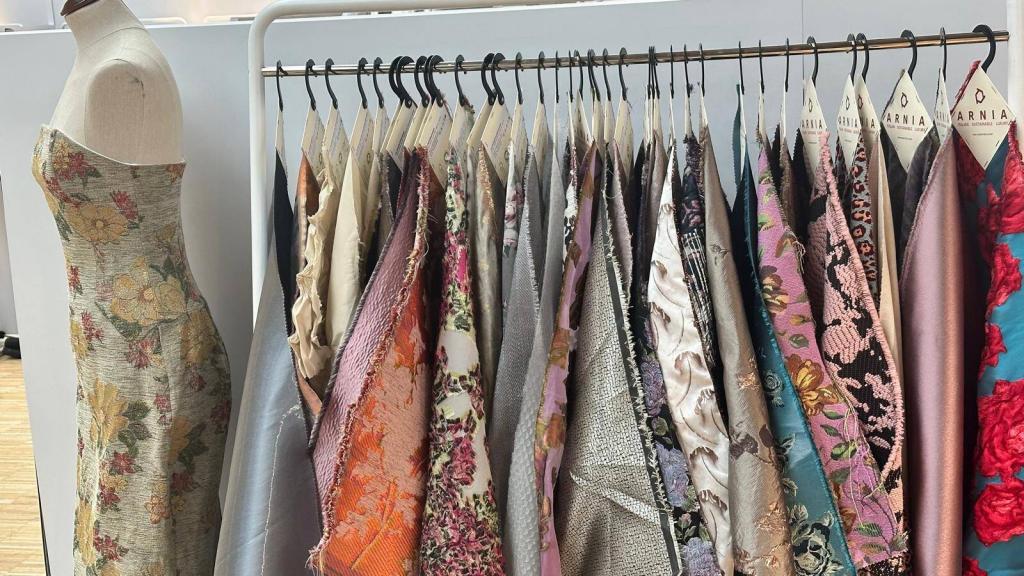
ARNIA TEXTILE BLOSSOM luxuty pre-collection sourcing
Meet ARNIA at BLOSSOM Paris
If you are attending BLOSSOM Paris and your team is working on luxury pre-collection fabrics, Wild Matter-inspired surfaces, Italian textile sourcing or responsible material development, ARNIA would be pleased to meet you.
Bring your moodboard, reference swatches, product category, quantity range, target handfeel and any sustainability or certification requirement.
Together, we can review your material direction and identify the most realistic next step: textile collection selection, fabric sourcing, stock-supported base, custom development, sustainable pathway or capsule development roadmap.
Book a meeting with ARNIA at BLOSSOM Paris
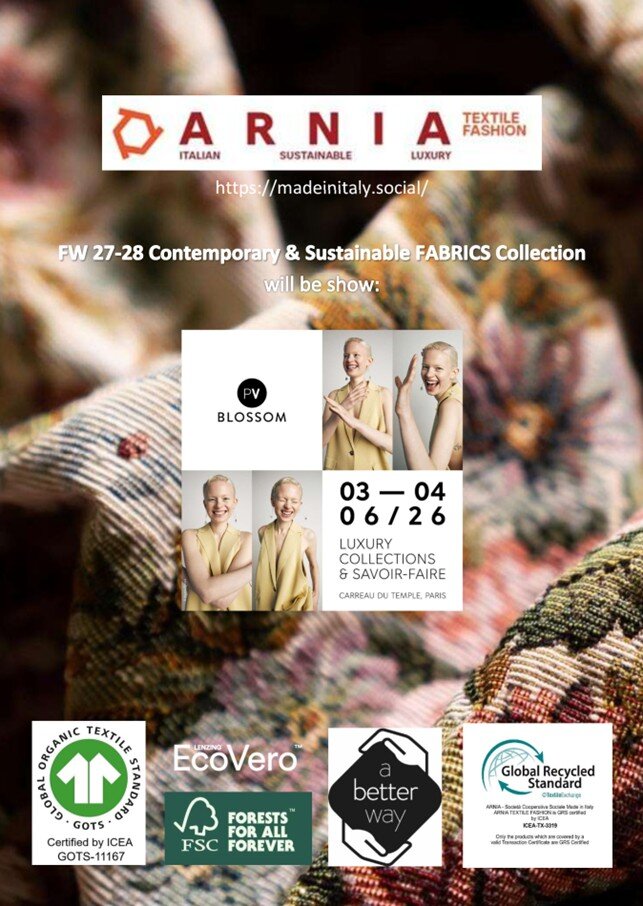
FAQ
What is BLOSSOM Première Vision Paris?
BLOSSOM Première Vision Paris is an exclusive event dedicated to the launch of pre-collections for creative, luxury and high-end fashion brands. The June 2026 edition takes place on 3 & 4 June 2026 at the Carreau du Temple in Paris.
What is “Wild Matter” at BLOSSOM Paris?
“Wild Matter” is the AW 27-28 color and material direction presented at BLOSSOM Paris. It focuses on the force of nature, organic nuances, pigmented greys, sophisticated brights, material movement, gesture, creation and savoir-faire.
Why is the Lombardy Textile District important for luxury textile sourcing?
The Lombardy Textile District connects complementary textile competences across Como, Milan and Varese. This short-radius ecosystem supports luxury brands with silk, jacquard, printing, embroidery, cotton, finishing, prototyping and garment development know-how.
How does ARNIA translate nature into luxury textile surfaces?
ARNIA translates natural inspiration into textile surfaces through Italian techniques such as jacquard, fil coupé, devoré, embroidery, plissé, prints, special finishes and selected base cloths. The process combines creative interpretation with technical feasibility, sourcing logic and supply-chain coordination.
Why should buyers discuss fabric sourcing early in the pre-collection phase?
Early fabric sourcing helps buyers and design teams define material direction before the collection calendar becomes too compressed. It also allows time to evaluate handfeel, construction, MOQ, sustainability requirements, documentation, color development and production feasibility.
Can ARNIA support custom textile development?
Yes. ARNIA can support fabric sourcing and custom textile development starting from a reference swatch, sketch, photo, moodboard or creative brief. Development is assessed according to material, technique, quantity, timing and technical feasibility.
Read more: Fabric Sourcing
Does ARNIA offer sustainable textile options?
ARNIA supports sustainable and certifiable textile pathways, subject to article, lot, quantity, standard and chain-of-custody requirements. Sustainability claims must be supported by documentation and communicated carefully to avoid greenwashing.
Read more: Sustainability Practical Guide
What should I prepare before meeting ARNIA at BLOSSOM Paris?
Prepare a moodboard, reference swatches, target garment category, preferred handfeel, color direction, expected quantity range, launch timing and any sustainability or certification requirements. This allows the meeting to focus on realistic sourcing routes and development priorities.
Can ARNIA support both fabric and garment development?
ARNIA’s core is textile development and sourcing. When technically coherent, ARNIA can also assess Cut & Sew and capsule collection support through its local Lombardy network, subject to garment type, construction, fabric validation and prototype review.
Read more: Cut & Sew Services
Where can I meet ARNIA at BLOSSOM Paris?
You can visit ARNIA’s dedicated fair page and request a meeting for BLOSSOM Paris here:


